Coworking spaces can be more than shared desks and Wi-Fi. They can also help people find balance, focus, and support.
Stress management workshops give you practical tools to handle pressure, improve your well-being, and work more effectively in a shared environment.
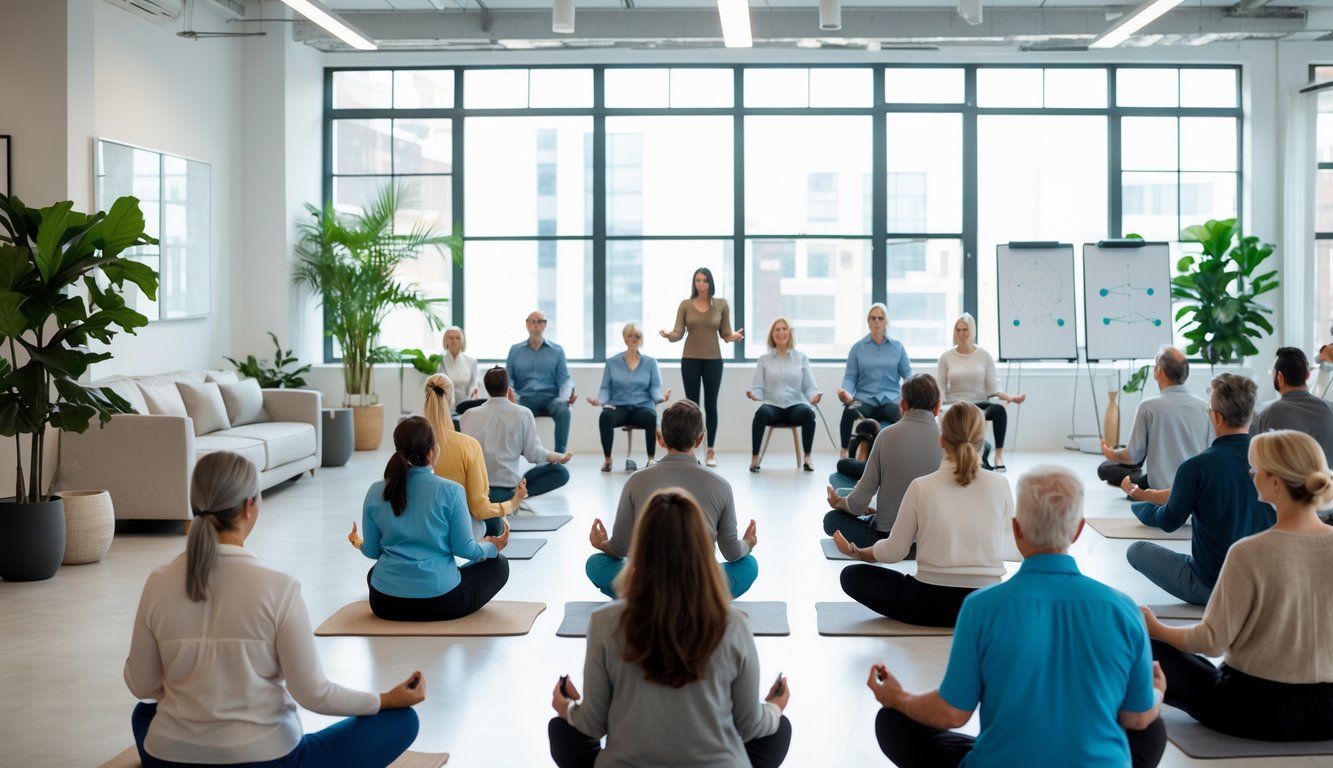
When you spend hours in a coworking space, stress from deadlines, noise, and constant interaction can build up. Structured programs like workplace stress management workshops help create an environment that supports productivity and mental health.
These workshops show how to manage stress, why it matters, and how it can improve coworking communities. Small changes can help people thrive in shared workspaces.
What Are Stress Management Workshops in Coworking Spaces?
Many coworking spaces now mix professional work areas with wellness programs. They often offer structured sessions that teach practical ways to handle stress.
These workshops blend relaxation techniques with skills for better focus and time management.
Defining Stress Management Workshops
Trained facilitators lead stress management workshops and guide people through methods to reduce and cope with stress.
They cover topics like identifying stress triggers, practicing breathing exercises, and setting healthy work boundaries. Some also include guided mindfulness or short physical activities.
In coworking spaces, facilitators design these sessions for groups. They encourage interaction, which helps members share experiences and learn from each other.
The main goal is to give people tools they can use every day to stay calm and productive. These workshops follow a structured plan and are led by someone with expertise in stress reduction.
Unique Aspects in Coworking Environments
Coworking spaces have a different energy from traditional offices. People from various industries, schedules, and work styles come together.
This variety can be exciting but also stressful. Workshops in these settings often focus on flexibility.
Sessions might be short enough to fit between meetings or tailored to remote workers who visit a few days a week. Many spaces use quiet rooms or lounge areas to create a relaxed atmosphere.
Some combine workshops with wellness amenities like yoga or meditation corners. Because coworking spaces value community, workshops often double as networking opportunities.
Members connect over shared challenges, making stress feel more manageable.
Types of Workshops Offered
Coworking spaces offer a range of stress management options. Here are a few common types:
- Mindfulness and Meditation Sessions – Teach focus and calm through guided practice.
- Time Management and Productivity Classes – Help reduce stress by organizing work more effectively.
- Physical Wellness Activities – Such as yoga or stretching to release tension.
- Resilience and Coping Skills Training – Build mental strength for handling setbacks.
Some spaces, like those described in How Co-Working Spaces Support Mental Well-Being and Alleviate Work Stress, integrate stress workshops into broader wellness programs. This makes it easy for members to access support in one place.
Key Benefits of Hosting Stress Management Workshops
Wellness initiatives can make a big difference in a shared workspace. When people have tools to handle stress, they tend to work better and feel healthier.
Enhancing Mental Well-Being
Stress management workshops teach practical ways to handle pressure. People learn techniques like deep breathing, mindfulness, and time management that they can use at their desks.
Constant activity and noise in coworking spaces can hurt mental well-being. Teaching members how to recognize early signs of stress helps them act before burnout sets in.
Group activities build social support. Feeling connected to others in the space can reduce isolation and improve mood.
According to BetterYou, ongoing stress reduction programs help maintain these benefits.
Boosting Productivity and Focus
When people manage their stress, they can focus more easily and get tasks done faster. Stress makes it hard to concentrate and leads to mistakes.
Workshops provide tools to clear the mind and set priorities. For example, short focus exercises or simple scheduling methods can help avoid overload.
Distractions are common in a coworking environment. Teaching mindful work breaks helps members return to tasks with more energy and clarity.
As Corporate Wellness Magazine notes, this can lead to higher team productivity.
Reducing Healthcare Costs
Stress can cause health problems like headaches, poor sleep, and high blood pressure. Over time, these issues can increase healthcare costs for individuals and organizations.
Regular workshops help members lower their risk of stress-related illness. This can mean fewer doctor visits and less reliance on medication.
For businesses that help cover healthcare, this can translate into real savings. As Find the Middle Path points out, reducing burnout and stress can directly impact medical expenses.
Core Components of Effective Workshops

Effective workshops give people tools they can use right away. They teach simple skills for spotting stress, calming the body, organizing time, and connecting with others.
Stress Identification Techniques
Workshops help people notice early signs of stress. This can be physical, like tense shoulders or headaches, or emotional, like irritability.
Facilitators use stress checklists so everyone can track patterns. For example, participants rate their daily stress on a scale from 1 to 10.
Short reflection exercises help, too. Writing down events and feelings for five minutes can reveal hidden stress sources.
Recognizing these signs early makes it easier to respond before stress builds.
Mindfulness and Deep Breathing Exercises
Mindfulness helps people stay present and reduce mental clutter. Sessions often begin with a two-minute focus on breathing to settle the mind.
Deep breathing exercises are simple and effective. One method is box breathing: inhale for 4 seconds, hold for 4, exhale for 4, and hold for 4 again.
Pairing breathing with guided mindfulness prompts, like noticing the feel of the chair or the sound of the room, can help. These practices can be done anywhere, even during a busy workday.
Time Management Skills Training
Poor time management often leads to extra stress. Workshops show people how to break tasks into smaller steps and set realistic deadlines.
Tools like priority matrices help sort work into urgent, important, and low-priority categories. This avoids overload and helps focus energy.
Setting time blocks for focused work and short breaks keeps productivity steady. In coworking spaces, these skills help balance collaboration and personal workflow.
Interactive Group Activities
Workshops include activities that bring people together while practicing stress relief skills. Group discussions let participants share what works for them.
Small team challenges, like building a quick plan for a fictional stressful project, help apply time management and communication skills. Partner exercises for mindfulness, such as guiding each other through a short breathing routine, build trust.
These interactive moments create a stronger support network within the coworking space.
Stress reduction workshops often combine group activities with individual practice to make learning more engaging.
Addressing Mental Health in Coworking Spaces

A healthy work environment is about more than just a desk and Wi-Fi. It means noticing when someone is struggling, setting boundaries between work and personal time, and making professional help easy to access.
Recognizing Signs of Depression and Anxiety
In coworking spaces, people sometimes work long hours without breaks. Over time, this can lead to depression or anxiety.
Changes like withdrawal from conversations, missed deadlines, or a sudden drop in energy can be warning signs. Small check-ins, like asking “How are you doing with your workload?” can help someone open up.
Some spaces run workshops on identifying mental health concerns. Places like Karma Workspaces show how these programs help members spot early warning signs.
By recognizing these signs, facilitators can suggest resources or encourage someone to take a break before things get worse.
Supporting Work-Life Balance
When I work in a shared space, my day often stretches into the evening. Without boundaries, work-life balance disappears, and stress builds.
I set fixed work hours and stick to them. This habit helps me maintain balance and manage my stress.
Some coworking spaces design their schedules and layouts to help. They might offer quiet zones for focused work and social areas for breaks.
This separation makes it easier for me to mentally “clock out” at the end of the day. I find it helpful to have distinct spaces for work and relaxation.
Spaces that focus on balance, like those described in Allwork.Space, often include wellness activities such as yoga or mindfulness sessions. These activities help me reset my mind and return to work with more focus.
Access to Consulting Services
I appreciate coworking spaces that provide consulting services. These services might include on-site mental health professionals, scheduled counseling sessions, or partnerships with local therapists.
Some spaces, like those featured on Coworking Spaces Worldwide, offer quiet rooms for private conversations and regular workshops on stress management and emotional well-being.
Having these services nearby makes it easier for me to seek help without disrupting my workday. I notice that seeing other members use these resources reduces any stigma.
Knowing these resources exist gives me peace of mind. The workspace feels more supportive as a result.
Implementing Stress Management Workshops Successfully

I focus on making stress management workshops practical and engaging. I make sure every session fits the needs of the people attending and is led by someone with the right skills.
I use clear ways to track the impact of each workshop. This helps ensure the sessions are effective and relevant.
Customizing Workshops for Diverse Teams
I start by learning about the team’s work style and stress triggers. I also find out which learning formats they prefer.
A remote team might need short online sessions. An in-person group could benefit from hands-on activities.
I consider cultural differences and job roles. For example, customer service teams may focus on communication under pressure, while developers might need strategies for long periods of focused work.
I tailor content by adjusting examples to match daily tasks. I offer multiple learning formats like discussion, role-play, and guided relaxation.
Including real workplace scenarios helps participants see how the strategies apply to their work. This approach keeps the workshop relevant and useful.
Selecting Qualified Facilitators
I choose facilitators who have both stress management expertise and experience with varied groups. A good facilitator knows evidence-based techniques like breathing exercises, time management, and cognitive reframing.
I value strong communication skills. The best facilitators explain complex ideas in simple terms and adjust their approach based on feedback.
When possible, I work with providers who have a track record in workplace wellness. I make sure the facilitator’s style matches the team’s culture.
A casual, interactive approach works well in creative environments. Structured sessions may suit corporate teams better.
Measuring Workshop Impact
I track the success of a workshop by using feedback and measurable results. Before the session, I ask participants to rate their stress levels and workplace challenges.
I repeat this after the workshop to see changes. I also monitor productivity, engagement, and attendance in the weeks after.
Some providers offer pre- and post-workshop assessments that make tracking easier. To keep improvements going, I schedule follow-up check-ins or short refresher sessions.
This helps reinforce skills and ensures the wellness initiatives continue to benefit the team.
Long-Term Impact on Coworking Communities
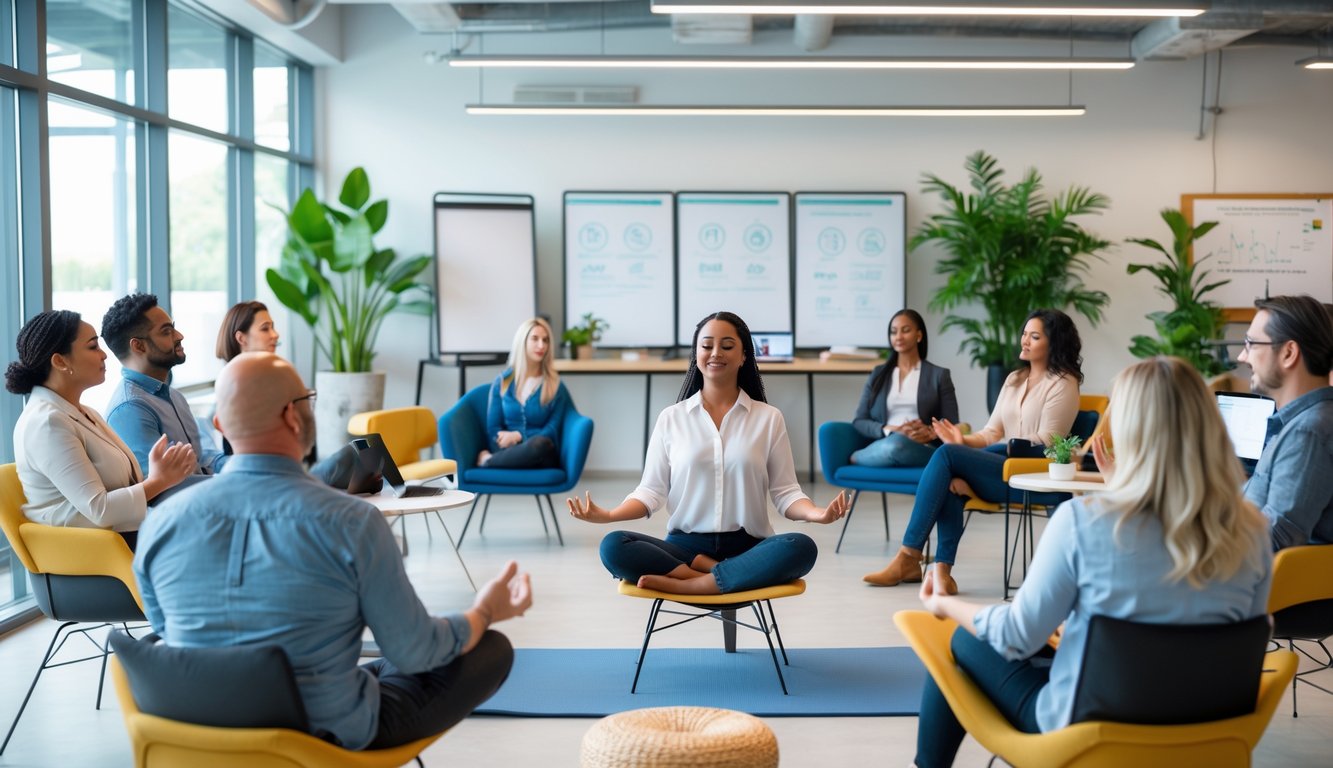
When stress management workshops become a regular part of a coworking space, they help people connect and take care of themselves over time. These workshops shape how members interact and support each other.
Fostering a Supportive Environment
When I join a coworking space that offers wellness initiatives like guided meditation or group stress relief sessions, I feel more connected to the people around me. These shared experiences create natural opportunities to talk and build trust.
A supportive environment often grows when members see each other as allies rather than competitors. This sense of community makes it easier to ask for help or share challenges without fear of judgment.
Some spaces design their layouts to encourage interaction. Open lounges and casual seating areas make it simple to have quick check-ins after a workshop.
This physical setup supports the emotional connections that form during stress management activities. Over time, these bonds reduce feelings of isolation and make the workspace feel like a safe place to work and recharge.
Encouraging Ongoing Wellness Programs
A one-time workshop helps, but ongoing programs have a bigger impact on mental well-being. Regular sessions—like monthly mindfulness classes or weekly yoga—make wellness a consistent part of my routine.
Coworking spaces that run long-term wellness initiatives often see higher member satisfaction. I have stayed longer in spaces that invest in these programs because they show they care about my health, not just my rent.
Some spaces partner with local professionals to offer rotating topics, such as resilience training or time management for stress reduction. This variety keeps members engaged and ensures the programs stay relevant to our needs.