I’ve seen the right wellness programs completely change the atmosphere in a coworking space.
When you offer services that support both physical and mental well-being, you create a healthier, more productive community.
From simple ergonomic upgrades to guided mindfulness sessions, every choice you make can help people feel more balanced during their workday.
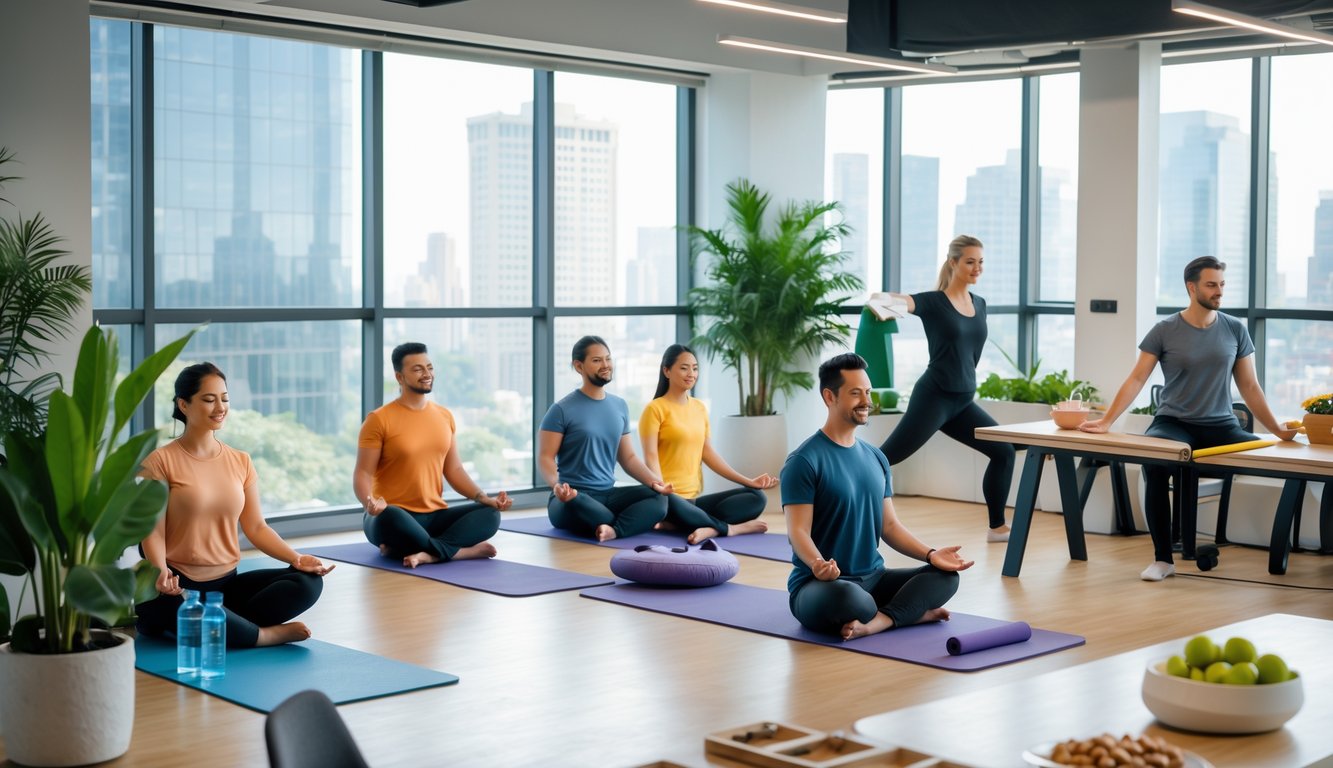
I focus on practical ideas that work, not just trends.
I think about what makes daily tasks easier, what encourages movement, and what helps reduce stress.
Adding features like yoga classes and meditation rooms or designing spaces with natural light and fresh air can make a big difference without feeling forced.
My goal is to share ways to create an environment where people can work effectively and still take care of themselves.
Whether it’s a quiet zone for focus, a wellness event that builds community, or healthy snacks to keep energy steady, the right mix can help your space stand out.
Understanding Wellness Programs in Coworking Spaces
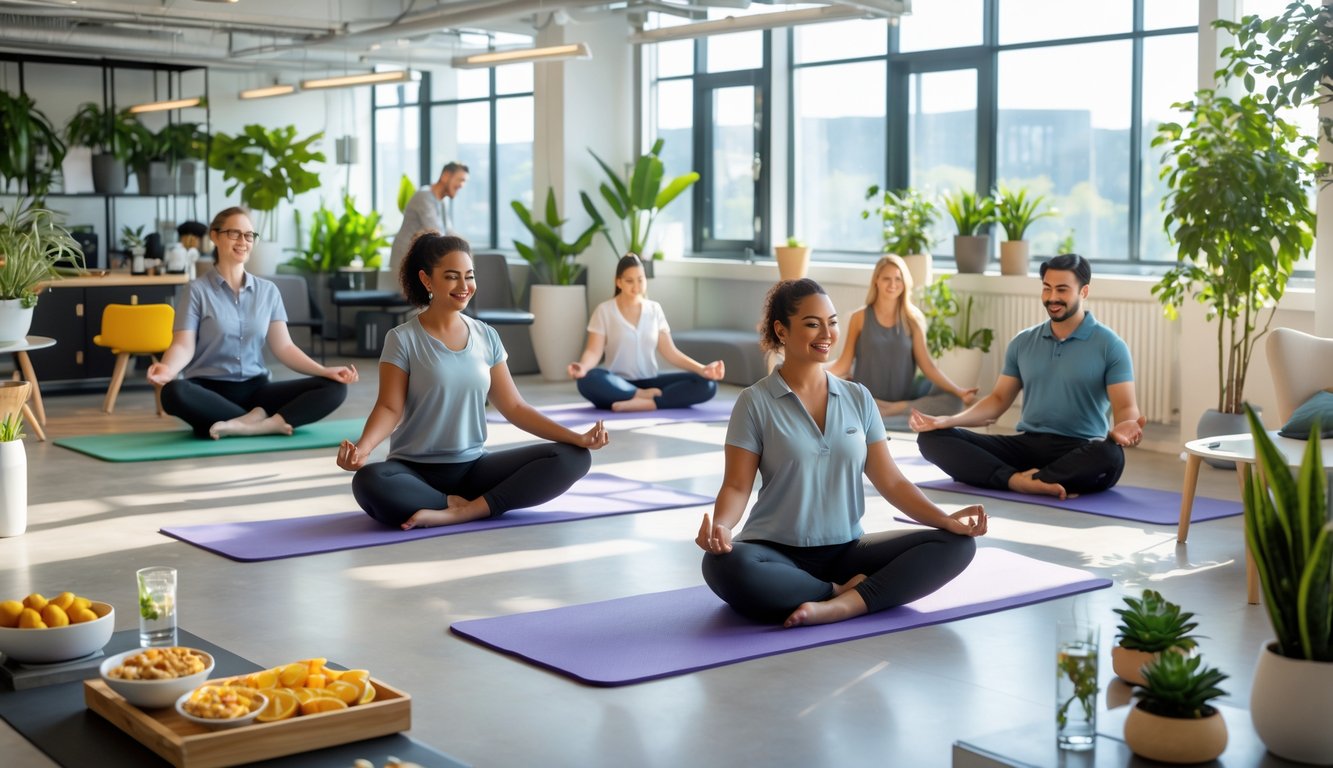
I see more coworking spaces adding wellness programs because they help people stay healthy, reduce stress, and work more productively.
These programs include fitness classes, mental health support, and spaces designed to encourage relaxation and focus.
Defining Workplace Wellness
When I talk about workplace wellness, I mean activities, services, and policies that support health at work.
In a coworking space, this can range from ergonomic furniture to guided meditation sessions.
Some spaces create wellness zones with quiet rooms, standing desks, or natural lighting.
Others offer on-site yoga or healthy snack options.
I’ve also seen wellness programs include:
- Fitness access like gyms or rooftop workout areas
- Mindfulness activities such as meditation or breathing exercises
- Nutritional support with fresh food options
These steps turn the workspace into more than just a place to sit.
They help members work without sacrificing their well-being.
The Importance of Wellness Initiatives
I believe wellness initiatives matter because they affect how people feel and perform at work.
Long hours in front of a screen can lead to fatigue, stress, and health problems.
When coworking spaces add wellness programs, they reduce burnout and support better focus.
Wellness-focused coworking spaces often attract members who value health and balance.
These initiatives show that workspace operators care about members as people.
That sense of care can improve retention and encourage positive word-of-mouth.
Even small changes, like adjustable desks or quiet areas, can improve the workday.
Benefits for Coworking Communities
Wellness programs benefit not just individuals but the entire coworking community.
When members feel healthier and less stressed, they become more engaged and collaborative.
Shared activities like group workouts or mindfulness workshops help members connect.
This can lead to stronger networks and business opportunities.
Insights on coworking wellness programs show that these initiatives make a workspace more competitive.
A well-planned program can turn a coworking space into a place where people want to spend time.
Core Wellness Offerings to Include
I focus on activities and amenities that help people stay active, eat well, and feel comfortable during the workday.
These options give members practical ways to improve their health without leaving the coworking space.
Yoga and Flexibility Classes
Yoga works well in coworking spaces because it needs little equipment and suits many fitness levels.
A simple mat and quiet space are enough to start.
Short morning or midday sessions help members reset their posture and reduce stiffness from sitting.
Even 20–30 minutes can make a difference.
Flexibility classes like stretching or mobility training are also valuable.
They can prevent common desk-related aches.
I schedule these in open areas or dedicated wellness rooms for a calm environment.
For variety, I bring in instructors for themed classes such as chair yoga or stress-relief stretching.
This keeps participation high and makes the program feel fresh.
Spaces with natural light and good ventilation create a better experience, much like wellness coworking spaces.
Physical Activity Opportunities
I make sure there are ways for members to move beyond yoga.
This can include small fitness zones with resistance bands, light weights, or stationary bikes.
Walking meetings combine work with light exercise and can be done indoors or outdoors.
Standing desks and balance boards offer low-impact movement during the day.
Some coworking spaces add group activities like lunchtime runs or circuit training.
These boost physical health and build community.
I keep the equipment simple and safe so people of all abilities can join.
Clear signage and short how-to guides help members use the space confidently.
Healthy Snack and Nutrition Options
I stock the kitchen with healthy snack choices members can grab quickly.
Fresh fruit, nuts, yogurt, and whole-grain crackers are easy options.
Providing filtered water and herbal teas encourages hydration without extra sugar.
I label snacks with basic nutrition info so members can make informed choices.
Sometimes, I partner with local vendors to offer fresh salads or healthy meal boxes.
This approach, similar to wellness perks in coworking spaces, makes eating well more convenient.
Workshops on meal planning or simple cooking help members build healthy habits.
I keep these sessions short and practical so they fit into busy schedules.
Designing Relaxation and Mindfulness Spaces
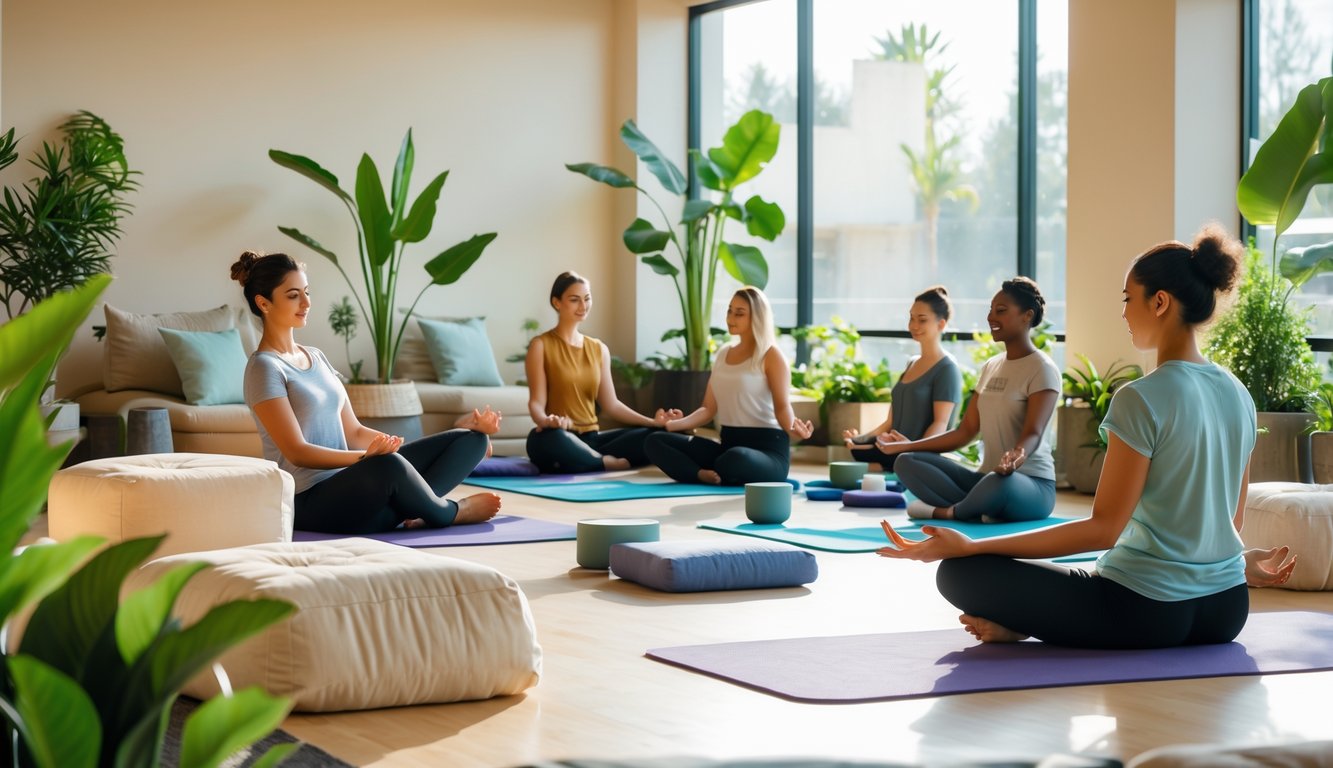
I focus on making spaces that help people slow down and recharge.
This means adding features that reduce noise, provide comfort, and make it easy to step away from screens.
Creating Relaxation Areas
I set up relaxation areas with comfortable seating, soft lighting, and natural elements like plants.
These spaces give members a calm place to rest between tasks.
I add small tables for tea, water, or snacks.
A few shelves with light reading or puzzles make the space inviting.
Here’s what works well:
- Soft chairs or couches with cushions
- Warm, indirect lighting to avoid glare
- Greenery for a touch of nature
- Quiet background music at a low volume
Placing these areas away from busy walkways keeps them peaceful and encourages use.
Integrating Meditation Tools
I make mindfulness easy by adding tools people can use with little setup.
A meditation app on a shared tablet or screen can guide short breathing sessions.
I keep yoga mats and meditation cushions in a small cabinet so anyone can grab them.
This makes it simple for members to take a quick mental break.
For guided audio, I provide noise-canceling headphones.
They block out distractions and make meditation more effective.
Some spaces add a small wall display with step-by-step breathing exercises.
This encourages people new to mindfulness to give it a try.
Quiet Zones for Focus
I design quiet zones for members who need concentration.
These areas have soundproofing or soft wall panels to reduce noise.
I post clear signs to remind others to keep voices low.
Providing headphones for personal use also helps block out background sounds.
Furniture in these zones is simple—desks with comfortable chairs and good task lighting.
I avoid clutter so the space feels open and calm.
When people have access to a dedicated quiet area, they finish deep work faster and with less stress.
For more ideas, I look at stress-free workplace design trends that focus on mental wellness.
Promoting Movement and Ergonomics
I make small changes to my day to avoid stiffness and fatigue.
Simple movement habits and a well-arranged workspace help me stay comfortable and reduce strain.
Stretching and Mobility Breaks
I set a timer to remind myself to stand up every 30–60 minutes.
Even short breaks help me loosen my muscles and improve circulation.
Sometimes I keep a yoga mat nearby so I can do a few light stretches on the floor.
This makes it easy to target my back, hips, and shoulders.
Here are a few quick moves I use:
- Neck rolls to release tension.
- Shoulder shrugs to ease stiffness.
- Standing quad stretch for my legs.
I join group stretch sessions in coworking spaces.
These sessions create a friendly way to connect with others while staying active.
Some spaces offer guided mobility breaks or yoga classes during the day.
Having these options makes it easier to stick to the habit.
Ergonomic Workspace Enhancements
I adjust my chair so my feet rest flat on the floor and my knees stay at a 90-degree angle.
My monitor sits at eye level so I don’t hunch forward.
Many coworking spaces provide ergonomic chairs and desks that can be raised or lowered.
Standing desks let me switch positions and avoid sitting for too long.
I use a small cushion for lower back support.
This helps me maintain a neutral spine position.
Some spaces offer ergonomic assessments to fine-tune each workstation.
These adjustments improve comfort and focus.
Even small upgrades like a wrist rest or monitor stand can prevent strain over time.
I’ve found that investing in these tools pays off in both comfort and productivity.
Boosting Employee Productivity Through Wellness
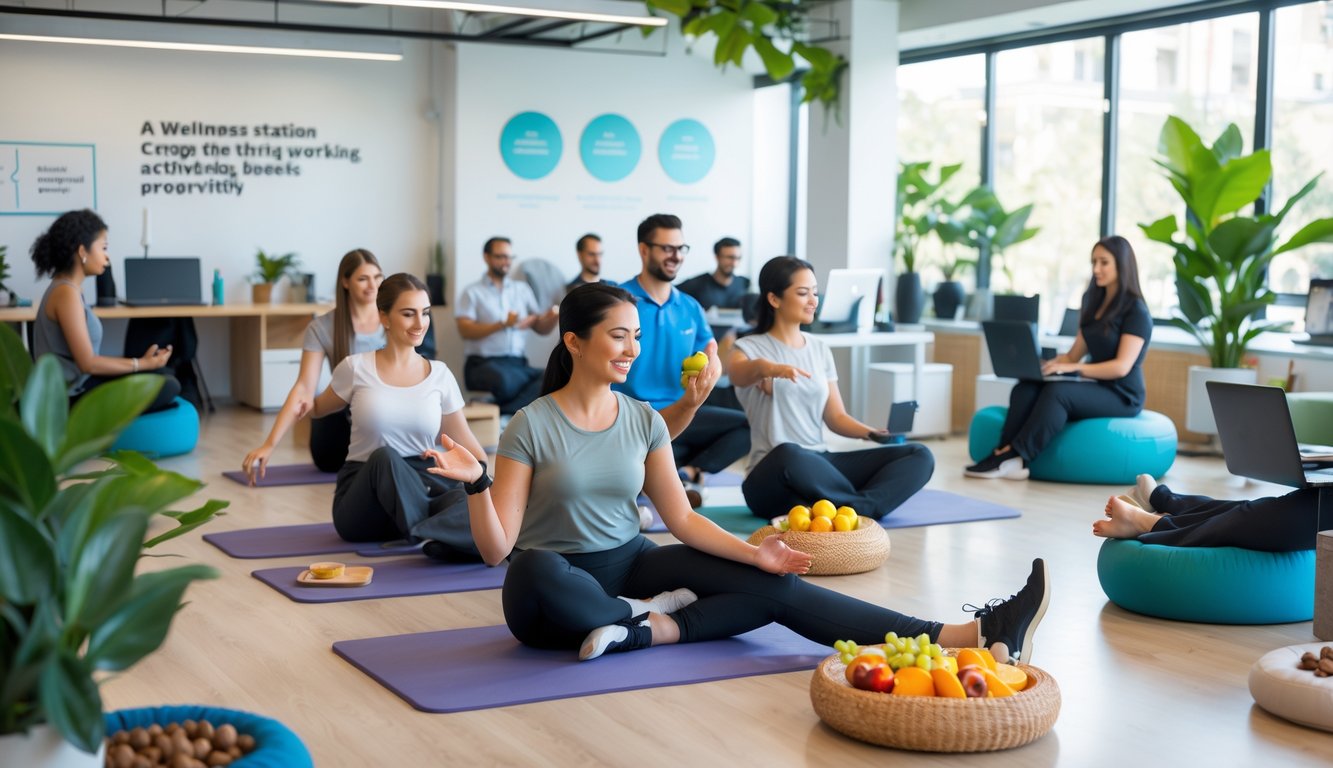
When a workspace supports both physical and mental health, people work with more energy and clarity.
Simple changes like better lighting, quiet zones, and access to movement or relaxation areas make daily tasks feel less draining and more engaging.
Impact on Focus and Creativity
When I use wellness resources, I find it easier to stay focused. Natural light, ergonomic seating, and healthy snacks help me avoid the mid-day slump.
Short activity breaks also help me. Even a 10-minute walk or stretch can reset my mind.
Many coworking spaces now offer fitness rooms, standing desks, and walking meeting areas. These features keep my energy steady throughout the day.
Creativity grows when my mind feels clear. I use spaces with mindfulness workshops and quiet rooms, and they help me think through problems without interruptions.
Environments designed for wellness can improve how fast I solve problems and come up with ideas.
| Wellness Feature | Benefit to Productivity |
|---|---|
| Standing desks | Reduces fatigue |
| Fitness classes | Boosts energy levels |
| Quiet zones | Improves concentration |
Building a Supportive Community
I work better when I feel connected to others. Coworking spaces with group wellness activities like yoga or meditation create chances to meet people.
Shared wellness programs help reduce isolation. For example, I’ve joined weekly walking groups where we talk about projects and get fresh air.
This makes collaboration easier later on. A supportive community encourages me to show up and stay engaged.
Spaces with relaxation lounges, social events, and peer support groups help build trust. These connections can reduce stress and make the workspace feel more inclusive and motivating.
Implementing and Sustaining Wellness Programs
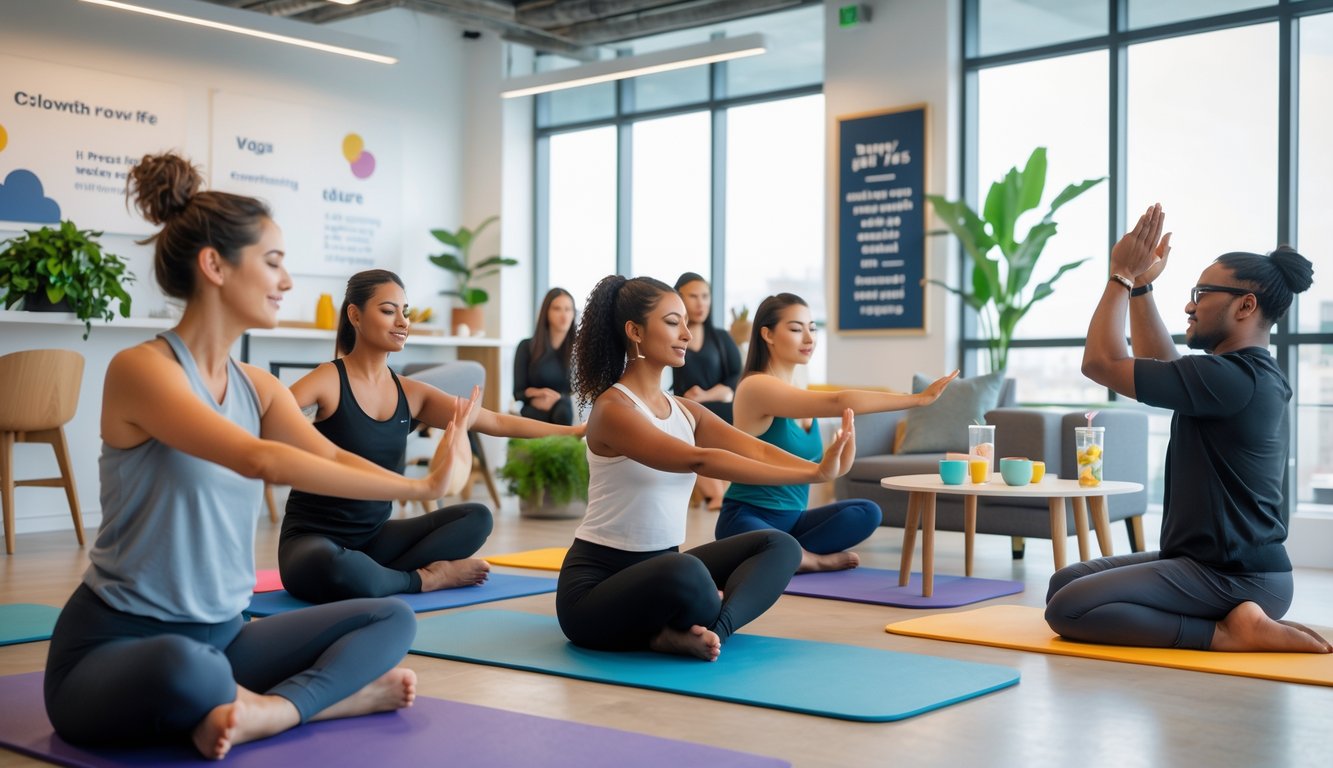
I create wellness programs that fit what people need. I keep them active and effective by tracking results and making changes when needed.
Program Planning and Customization
When I plan a wellness program, I start by asking members what they need most. Surveys, quick polls, and casual talks help me learn their priorities.
I look at the space and resources available. If there’s a small room, I set it up for yoga or meditation instead of large group workouts.
I also adjust the schedule. Some members like early morning classes, while others join during lunch breaks. I keep options flexible so more people can join.
To make the program inclusive, I offer a mix of activities:
- Physical: stretching sessions, walking groups
- Mental: mindfulness breaks, stress management talks
- Nutritional: healthy snack stations, cooking demos
This way, members can choose what works for them.
Engagement and Participation Strategies
People join more often when activities are easy to access and low-pressure. I avoid complicated sign-ups and keep sessions short when possible.
I use friendly reminders. A quick message or a small poster in the lounge helps people remember.
Sometimes I partner with local wellness providers. They bring in new ideas, like chair massages or nutrition Q&A sessions.
I encourage participation with small incentives, such as reusable water bottles or healthy snack vouchers. I also share member stories to show real benefits from joining.
I listen to feedback and adjust the program to keep it relevant.
Measuring Program Success
I track participation numbers to see which activities are most popular. I also collect short feedback forms after events to learn what members enjoyed and what they didn’t.
For ongoing programs, I check in every few months. This helps me spot trends, like a drop in attendance, and make changes early.
I look at indirect results too. Members may report feeling less stressed or more connected to the community.
When the program is part of a larger worksite wellness plan, I share updates with management. This helps them see its value and support future improvements.