When I walk into a coworking space, I notice how language shapes the way people connect. A simple greeting in someone’s native language can open the door to trust and collaboration.
Offering multilingual support helps create an inclusive environment where everyone can share ideas without fear of being misunderstood.
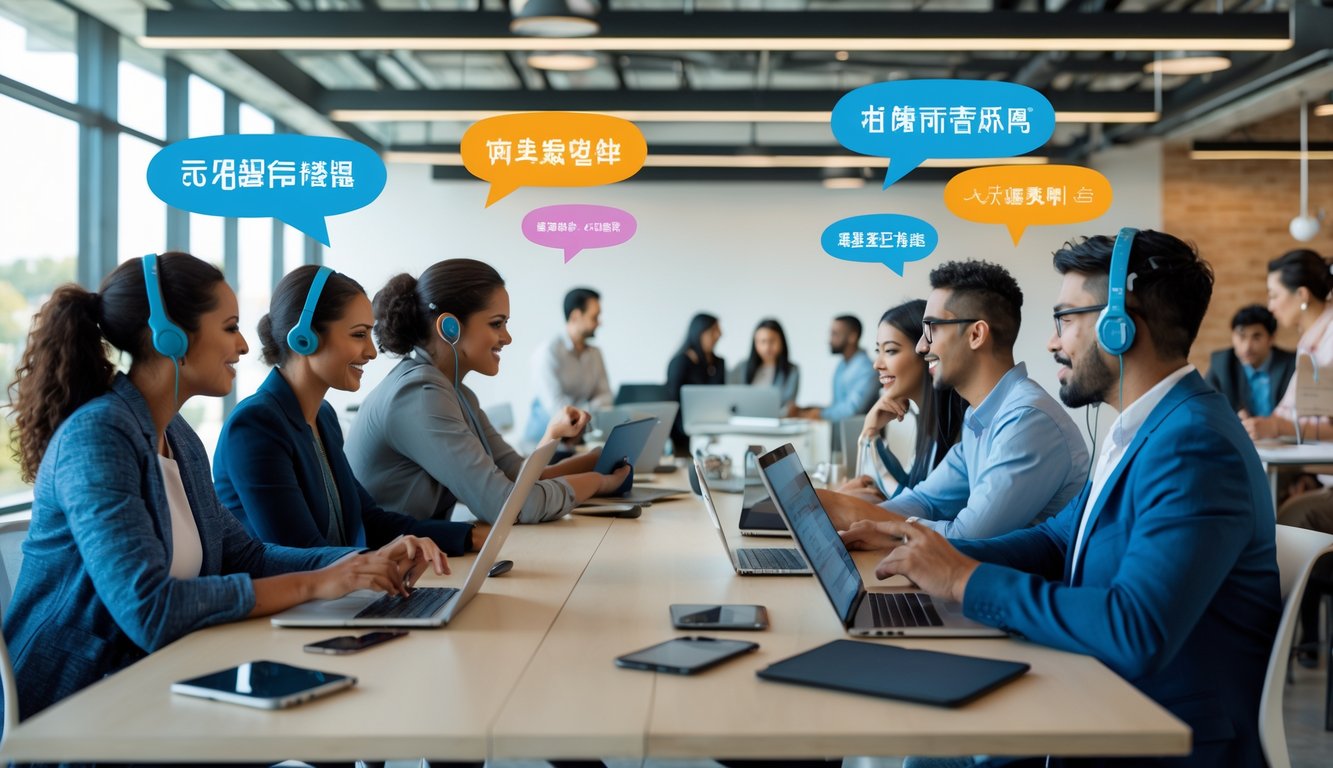
Language barriers can slow down projects and create distance between talented people. With the right tools, clear communication strategies, and some cultural awareness, we can bridge those gaps.
Spaces that encourage multilingual collaboration often see stronger teamwork and more creative problem-solving.
I want to share practical ways to make coworking environments more welcoming for people from different language backgrounds. From addressing communication gaps to using translation resources, you’ll find steps that improve daily interactions.
Understanding Multilingual Support in Coworking Environments

Coworking spaces thrive when people communicate clearly across different languages. Good multilingual support allows members to work together, share ideas, and avoid misunderstandings, regardless of their native tongue.
It also makes the space more welcoming for global teams and traveling professionals.
Definition and Scope
When I talk about multilingual support, I mean the tools, services, and practices that help people work in multiple languages without barriers.
This can include:
- Translation tools (real-time or on-demand)
- Bilingual staff or language specialists
- Multilingual signage and documents
- Language-friendly policies
In coworking environments, the scope goes beyond just translating words. We create systems that respect cultural differences and allow members to interact naturally.
For example, a meeting room booking system might be available in English, Spanish, and French. A welcome guide could explain rules in several languages so no one feels left out.
Importance of Multilingual Support
Without multilingual support, some members may avoid speaking up in meetings or networking events. This can limit collaboration and reduce the value of the coworking community.
Clear communication is essential for teamwork. ProLingo’s tips for multilingual meetings suggest that planning with the right tools and follow-up makes discussions smoother and more inclusive.
People are more likely to keep using a coworking space if they feel understood and respected. Even small changes, like adding multilingual labels to shared kitchen areas, can make daily life easier.
Multilingual support can also attract international startups, remote workers, and freelancers who need a space that fits their language needs.
Role in Modern Coworking Spaces
In today’s coworking environments, multilingual support is a practical necessity. Spaces often host members from several countries at once, and many work on projects with global clients.
Some coworking spaces use collaborative platforms that support multiple languages so members can share documents and chat easily. Others hire community managers who speak two or more languages to help bridge communication gaps.
Spaces also use visual communication—like icons, color codes, and diagrams—so members can understand information quickly. This works well for safety signs, event schedules, and equipment instructions.
By including multilingual support in the space’s design, coworking spaces help everyone focus on their work instead of struggling to be understood.
Language Barriers and Communication Gaps
Even small differences in language use can slow down work, cause misunderstandings, and make people feel left out. Clear communication is not just about speaking the same language; it’s about making sure everyone understands and feels comfortable sharing ideas.
Common Language Challenges
In coworking spaces, people often speak different native languages. Even when we use a shared language like English, different skill levels can create a communication gap.
Idioms, slang, and cultural references can confuse non-native speakers. For example, phrases like “hit the ground running” may not make sense to everyone.
Accent differences can make it harder to understand each other in meetings or casual chats. Written communication brings its own issues—grammar mistakes or unclear wording can cause delays.
Some teams rely on fast-paced discussions or group chats. Without effective communication practices, quieter members or those less confident in the language may struggle to contribute.
Impact on Collaboration and Productivity
Language barriers can slow down collaboration. Projects may take longer because team members hesitate to ask questions or confirm details, leading to rework and missed deadlines.
Misunderstandings can damage trust. If I misinterpret a message, I might deliver the wrong result, which affects the whole team’s workflow.
A lack of clarity can reduce participation in brainstorming sessions. People may avoid speaking up if they fear making mistakes, which limits creativity and problem-solving.
Research on multilingual workplaces shows that language barriers can cause feelings of isolation, which hurt team morale and productivity.
Overcoming Misunderstandings
To reduce misunderstandings, I use simple, direct language and avoid idioms. This helps everyone follow along.
Visual aids such as diagrams, charts, or translated slides can help bridge gaps. Tools like Google Translate or Slack’s built-in translation features are also useful in real-time conversations, as explained in multilingual remote work tips.
I repeat key points at the end of a discussion and confirm understanding. A quick written recap after meetings ensures everyone is on the same page.
Encouraging a culture where asking for clarification is welcome helps prevent small misunderstandings from becoming bigger problems.
Fostering Diversity and Inclusion
I focus on creating spaces where people from different cultures and languages can work together comfortably. This means recognizing cultural differences, supporting multiple languages, and making sure policies encourage fairness and respect.
Cultural Diversity in Coworking Spaces
Cultural diversity is one of the biggest strengths of coworking spaces. People bring different traditions, work styles, and problem-solving approaches.
This mix often leads to fresh ideas and better collaboration.
When I work with members from various backgrounds, I notice that shared spaces become more dynamic. For example, a designer from Japan and a marketer from Brazil may approach the same project in unique ways, leading to richer outcomes.
To make this work, I pay attention to cultural differences in communication styles. Some people value direct feedback, while others prefer a softer approach.
I also make sure that events and networking opportunities include different customs and holidays.
Even small gestures, like displaying multilingual signage, help members feel more welcome, as suggested in promoting language inclusion in multilingual regions.
Benefits of Linguistic Diversity
When members speak different languages, I see more opportunities for global networking. Linguistic diversity allows professionals to connect with clients, partners, and markets they might not reach otherwise.
Having multiple languages represented makes problem-solving stronger. People can share resources and knowledge from their home countries, which adds depth to discussions.
Here are a few benefits I’ve observed:
- Wider client reach for multilingual businesses.
- Better cultural understanding in team projects.
- Access to international resources and market insights.
Multilingual support, like translated documents or bilingual staff, helps reduce misunderstandings. This supports the idea that embracing diversity brings valuable perspectives and skills.
Inclusive Policies and Practices
Policies shape the culture of a coworking space. Clear guidelines on respect, communication, and accessibility set the tone for inclusion.
I make sure policies cover anti-discrimination rules, flexible membership options, and support for underrepresented groups. Offering mentorship or targeted resources, as noted in designing for diversity, can help level the playing field.
Regular feedback sessions let members share concerns and suggest improvements. I also train staff to handle cultural and linguistic differences with sensitivity.
By combining fair policies with everyday inclusive practices, I create an environment where people feel safe to share ideas and work together productively.
Effective Communication Strategies

I focus on clear, respectful, and inclusive exchanges in multilingual coworking spaces. This means choosing the right words, adjusting my tone, and making sure everyone feels comfortable sharing ideas without confusion.
Cross-Cultural Communication Techniques
When I interact with people from different cultures, I avoid slang, idioms, and region-specific phrases. These can confuse non-native speakers.
I use plain language so my meaning is clear.
I also pay attention to nonverbal cues. In some cultures, direct eye contact shows confidence, while in others it may feel aggressive.
I try to read the room and adjust my body language.
To build trust, I learn basic greetings in a coworker’s native language. This small effort shows respect and interest.
I also use visual aids like charts or images to support my points, which helps bridge language barriers.
For more structured tips, I’ve found that these cross-cultural communication strategies can make teamwork smoother and more productive.
Adapting Communication Styles
I adjust my communication style depending on who I’m speaking with. If I know someone is not fluent in English, I speak slower, use shorter sentences, and avoid complex vocabulary.
I check for understanding without making the other person feel tested. For example, I might say, “Does this make sense so far?” instead of “Do you understand?” This keeps the conversation friendly and open.
When I work with remote team members in different time zones, I use collaborative tools that allow for asynchronous communication. Platforms with translation features, like those mentioned in multilingual workplace strategies, help everyone stay on the same page.
Active Listening and Feedback
I give my full attention when someone speaks. I avoid multitasking, keep my phone away, and use open body language.
I use active listening by repeating back key points to confirm understanding. For example, I might say, “So you’re saying we should move the meeting to Monday?”
When I give feedback, I focus on specific actions rather than personal traits. I also invite feedback for myself.
This two-way exchange builds trust and improves communication. In multilingual settings, I sometimes follow up verbal feedback with a short written summary.
This gives people a clear reference and reduces misunderstandings.
Tools and Resources for Multilingual Collaboration

I use a mix of digital tools, structured training, and inclusive platforms to make communication smoother with people who speak different languages. These resources help me avoid misunderstandings and keep projects moving.
They also help everyone feel included in the conversation.
Translation Tools and Technologies
I use translation tools to bridge gaps in understanding during meetings or document sharing. Google Translate helps with quick text translations, while DeepL offers more accurate phrasing for longer content.
For real-time conversations, I use Microsoft Teams with live captions and Zoom’s language interpretation feature. These tools help me follow discussions without constant clarification.
Here’s a quick comparison of popular tools:
| Tool | Best For | Notable Feature |
|---|---|---|
| Google Translate | Quick text | Supports 100+ languages |
| DeepL | Detailed text | Natural-sounding translations |
| Microsoft Teams | Meetings | Live captions in multiple languages |
| Zoom | Webinars/meetings | Built-in interpreter channels |
I also use browser extensions like Mate Translate for instant webpage translations when reviewing online resources.
Language Training Programs
Learning even basic phrases in a teammate’s language can build trust. I use Duolingo for casual learning and Rosetta Stone for more structured lessons.
For workplace-focused training, I choose programs that teach industry-specific vocabulary. This makes my communication more relevant and useful.
Some coworking spaces partner with local language schools to offer discounted group classes.
I set small goals, like learning 10 new words a week. Over time, this builds my confidence and reduces my reliance on translation tools.
Language exchange meetups help too. I join sessions where I practice my target language and help others with English.
It’s a friendly way to learn and network.
Utilizing Multilingual Platforms
I prefer platforms designed for multilingual teams. Tools like Slack and Trello integrate with translation bots, so I can read messages in my preferred language without leaving the app.
Some coworking management systems include built-in multilingual communication features. Members can book rooms, post announcements, and share updates in different languages.
I also use Notion because it supports content in multiple languages within the same workspace. This keeps project documents accessible for everyone.
When I choose a platform, I check if it supports right-to-left scripts, multiple alphabets, and localized date formats. These details make collaboration smoother for all members.
Building a Culturally Sensitive Environment
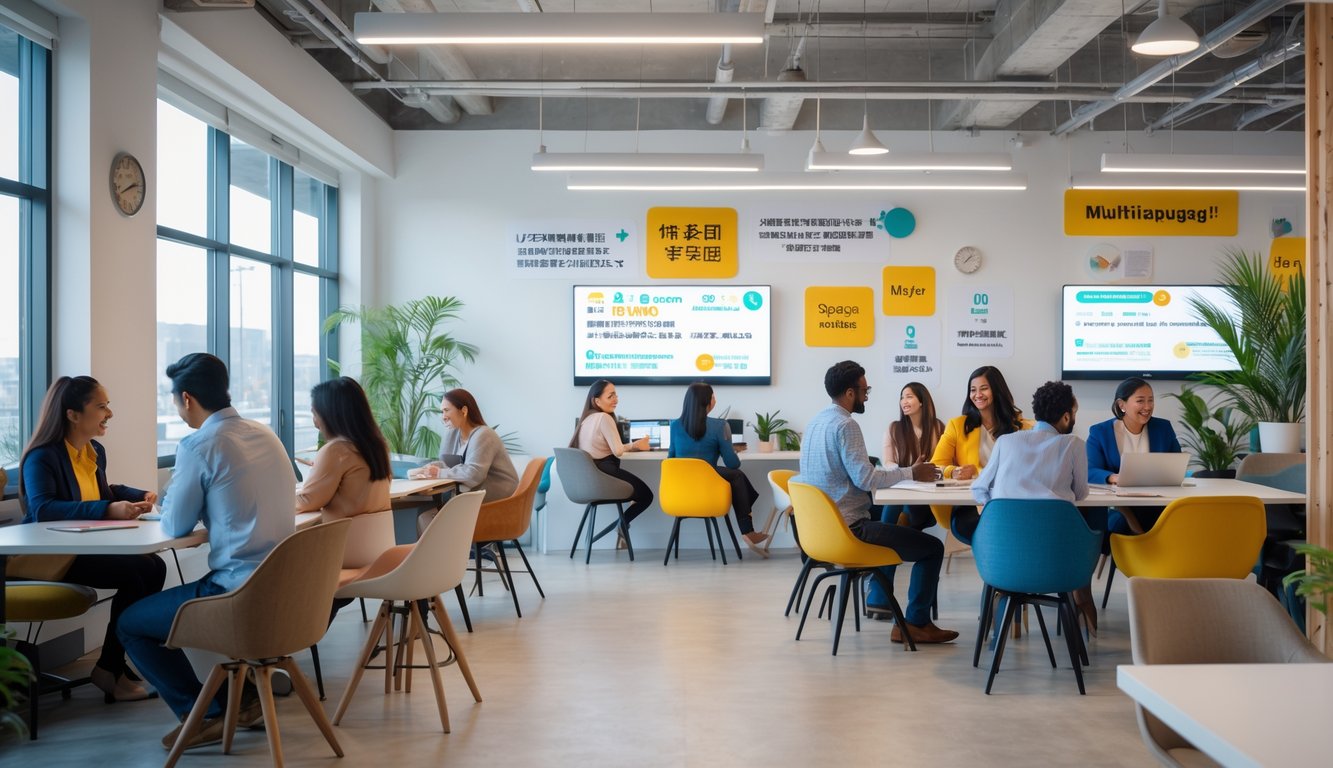
I create spaces where people feel respected and understood, no matter their background. I pay attention to cultural differences, support open communication, and make sure everyone feels welcome in shared work areas.
Encouraging Cultural Sensitivity
I make it a priority to learn about the customs, values, and communication styles of the people I work with. This helps me avoid misunderstandings and show respect for different perspectives.
When I’m unsure about a cultural practice, I ask questions. I listen carefully and avoid making assumptions.
I set clear guidelines for respectful behavior in coworking spaces. These guidelines can include:
- Using inclusive language
- Avoiding stereotypes
- Giving space for different working styles
Celebrating Cultural Events
I recognize important cultural dates and traditions to bring people together. This could mean hosting small events, sharing traditional food, or decorating the workspace for a holiday.
For example, I’ve seen coworking spaces organize potluck lunches where members bring dishes from their own cultures. This shares flavors, stories, and personal experiences.
A simple cultural calendar posted in a common area helps everyone remember upcoming events. It might include:
| Month | Event Example | Country/Region |
|---|---|---|
| February | Lunar New Year | East Asia |
| June | Midsummer Festival | Sweden |
| November | Diwali | India |
By celebrating these moments, I help make the space feel more inclusive.
Mentoring and Support Programs
Mentoring helps people navigate a multicultural work environment. I pair new members with someone who understands both the coworking culture and local customs.
Mentors offer tips on communication styles, workplace etiquette, and local resources. This personal connection reduces the stress that can come with cultural differences.
I support peer learning groups where members share skills, such as language basics or cultural insights. These sessions create a safe space to ask questions and learn.
Enhancing Language Skills in Coworking Spaces

I create an environment where people can communicate clearly and comfortably, no matter their native language. I build teams with strong language skills, offer practical language training, and respect everyone’s abilities.
Recruiting Bilingual Team Members
When I hire for a coworking space, I look for bilingual or multilingual team members. They help bridge communication gaps between members who speak different languages.
I post job listings that clearly state the need for specific language skills. For example, if many members speak Spanish and English, I make sure at least one staff member is fluent in both.
Here’s what I consider when recruiting:
| Priority | Why It Matters |
|---|---|
| Language fluency | Ensures smooth communication with diverse members |
| Cultural awareness | Helps avoid misunderstandings |
| Customer service skills | Keeps interactions friendly and professional |
When I have bilingual staff, I can provide quick help without relying on translation tools for every interaction. This builds trust and makes members feel welcome.
Promoting Language Learning
I encourage members and staff to improve their language skills through ongoing learning. Sometimes I partner with local schools or online platforms to offer discounted language training.
I also set up informal language exchange meetups in the coworking space. For example, I organize lunch-hour sessions where people practice English one day and another language the next.
Digital tools help too. I recommend apps and resources that fit busy schedules. Platforms like FasterCapital’s language support tips offer practical advice for building skills in a professional setting.
This approach keeps language learning flexible and low-pressure. People are more likely to participate.
Recognizing and Valuing Language Skills
I acknowledge when someone’s language skills add value to the community. For example, I thank a member who translates during a meeting.
I also mention a staff member’s bilingual abilities in our newsletter. Sometimes I offer small perks, like free coffee vouchers, to those who help with translation or interpretation.
I keep a simple directory of members’ language abilities. If a project needs someone fluent in French or Mandarin, I know exactly who to connect.
This approach makes collaboration smoother and shows that language skills are a real asset here.