I’ve seen how the right influencer partnership can make a coworking space feel like the place to be. It’s not just about getting more eyes on your space—it’s about connecting with people who already trust the voices they follow.
When you work with influencers who align with your brand, you can attract members who are genuinely interested in joining your community.

I’ll show you how to choose influencers who fit your coworking space’s vibe. I’ll also explain how to create authentic campaigns and use online channels to reach the right audience.
You’ll learn how to turn influencer collaborations into a steady flow of new members and stronger connections.
From understanding what makes a great partnership to measuring long-term results, I’ll share practical steps you can use right away.
If you’ve been wondering how to make influencer marketing work for your space, you’re in the right place.
Understanding Influencer Partnerships for Coworking Space Promotion
I’ve found that working with influencers helps a coworking business connect with the right audience faster. By choosing people whose followers match the target members, I can share the coworking concept in a way that feels natural and trustworthy.
This approach often works better than relying only on ads or generic promotions.
What Are Influencer Partnerships?
An influencer partnership happens when I team up with someone who has an engaged audience to promote my coworking space. The influencer might post photos, videos, or stories that highlight the space, events, or community.
These partnerships might involve direct payment, free memberships, or other perks in exchange for content. The goal is to reach people who trust the influencer’s opinion.
For example, I could work with a local entrepreneur who shares their daily work life. If they post about using my coworking space, their followers see a real-life example of how it fits into a productive routine.
This feels more authentic than a standard ad.
When I choose influencers, I focus on their relevance to my audience rather than just their follower count. A smaller but highly engaged audience often delivers better results.
Benefits for Coworking Spaces
Influencer marketing helps me reach potential members who may not know my coworking space exists. It also gives me a way to show the atmosphere, amenities, and community in a relatable way.
One key benefit is social proof. When an influencer shares a positive experience, people are more likely to believe it because it comes from someone they already follow and trust.
It can also be cost-effective. Instead of spending heavily on ads, I can offer a free month of membership in exchange for multiple posts.
Some influencers help with events. For example, hosting a workshop with them can bring their followers into my space, giving me a chance to convert them into members.
Types of Influencers Relevant to Coworking
Not all influencers work the same way, so I choose based on my coworking business goals. Common types include:
| Type | Follower Range | Best For |
|---|---|---|
| Nano | 1k–10k | Tight-knit local communities |
| Micro | 10k–50k | Niche audiences with high engagement |
| Macro | 50k–500k | Broad awareness campaigns |
| Industry Experts | Varies | Professional credibility and B2B outreach |
For a coworking space, nano and micro influencers often work best because they usually have strong connections with local or niche audiences.
I also look for creators in fields like freelancing, entrepreneurship, remote work, and design. Their followers are more likely to be interested in the coworking concept and may be actively looking for a space like mine.
Identifying the Right Influencers for Your Coworking Space
I focus on the people who can connect my coworking space with the right audience. This means looking at who they reach, where they are active, and how genuine their interactions are with followers.
Defining Your Target Audience
I start by asking who I want to reach. My space may appeal to freelancers, remote workers, startups, or small businesses.
Each group has different needs. For example, freelancers often value flexible desk options, while startups may care about meeting rooms and networking events.
Knowing these differences helps me choose influencers whose followers share those interests.
I also look at location. A coworking space works best when I promote it to people nearby.
If I’m in Austin, I focus on influencers with a strong local presence, even if they have fewer followers than a national figure.
Demographics matter too. I note the age range, job type, and industries of my ideal members.
This way, I can match them with influencers who already speak to that audience naturally.
Finding Influencers on Key Platforms
I search for influencers where my audience spends time. LinkedIn is great for reaching professionals and promoting entrepreneurship-focused events.
Instagram works well for visual content showing the space and community vibe.
Facebook helps me connect with local groups and small business owners. TikTok reaches younger entrepreneurs and remote workers who enjoy short, engaging videos.
I use platform search tools, hashtags, and local business tags to find relevant accounts. For example, searching “#AustinStartups” on Instagram or “coworking” on LinkedIn can reveal potential partners.
Sometimes I also check curated lists like top coworking influencers to discover people already active in this niche. This saves time and helps me find proven voices in the industry.
Assessing Influencer Authenticity and Engagement
I don’t just look at follower counts. I check how many people like, comment, or share their posts.
A smaller influencer with a loyal following often drives more real interest than someone with a large but passive audience.
I read through comments to see if followers interact in meaningful ways. Questions, personal stories, and genuine feedback are good signs.
I also look at the influencer’s past partnerships. If they’ve worked with other local businesses or coworking spaces, I can see how they presented the brand and what results they achieved.
Finally, I make sure their values align with mine. An influencer who supports entrepreneurship and community building is more likely to represent my coworking space in an authentic way.
Developing Effective Influencer Partnership Strategies

I build partnerships that give both sides clear value. Every step should connect to real marketing strategies that help coworking space operators grow brand awareness and strengthen community building.
Setting Clear Goals and KPIs
I start by defining what success looks like. For example, I might aim to increase membership sign-ups by 15% in three months or grow my email list by 500 new subscribers.
I choose KPIs that match my goals, such as:
| Goal | KPI Example |
|---|---|
| Boost brand awareness | Social media reach and impressions |
| Drive sign-ups | Conversion rate from influencer content |
| Build community | Number of event RSVPs from campaigns |
I also set timelines so I can measure progress. This helps me and the influencer stay focused and accountable.
When I track results, I use analytics tools to see what’s working and adjust quickly.
Crafting Compelling Collaboration Offers
I make my offers appealing by showing the influencer how working with me benefits them. That could mean free coworking memberships, event space use, or a revenue share from new member sign-ups they help bring in.
I outline exactly what I expect from them—such as posting two Instagram reels, hosting a workshop, or sharing a behind-the-scenes tour of the workspace.
I also look for ways to make the content engaging. For example, I might suggest a “day in the life” video filmed at my space or an interview with current members.
By keeping the offer clear and valuable, I make it easier for influencers to say yes and deliver quality work.
Aligning Brand Values and Messaging
I only partner with influencers whose values match mine. If my coworking space promotes sustainability, I look for influencers who already share eco-friendly content.
I review their past posts to check tone, style, and audience fit. This prevents mismatched messaging that could confuse potential members.
When we agree to work together, I share my brand guidelines. This includes preferred hashtags, key talking points, and visual style.
By aligning values and messaging from the start, I ensure the partnership feels authentic and builds trust with my community.
Executing Influencer Campaigns for Maximum Impact

I focus on making influencer campaigns both relatable and results-driven. I do this by sharing authentic stories, showing real experiences, and creating offers that motivate people to visit and engage with the coworking space.
Content Creation and Storytelling
When I work with influencers, I ask them to create content that feels natural to their style. This can include short-form videos, Instagram Stories, or blog posts that highlight the space’s atmosphere.
I encourage them to show real work sessions, coffee breaks, and community interactions. This makes the content more believable and helps potential members imagine themselves here.
I often use video marketing because it captures the energy of the space better than photos alone. A quick tour video or a “day in the life” clip can make a strong impression.
I also make sure influencers include small but important details—like quiet zones, meeting rooms, or free coffee—because those features often matter most to freelancers and remote workers.
Leveraging Social Proof and Member Testimonials
I ask influencers to feature current members in their content. This adds social proof and makes the campaign more trustworthy.
For example, an influencer might interview a designer who says they found new clients through our networking events. Or they could film a member explaining how the space helped them stay productive.
I sometimes pair these testimonials with short written quotes for social media captions. It’s a simple way to reinforce the message across multiple platforms.
When possible, I highlight group activities like wine tastings, hackathons, or charity events. These moments show that the space is about more than just desks—it’s about community engagement.
Promoting Events and Special Offers
I partner with influencers to promote specific events, such as live events, free coworking days, or member discounts. Their followers get a clear reason to visit.
For example, an influencer might post a countdown to a free coworking day. They can share what attendees will experience, like free snacks or a trial of premium meeting rooms.
I also ask influencers to share special offers as personal recommendations instead of ads.
Here are examples of offers I’ve promoted through influencers:
| Offer Type | Example | Goal |
|---|---|---|
| Free Trial Day | Free coworking day on Fridays | Increase walk-ins |
| Event Discount | 20% off networking event tickets | Boost attendance |
| Limited Bundle | 3-month membership with free meeting hours | Encourage long-term sign-ups |
I use authentic content and clear calls to action to drive interest and results.
Maximizing Digital Marketing Channels with Influencers

I collaborate with influencers to reach people where they spend time online. By combining their audience with targeted online advertising and strong search visibility, I can attract more coworking members.
Social Media Campaigns and Hashtags
I ask influencers to create content that fits their style and my brand. This keeps posts authentic and encourages more engagement.
I plan campaign-specific hashtags that are short, memorable, and unique. This helps people follow the conversation and find related posts easily.
To boost reach, I ask influencers to post across platforms like Instagram, LinkedIn, and TikTok. I track engagement rates, clicks, and comments to see which platform works best.
I use tools to monitor hashtag performance and adjust campaigns if interest drops. This keeps the conversation active and relevant.
Paid Advertising Integration
I combine influencer content with paid ads to target specific audiences. For example, I might turn a popular Instagram video into a Facebook Ads campaign for people within 10 miles of my coworking space.
I use Google Ads to show influencer-created landing pages to people searching for “coworking space near me.” This keeps the message consistent from ad to website.
I set clear budgets and test different ad formats, such as carousel ads or short video clips. I also use retargeting to reach people who interacted with influencer posts but haven’t signed up yet.
Blending organic influencer reach with paid targeting ensures the right people see the right message at the right time.
Optimizing Online Presence and SEO
Influencer campaigns perform better when my online presence is strong. I update my Google Business Profile with photos, hours, and reviews so people find accurate details.
I focus on local SEO by using keywords related to my location and services. Influencer blog posts or videos that link back to my site help improve search rankings.
When influencers tag my business in posts, they create more backlinks and brand mentions. This makes it easier for potential members to find me through Google searches.
I check analytics regularly to see which influencer collaborations bring the most website traffic and inquiries. This helps me refine my strategy for future campaigns.
Measuring Success and Sustaining Influencer Relationships
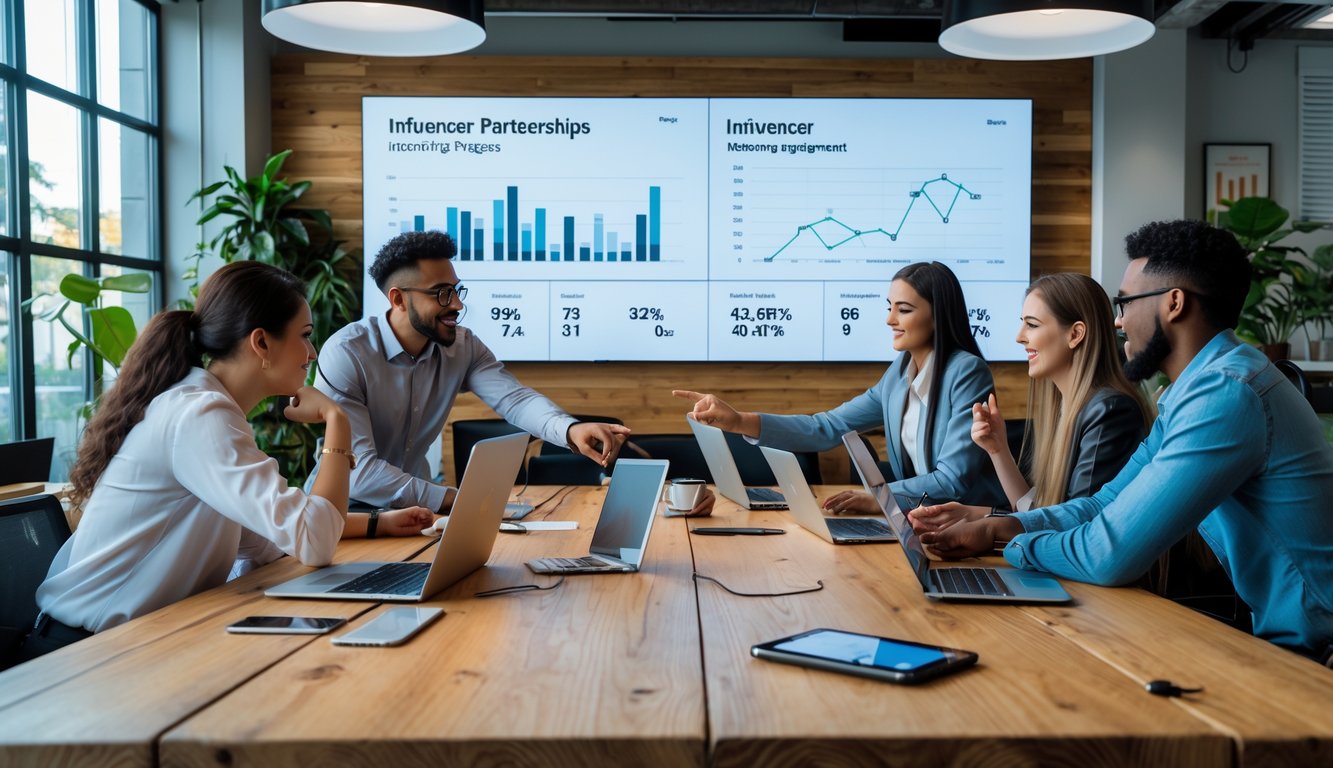
I rely on clear data, honest feedback, and consistent communication to evaluate my influencer collaborations. This helps me build strong partnerships that benefit both my coworking space and the creators.
Tracking Campaign Performance
I focus on numbers that show real results, not just likes or followers. For example, I track website visits, tour sign-ups, and new memberships from influencer links or codes.
I use trackable links and promo codes to connect each action to a specific influencer. Tools like AspireIQ or Upfluence help me see detailed reports.
I compare performance with my goals. If I want to promote a new flexible workspace plan, I measure how many people ask about it or book it after seeing a post.
I also track engagement rates—comments, shares, and saves—because they show interest in my coworking community even if someone doesn’t sign up right away.
Gathering Feedback and Insights
I ask influencers to share feedback on how their audience responded. They often share comments, questions, or direct messages they received.
I collect feedback from new members who found me through an influencer. I ask what content caught their attention and why they decided to visit.
To improve, I review both the numbers and the stories behind them. If a post about remote work tips gets more sign-ups than a tour video, I adjust my content plan.
Sometimes I run short surveys or polls in my coworking space or online. This helps me learn if my training courses, community events, or flexible workspace options reach the right audience.
Building Long-Term Partnerships
I don’t treat influencer work as a one-time campaign. I aim to build trust so we can create more content together over time.
This approach makes the promotion feel genuine. It also supports word-of-mouth marketing.
I keep in touch between campaigns. I share updates about my coworking community or upcoming events they might enjoy.
Sometimes, I tell them about new amenities. I also invite them to host workshops or training courses, which deepens their connection and brings in more potential members.
I make sure to recognize their contributions. I might send a thank-you message, offer free day passes, or feature them in my content.
This keeps the relationship strong and rewarding for both sides.