I’ve always been drawn to workspaces that feel more than just functional. Some places have a certain energy, thoughtful design, and a sense of community that makes getting work done easier and more enjoyable.
Award-winning coworking spaces stand out because they combine smart design, useful amenities, and a strong culture that supports the people who use them.

When I look at spaces that have earned recognition—whether for sustainability, innovation, or member experience—I notice they share a commitment to quality in every detail. These spaces use eco-friendly materials, natural light, well-planned layouts, and host member events to help people thrive.
Places like the Residence Coworking show how a unique setting and welcoming atmosphere can make a big difference. I want to share what makes these award-winning spaces special and how to find one that fits your needs.
What Sets Award-Winning Coworking Spaces Apart
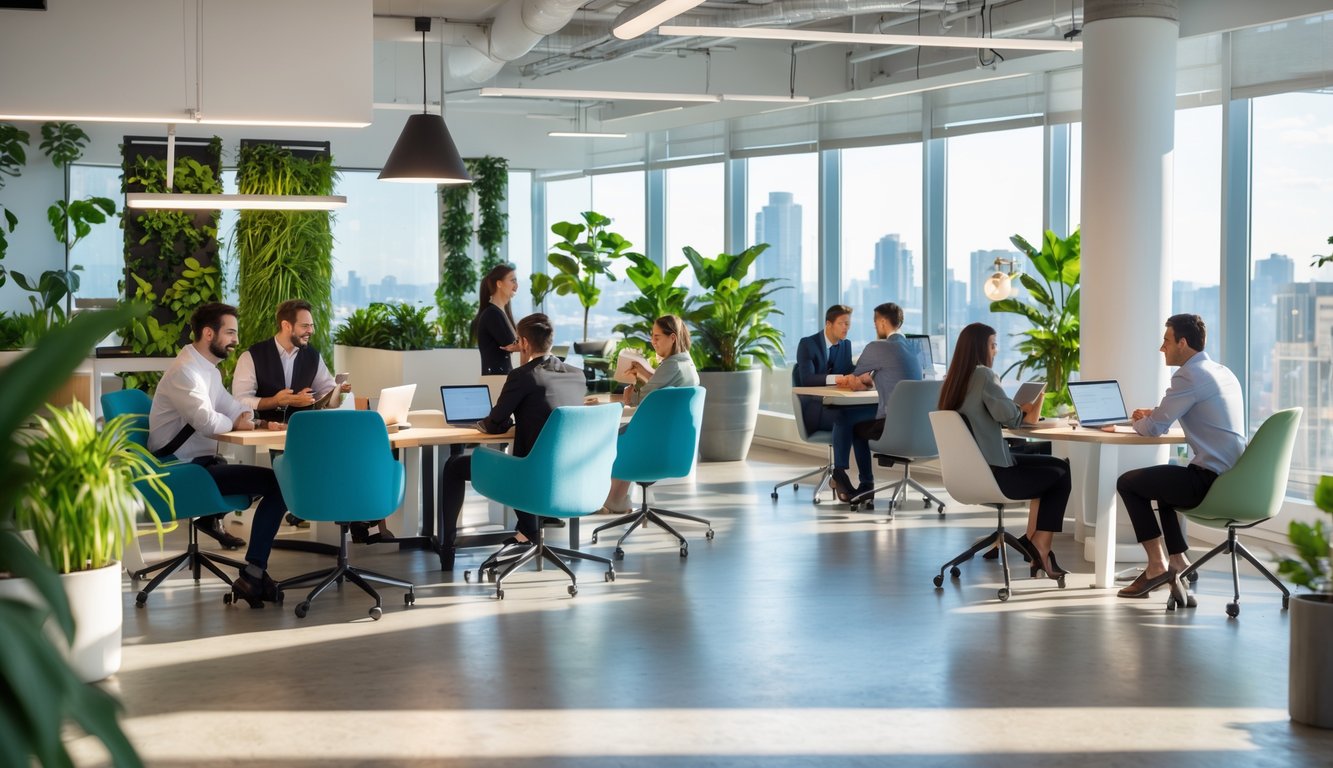
The most recognized coworking spaces focus on design, amenities, and user experience. They combine functional layouts with features that make daily work smoother and more enjoyable.
Defining Award Criteria
Judges evaluate a shared workspace using measurable and experience-based factors. Awards often consider design innovation, sustainability practices, and community impact.
Spaces that use recycled materials or energy-efficient lighting score higher in sustainability. Some integrate cork flooring or reclaimed wood furniture for a greener environment.
Accessibility plays a major role. Workspaces that offer step-free access, adjustable desks, and quiet zones often stand out.
Judges also look for technology integration. High-speed internet, secure access systems, and smart booking tools have become standard in top shared offices.
Key Elements of Success
The most successful coworking spaces excel in functionality, comfort, and adaptability. Functionality means layouts support productivity, with private booths for calls and open tables for collaboration.
Comfort comes from ergonomic seating, natural lighting, and climate control. Award-winning spaces often add extras like rooftop gardens or on-site cafés.
Adaptability helps spaces handle growth and change. Modular furniture, movable walls, and multi-use areas make the workspace more versatile for different teams and events.
Community and Collaboration
Even the best design can’t replace the value of a strong community. In award-winning coworking spaces, people connect through planned events and shared resources.
Networking breakfasts, skill-sharing workshops, and social hours help members build relationships. This makes the space more than just a place to work.
Some spaces create dedicated community manager roles. These managers introduce members, organize activities, and help newcomers feel welcome.
Collaboration thrives when the layout encourages interaction. Open lounges and visible communal areas make it easy for people to meet naturally.
Types of Awards and Recognition in Coworking

Coworking spaces can earn recognition for different reasons. Some stand out for their global reach, others for member satisfaction, and some for creativity in design and services.
Global and Regional Awards
Large industry organizations or coworking networks give these awards. They can cover broad regions or specific markets.
For example, the Coworker Members’ Choice Award recognizes the best coworking space in each city worldwide, based on member feedback and performance data. Winning such a title raises visibility and attracts new members who value credibility.
Spaces often promote these awards in marketing because they signal trust to clients. Global and regional awards help position a space as a leader in its area.
Common criteria include:
- Community engagement
- Service quality
- Operational excellence
Member-Voted Honors
Members who use the space every day give these awards. They base their votes on surveys, reviews, or direct feedback.
These honors reflect real user experiences. A space that earns high praise from members shows it delivers on comfort, resources, and community support.
Some coworking networks run annual polls where members nominate their favorite spaces. Categories might include best atmosphere, friendliest staff, or most productive environment.
Winning boosts loyalty among current members and draws in new ones through word-of-mouth. You can read about how recognition programs impact retention in coworking spaces at OfficeFinder.
Design and Innovation Distinctions
Design associations, architecture groups, or workplace innovation panels often grant these awards. They focus on how a coworking space looks, feels, and operates.
I’ve visited spaces that won for creative layouts, sustainable materials, or unique amenities like soundproof pods and wellness rooms. These awards make a strong impression on visitors and set a space apart from traditional offices.
Judging criteria may include:
- Interior design quality
- Use of technology
- Sustainability practices
Spaces that excel here use their award status to attract startups, creatives, and companies seeking inspiring work environments. You can explore examples of recognition categories at Awards.com.
Signature Features of Award-Winning Coworking Spaces

The best coworking spaces share key traits that make them stand out. They balance thoughtful design, high-quality services, and adaptable work areas for different work styles.
Innovative Design and Architecture
When I walk into an award-winning coworking space, the design feels intentional. These spaces use natural light, open layouts, and ergonomic furniture for a comfortable work environment.
Some locations adapt restored historical buildings or use eco-friendly materials such as bamboo or recycled wood. This looks appealing and supports sustainability.
I appreciate when architecture includes quiet corners for focus and open areas for collaboration. Clear signage, good acoustics, and smart use of color make it easy to navigate and stay productive.
Premium Amenities and Services
Award-winning spaces often provide fully equipped meeting rooms with reliable video conferencing tools. This makes it easy to host clients or team calls.
Many offer private offices and dedicated desks for members who want consistent workspaces. On-site staff, mail handling, and IT support add real value.
Some go further by providing wellness rooms, stocked kitchens, or secure bike storage. Spaces described in the 10 essential features of a winning coworking space show how these extras make work smoother and more enjoyable.
Flexible Workspace Solutions
Award-winning coworking spaces usually offer flexible options. Members can choose between hot desks, dedicated desks, or short-term private offices depending on their schedule.
Membership plans range from daily passes to long-term agreements. This flexibility helps freelancers, remote teams, and small businesses find the right fit.
Spaces highlighted in features of great coworking spaces show how variety in workspace types supports both collaboration and focused work. Switching environments can keep the workday fresh and productive.
Who Benefits Most from These Spaces
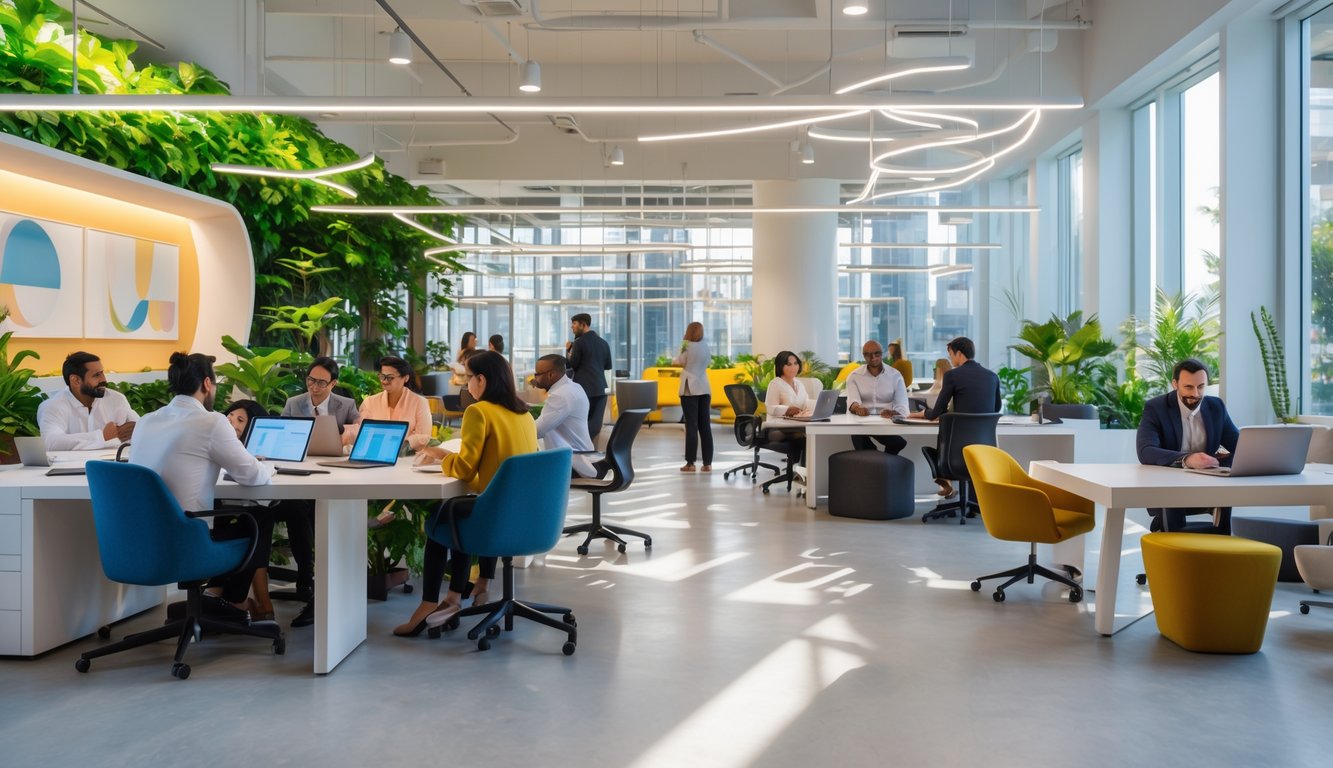
Award-winning coworking spaces attract people who value flexibility, community, and well-designed work environments. They meet the needs of those who want reliable infrastructure, networking opportunities, and a place that supports both focus and collaboration.
Startups and Entrepreneurs
When I worked with a small startup team, I saw how much they relied on shared spaces for growth. Renting a private office was too expensive, so a coworking membership gave them affordable access to meeting rooms, event spaces, and business-grade internet.
Many of these spaces host workshops or networking nights. This makes it easier for founders to meet investors, advisors, or future employees.
Some award-winning spaces focus on industry-specific communities. For example, a tech-focused hub might offer developer meetups, while a design-focused space could have creative labs. This helps entrepreneurs find relevant contacts and resources in one place.
Freelancers and Remote Workers
As a freelancer, I use coworking spaces to separate my work from home life. They give me a quiet, professional setting where I can focus without distractions.
I appreciate the fast internet and printing facilities that I can’t always get at home. Many award-winning spaces create comfortable work zones with ergonomic chairs, natural lighting, and soundproof booths for calls.
These details make a big difference during long work hours. I’ve also met other freelancers in these environments. Sharing tips, referring clients, or collaborating on projects becomes natural when you see the same people regularly. It’s a way to build a professional network without forced events.
Digital Nomads and Travelers
When I travel, I look for coworking spaces that are easy to access and close to public transport. Flexible hours are also important to me.
For digital nomads, this kind of location convenience is vital. Many award-winning spaces cater to travelers by offering day passes or short-term memberships.
I can work productively for a week in one city before moving on. Some spaces offer perks like luggage storage, community lunches, or local city guides.
These touches help me settle in quickly and feel connected, even if I’m only there for a short time. Having a reliable place to work in each city helps nomads maintain consistency and productivity.
The best spaces balance professional facilities with a welcoming community.
Notable Award-Winning Coworking Spaces Around the World

I have visited and researched several coworking spaces that earned recognition for their design and amenities. These places stand out because they blend functionality with a strong sense of identity.
NeueHouse Hollywood and NeueHouse
When I stepped into NeueHouse Hollywood, I noticed how much thought went into preserving the building’s history. The space sits in the landmark CBS Radio Building, and its design keeps many original Art Deco details.
NeueHouse uses a members-only approach, which creates a quieter, more curated environment. This setup attracts creative professionals in film, design, and media.
The interiors use warm lighting, plush seating, and curated art to make work feel less sterile. Their events include film screenings and talks with industry leaders, which help members connect.
The New York location shares the same attention to detail but feels more urban and fast-paced. Both spaces have won awards for blending hospitality-level service with work-focused amenities.
WeWork’s Unique Offerings
I have used WeWork in several cities. Each location has its own style, but the brand’s core strengths stay consistent.
They often win design and business awards because they scale comfort and functionality across many offices. WeWork’s layouts encourage movement and interaction.
I like how they mix open lounges with private offices. This lets me choose the best spot for my work style each day.
Many locations offer perks like barista bars, wellness rooms, and podcast studios. Their global reach means I can book a desk in New York one week and London the next without changing my membership.
The brand also supports sustainability. Some award-winning spaces use recycled materials, LED lighting, and energy-efficient systems to reduce environmental impact.
Second Home’s Creative Environment
Second Home is one of the most visually striking coworking brands I’ve seen. Their London and Lisbon spaces use bold colors, curved walls, and many plants to create a relaxed but stimulating setting.
Their design choices are backed by research into how color and natural light affect mood. When I worked there, I noticed the space felt lively without being distracting.
Second Home supports local communities by hosting cultural events, workshops, and talks. This approach has helped them win awards for both architecture and social impact.
They show their commitment to sustainability by building with eco-friendly materials. Many spaces feature rooftop gardens or solar panels.
Other Global Standouts
Some award-winning coworking spaces go beyond the major brands. The Work Project in Singapore is known for its hotel-like interiors and focus on hospitality service.
In Bali, Dojo Bali blends open-air work areas with views of the ocean. The design encourages casual networking without feeling forced.
Spaces like Hubud in Ubud use bamboo structures and open layouts to connect members with nature. These spaces show that design awards often go to places that balance comfort, culture, and community.
How to Choose an Award-Winning Coworking Space
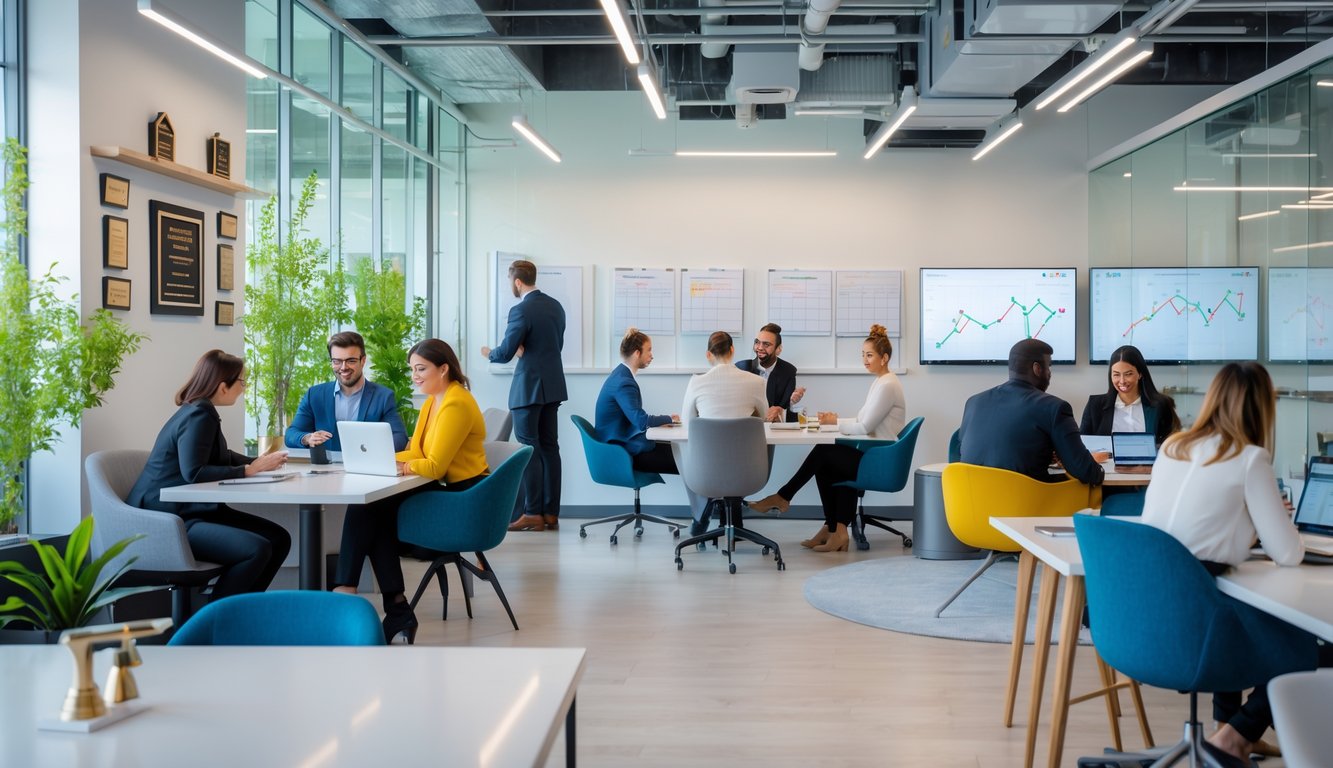
I look for spaces that match how I work and fit my budget. I also consider comfort, productivity, and how the space supports its members.
Flexibility in how I can use the space is important to me. I pay attention to the overall feel and the options available.
Evaluating Your Needs
I start by listing the non-negotiables I need in a workspace. For me, that might include quiet areas, fast and reliable Wi-Fi, and private meeting rooms.
Location matters too. A space close to public transit or within walking distance from home saves me time and stress.
If I expect to meet clients often, I look for a professional setting with easy parking. Budget matters, so I compare membership types—daily passes, monthly desks, or private offices—and choose what fits my work style.
Some coworking spaces offer flexible plans that grow with my needs. This helps me avoid paying for unused space.
I also check if the space has the tools I rely on, like printers, phone booths, or video conferencing gear. If I travel often, I prefer spaces that are part of a larger network so I can work from different cities.
Touring and Trial Memberships
I never commit without seeing the space in person. A tour helps me check noise levels, lighting, and seating comfort.
I pay attention to details like how clean the kitchen is and whether the staff are welcoming. Many places offer trial days or short-term passes.
I use these to test the space during my normal work hours. This shows me how busy it gets, how stable the internet is, and whether I can focus.
I also ask about peak times. Some award-winning coworking spaces have great amenities but get crowded in the afternoons.
Knowing this helps me plan my schedule or decide if it’s the right fit. During a trial, I check if I feel motivated there.
If the space drains my energy or feels distracting, I keep looking.
Considering Community and Culture
The people in a coworking space can make or break my experience. I look for a community where members are friendly and open to networking.
Some spaces host regular events, workshops, or lunches. I join one if I can.
This helps me see if the culture fits my personality and work goals. I also notice how members interact.
In some shared workspaces, people collaborate often. In others, members keep to themselves.
I choose based on whether I want more social interaction or more privacy. If I plan to stay long-term, I want a space where I feel comfortable sharing ideas and asking for help.
A supportive culture helps me grow my work and my network.