I’ve seen a coworking space thrive when everyone feels welcome, respected, and able to contribute. That kind of environment requires intention, planning, and the right training for the people who run it.
Diversity training gives staff the tools to create a space where different backgrounds, skills, and perspectives work together smoothly.

When staff understand diversity and inclusion, they can spot barriers and address conflicts with empathy. Staff also make sure policies support everyone.
In a shared workspace, staff choose inclusive language and design events that appeal to a wider range of members. Training helps staff build trust, which forms the foundation of a strong coworking community.
I’ll explain what diversity and inclusion mean in a coworking setting. I’ll also cover the key principles behind effective training and how to put those ideas into action.
From designing an inclusive layout to hosting events that connect people from all walks of life, each step helps build a space that’s productive and welcoming for everyone.
Understanding Diversity and Inclusion in Coworking Spaces
Coworking spaces bring together people from different industries, cultures, and backgrounds. This mix creates fresh ideas, but staff need skills to support respectful and inclusive interactions.
When I understand how diversity and inclusion work in this setting, I can better create an environment where everyone feels welcome and able to contribute.
What Is Diversity Training for Coworking Space Staff
Diversity training teaches staff how to work with and support people from many backgrounds. In a coworking space, staff learn about differences in culture, communication styles, and needs.
The training covers unconscious bias, inclusive language, and ways to handle conflicts respectfully. It also includes accessibility awareness so facilities work for everyone.
Some programs use role-play or real-world examples to help staff practice. Others focus on building empathy and active listening skills.
After this training, I feel more confident welcoming new members and handling sensitive situations. I make sure no one feels excluded.
Key Benefits of Diversity and Inclusion
A diverse and inclusive coworking space improves creativity and problem-solving. People bring unique skills and perspectives that lead to better solutions.
Members feel more engaged when they know their ideas are valued. This strengthens the community and can improve member retention.
Diversity also helps networking. I meet people I might never have connected with otherwise, which leads to unexpected opportunities.
Coworking spaces that focus on inclusion attract a wider range of members. This supports growth and long-term stability.
Challenges to Diversity in Coworking Environments
Even with good intentions, challenges can appear. Language barriers can make communication difficult.
Cultural differences may lead to misunderstandings. Some coworking spaces struggle with accessibility for people with disabilities.
Others may unintentionally favor certain industries or work styles. Bias—whether conscious or unconscious—can affect how staff interact with members.
Without proper training, staff might not recognize when someone feels excluded. Creating true inclusion requires ongoing effort, awareness, and adjustments to both policies and physical spaces.
Core Principles of Effective Diversity Training
I help staff build habits that make every person feel respected and valued. This means learning to see situations from different perspectives and reducing bias in daily interactions.
Staff also choose words that support diversity and inclusion.
Developing an Inclusive Mindset
I encourage people to look beyond their own experiences. This helps everyone understand how different backgrounds shape our views.
In coworking spaces, members have varied cultures, industries, and work styles. I learn about these differences so I can interact with fairness and openness.
To practice this, I use:
- Active listening to hear others without interrupting.
- Asking open questions to learn more about someone’s perspective.
I avoid making assumptions about needs or preferences. Creating an inclusive mindset takes time. It’s about consistent actions, not just one training session.
Addressing Unconscious Bias
Unconscious bias affects how I make decisions, even when I don’t intend it. These biases can influence who I greet first or trust with tasks.
During training, I use real-life scenarios to spot patterns in my reactions. For example, I might notice I give more attention to people who share my communication style.
Some effective steps I take include:
- Slowing down decisions to consider possible biases.
- Seeking feedback from coworkers on my interactions.
- Using structured processes for tasks like assigning work or resolving conflicts.
By addressing bias directly, I help create a fairer environment where everyone has equal access to opportunities.
Promoting Inclusive Language
I pay close attention to the words I use because language shapes how welcome people feel. Inclusive language avoids terms that exclude or stereotype groups.
For example, instead of saying “guys” to a mixed group, I say “everyone” or “team.” I use people’s chosen names and pronouns to show respect.
Some tips I follow:
- Avoid gendered job titles (use “chairperson” instead of “chairman”).
- Steer clear of slang that might not be understood by all cultures.
- Use plain language so everyone can follow along.
By practicing inclusive language, I help create a coworking space where communication supports diversity and inclusion for all members.
Designing an Inclusive Coworking Space
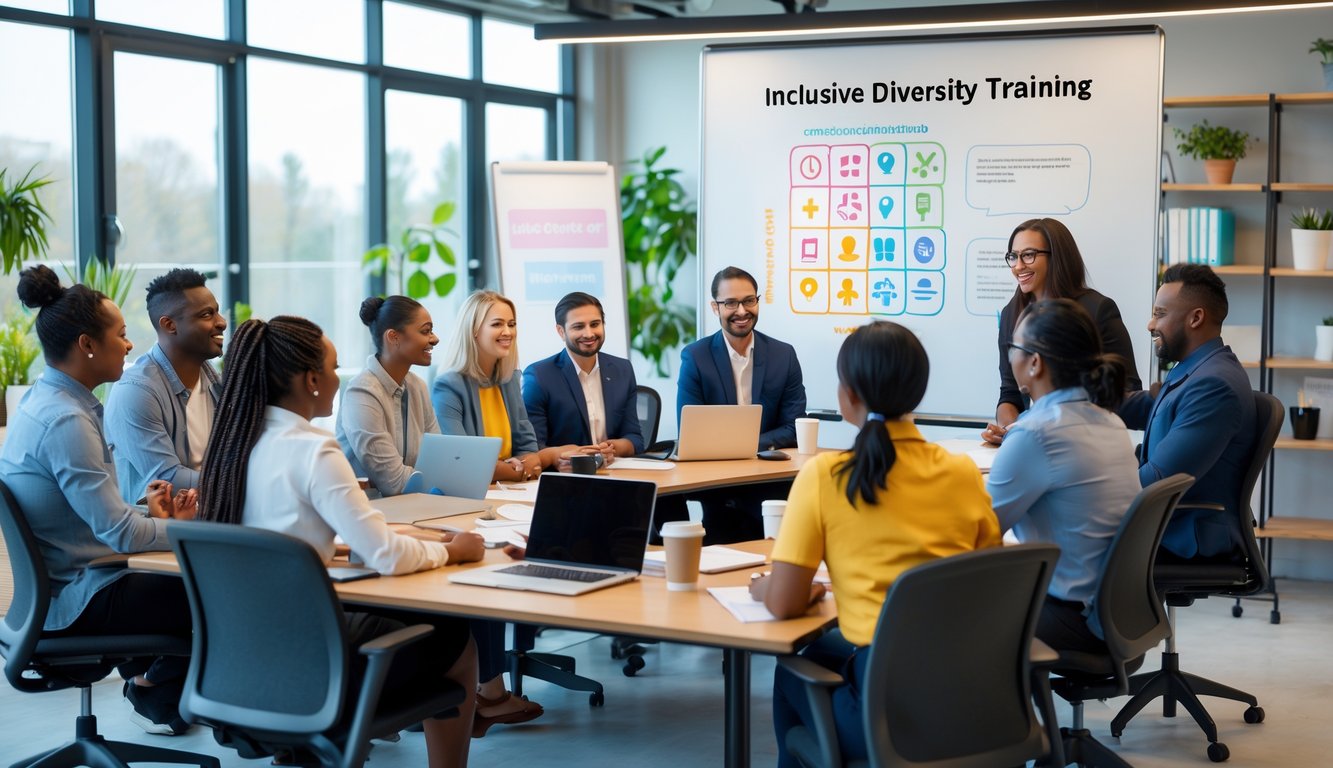
I focus on details that make every member feel welcome and able to participate fully. This includes how people move around the space, how they see themselves represented, and how we set shared expectations for respect and behavior.
Physical Accessibility and Universal Design
I make sure my coworking space follows universal design principles so everyone can use it without barriers. This means step-free entrances, wide doorways, and adjustable desks.
I provide gender-neutral restrooms with enough space for wheelchair users. I use bright but non-glare lighting so people with low vision can navigate comfortably.
Here’s a quick checklist I use:
| Feature | Why It Matters |
|---|---|
| Ramp or lift access | Supports wheelchair and mobility aid users |
| Adjustable furniture | Fits different body sizes and needs |
| Clear pathways | Prevents tripping hazards |
| Accessible restrooms | Ensures comfort and privacy for all |
I follow local building codes and accessibility laws to make sure everyone can access the space.
Visual Representation and Multilingual Signage
When people walk in, I want them to see themselves reflected in the space. I display artwork, photos, and decor that show people of different ages, backgrounds, and abilities.
I use multilingual signage for directions, safety notices, and event boards. For example, my welcome sign appears in English, Spanish, and Mandarin.
I keep font sizes large and colors high-contrast for readability. Simple icons help people who may not read the language fluently.
For digital screens, I use closed captions during events and videos. This helps members who are deaf or hard of hearing.
Creating Welcoming Community Guidelines
I write clear and simple community guidelines that explain expected behavior. These include respect for personal space, no discriminatory language, and support for open discussion.
I share these rules during onboarding and post them in shared areas. Everyone knows what’s acceptable from day one.
I encourage members to report issues privately. I respond quickly so problems don’t grow.
To keep the guidelines relevant, I review them with my community every year. This helps me adapt to new needs and feedback, keeping the coworking space inclusive and respectful for all.
Building Community Through Programming and Events

I make an inclusive coworking space feel alive through intentional programming. When I create events that encourage learning, connection, and cultural exchange, entrepreneurs and freelancers feel more engaged and valued.
Diversity-Focused Workshops and Events
I host workshops that address real issues around inclusion, equity, and respect in the workplace. These include unconscious bias training, allyship sessions, or panel talks with underrepresented entrepreneurs.
For example, I organized a Q&A with local business owners from different cultural backgrounds. Members heard personal stories and asked direct questions.
I make these events interactive. Group discussions, role-play exercises, and scenario-based activities help staff and members practice inclusive behaviors.
I bring in external trainers who specialize in workplace diversity. This keeps the content fresh and gives everyone practical tools they can use immediately.
Skill-Sharing and Networking Opportunities
Skill-sharing sessions break down barriers between members. When a freelancer teaches a design workshop or an entrepreneur explains small business taxes, people connect on a professional and personal level.
To make it fair and inclusive, I invite members from different industries and backgrounds to lead sessions. This ensures a variety of perspectives.
Networking events work best when they’re structured. I use speed networking or topic-focused discussion tables so quieter members feel comfortable and everyone meets someone new.
I encourage cross-promotion between members. For example, a web developer might partner with a copywriter they met at an event. These connections strengthen the coworking community and open up business opportunities.
Celebrating Cultural and Demographic Diversity
I highlight the different cultures and identities within our coworking space. This could be as simple as hosting a potluck lunch where members bring dishes from their heritage.
I plan events around cultural holidays, such as Lunar New Year, Diwali, or Pride Month. These celebrations help educate members about traditions they may not know.
To keep it respectful, I consult with members who identify with the culture being celebrated. They guide the planning so the event feels authentic.
These gatherings draw in more participation than formal meetings. They create a sense of belonging and show that everyone’s background is valued.
Supporting Underrepresented Groups in Coworking Spaces
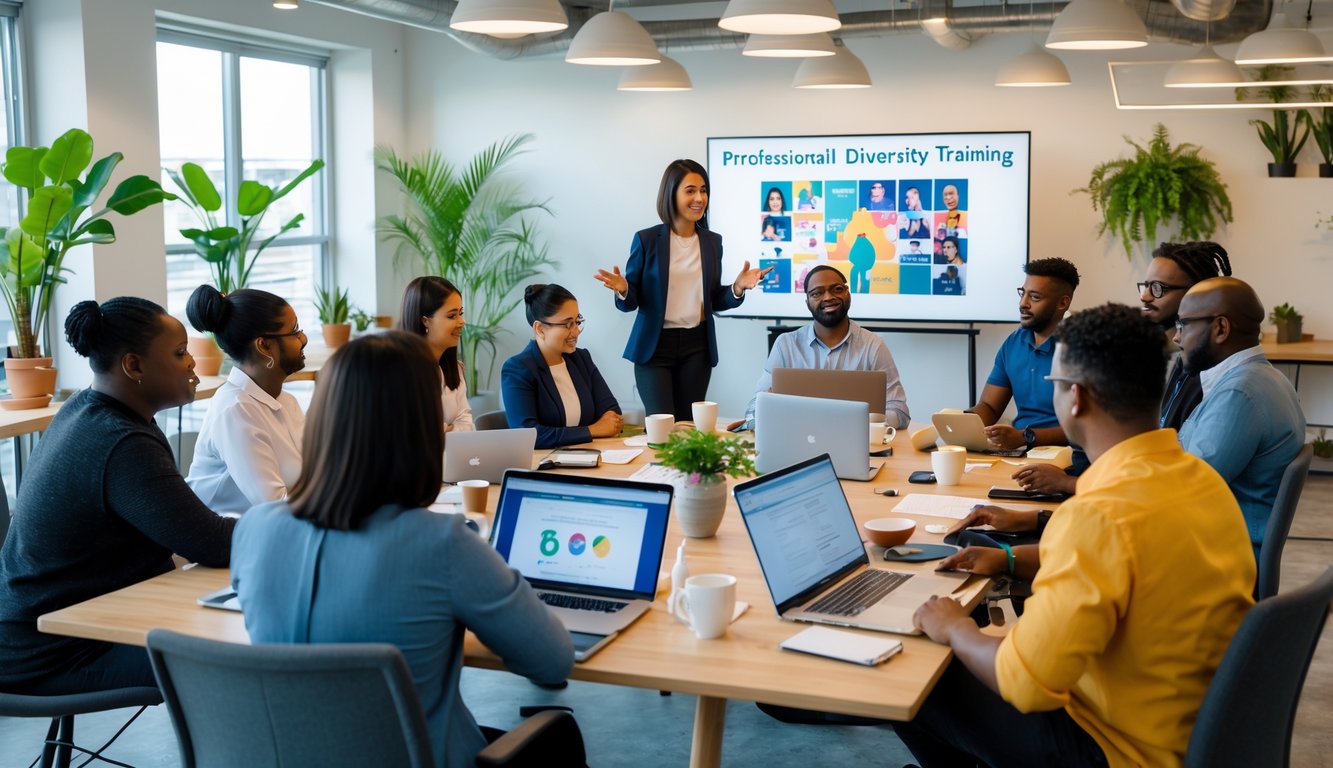
I create policies, programs, and daily practices that help everyone feel welcome and supported. I address specific needs, remove barriers, and offer resources that help members succeed.
Women in Tech and Leadership
I notice that women in tech often miss out on networking opportunities and leadership roles. To help, I set up mentorship programs that connect experienced leaders with women aiming to advance their careers.
I host skill-building workshops on coding, project management, and public speaking. These workshops give women practical tools they can use right away.
Flexible meeting times and childcare-friendly policies help more women attend events and connect with their peers. I select speakers and panelists who include women in leadership so members can see real examples of success.
LGBTQ+ Inclusion and Support
I make sure LGBTQ+ members feel safe and respected in every part of the space. I use inclusive language in all communication and ensure that facilities, like restrooms, are gender-neutral where possible.
I partner with local LGBTQ+ organizations to host networking nights and educational talks. These events help members build professional connections in a supportive setting.
To address workplace bias, I provide diversity training for staff so they know how to respond to discrimination. I highlight coworking spaces that actively promote LGBTQ+ inclusion, as described in this guide to fostering inclusive workspaces.
Assisting International Professionals
International professionals often face visa restrictions, language barriers, and limited local networks. I help by offering language exchange meetups and connecting them with legal and immigration resources.
I run mentorship programs that match newcomers with members who know the local industry. This helps them understand workplace culture and find opportunities faster.
I provide flexible membership plans so short-term residents can still benefit from the community. I host cultural exchange events that allow everyone to share traditions, which builds stronger relationships and understanding.
The Role of Mentorship and Development Programs

I give coworking staff access to structured learning and guidance so they can adapt faster, work better with diverse members, and grow their skills. These efforts build stronger teams, improve communication, and help everyone feel included.
Implementing Mentoring Programs
When I set up a mentoring program, I pair experienced staff with new team members. This gives new hires someone they can go to for advice without worrying about bothering a manager.
I make sure mentors know their role. They guide, answer questions, and help mentees navigate the coworking space’s culture.
A clear structure helps everyone. I set meeting schedules, define goals, and track progress.
Some coworking spaces use mentorship programs to boost engagement among staff and members, which helps everyone feel more connected.
Here’s a simple setup I use:
| Step | Action | Example |
|---|---|---|
| 1 | Identify mentors | Senior staff with 1+ year experience |
| 2 | Match with mentees | Based on role or goals |
| 3 | Set expectations | Monthly check-ins, skill goals |
| 4 | Review progress | Quarterly feedback sessions |
Encouraging Peer-to-Peer Learning
I see that staff often learn best from each other. Peer-to-peer learning makes it easy to share tips, solve problems, and see different perspectives.
I create short, informal sessions where one person shares a skill or process they know well. For example, someone might explain how they handle difficult member requests or manage event setups.
This approach works well in diverse teams because it values everyone’s knowledge. Mentoring programs can help people learn to co-exist in new environments, which is useful in coworking spaces with varied backgrounds.
To keep it engaging, I rotate who leads each session and encourage questions.
Evaluating Program Success
I check in with both mentors and mentees to see what’s working and what’s not. I use short surveys and one-on-one feedback meetings.
This helps me spot gaps, like if mentees aren’t meeting often enough or if mentors need more training. I track staff retention, skill improvements, and how comfortable people feel in their roles.
Some organizations measure success by whether their mentorship programs help diverse staff grow into leadership roles. If something isn’t working, I adjust quickly.
Ensuring Economic Accessibility and Longevity
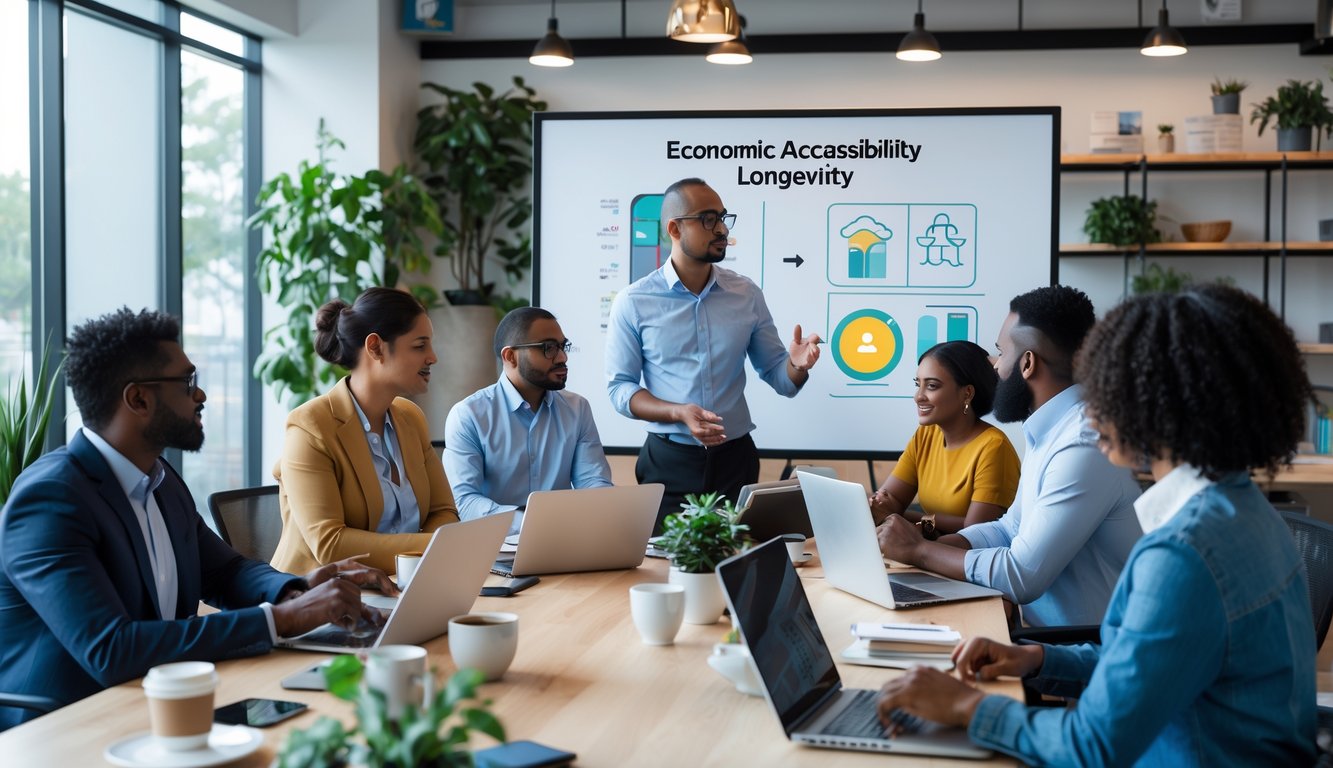
I keep coworking spaces affordable while making sure they can operate for years to come. I balance fair costs for members with strategies that keep the space financially healthy.
Flexible Pricing and Scholarship Options
Tiered membership plans help entrepreneurs and freelancers pick what fits their budget. For example:
| Plan Type | Access Level | Monthly Cost |
|---|---|---|
| Part-Time | 8 days/month | Low |
| Full-Time | Unlimited | Medium |
| Premium | 24/7 + perks | Higher |
Offering day passes also helps people who only need occasional space.
I include scholarship programs for underrepresented groups. This can mean reduced rates for early-stage entrepreneurs or people re-entering the workforce.
Payment flexibility matters. Letting members pay monthly instead of upfront lowers the barrier to entry. I make sure discounts are clear and easy to apply for, so no one feels excluded.
Resource Sharing and Support Initiatives
Coworking spaces lower costs by pooling resources. Members use shared printers, meeting rooms, and high-speed internet to avoid large personal expenses.
We partner with local businesses to offer discounted services like accounting, legal help, or design work. This helps freelancers and small teams save money on essentials.
I create skill-sharing programs where members trade expertise instead of money. For example, a web designer helps a writer build a portfolio in exchange for editing services.
I often explore strategies from equitable workforce models to find more ideas for building inclusive and affordable work environments.