I’ve seen how the right workspace can change the way people work together. In many places, women still face barriers to equal opportunities.
Shared offices can help close that gap. Coworking spaces create neutral, flexible environments where everyone has the same chance to connect, collaborate, and grow.

When I walk into a well-designed coworking space, I notice how it encourages interaction and breaks down traditional hierarchies. Some spaces focus on supporting women-led businesses, like women-only coworking hubs that foster collaboration and confidence.
These environments make it easier to build networks and find mentors. They also help women access resources that might be harder to reach elsewhere.
I want to share how coworking spaces can advance gender equality, from offering flexible options for remote work to creating intentional spaces for inclusion. Understanding these benefits shows how this model empowers women and strengthens professional communities.
The Role of Coworking Spaces in Advancing Gender Equality
I’ve seen how shared work environments can make a real difference for women and other underrepresented groups. They offer flexible setups and create spaces where people feel safe to collaborate and grow.
How Coworking Spaces Level the Playing Field
In many traditional offices, access to resources and networks often depends on seniority or company politics. In a coworking space, I can sit next to a startup founder one day and a freelance designer the next.
This open environment makes it easier to share ideas and learn from others. Women-focused coworking spaces, like Hera Hub, provide mentorship programs and childcare options.
Coworking spaces remove rigid hierarchies and give me the same access to tools, meeting rooms, and networking events as anyone else. That kind of equal access is a big step toward gender equity.
Key benefits I’ve noticed:
- Equal access to shared resources
- Opportunities to connect with diverse professionals
- Supportive communities that encourage collaboration
Impact on Equal Opportunities in the Workplace
Coworking spaces often promote equal opportunities by setting up clear, transparent rules for how space and resources are used. I don’t have to compete for a desk or worry about being excluded from events because of my role or gender.
Spaces like WOTSO focus on inclusion by hosting workshops, networking sessions, and skill-building events open to all members.
This helps me develop professionally without the hidden barriers I’ve experienced in some corporate environments. Coworking communities also value diversity in hiring for in-house teams and in the speakers they invite.
That representation matters—it shows me that leadership roles are within reach.
Addressing Gender Disparities in Traditional Offices
Traditional offices often have persistent gender gaps in pay, leadership roles, and access to decision-making. Coworking spaces bypass these structures and give me more direct control over my work environment.
Women-only spaces, such as those highlighted in The Rise of Women-Only Coworking Spaces, address specific challenges like workplace bias and lack of networking opportunities.
These spaces let me build confidence by working in an environment where my contributions are valued. Over time, that confidence leads to stronger business relationships and better career outcomes.
Benefits of Coworking Spaces for Women
I’ve seen how the right workspace can boost my productivity and confidence. Access to flexible schedules and supportive communities has helped me manage both personal and professional responsibilities.
Flexibility and Work-Life Balance
One of the main reasons I choose a coworking space is the flexibility it offers. Many spaces let me set my own hours, which helps when I need to handle family or personal commitments.
I can work early in the morning or later in the evening without feeling pressured by strict office rules. This makes it easier to maintain a healthy work-life balance.
Some coworking spaces offer on-site childcare or partnerships with nearby services. This reduces the stress of finding last-minute care and lets me focus on my work.
Having a separate place to work helps me create clear boundaries between my job and home life. When I leave the coworking space, I can truly switch off and give my attention to my family or personal time.
Promoting Mental Well-Being
Working from home for long periods can feel isolating. In a coworking space, I interact with other professionals daily, which boosts my mood and motivation.
Many women-focused coworking spaces are designed to be welcoming and inclusive. Comfortable seating, natural light, and quiet zones help reduce stress and improve focus.
Some spaces host wellness activities like yoga classes or mindfulness sessions. These small breaks help me return to my tasks with more energy and a clearer mind.
According to Burbity Workspaces, stepping out of a repetitive home routine can spark creativity and prevent burnout. I’ve found that to be true for me, especially during busy project deadlines.
Supporting Women Entrepreneurs and Freelancers
As a freelancer, I value the networking opportunities in coworking spaces. I’ve met other women who share advice, collaborate on projects, or refer clients.
Many women-centric spaces offer mentorship programs, workshops, and access to funding opportunities. For example, Optix highlights how these spaces foster leadership skills and confidence.
Having access to meeting rooms, high-speed internet, and professional addresses helps me present a polished image to clients.
For women entrepreneurs, being part of a supportive community can open doors to partnerships and new markets. I’ve gained clients through casual conversations over coffee, which wouldn’t have happened working alone at home.
Networking, Mentorship, and Collaboration Opportunities
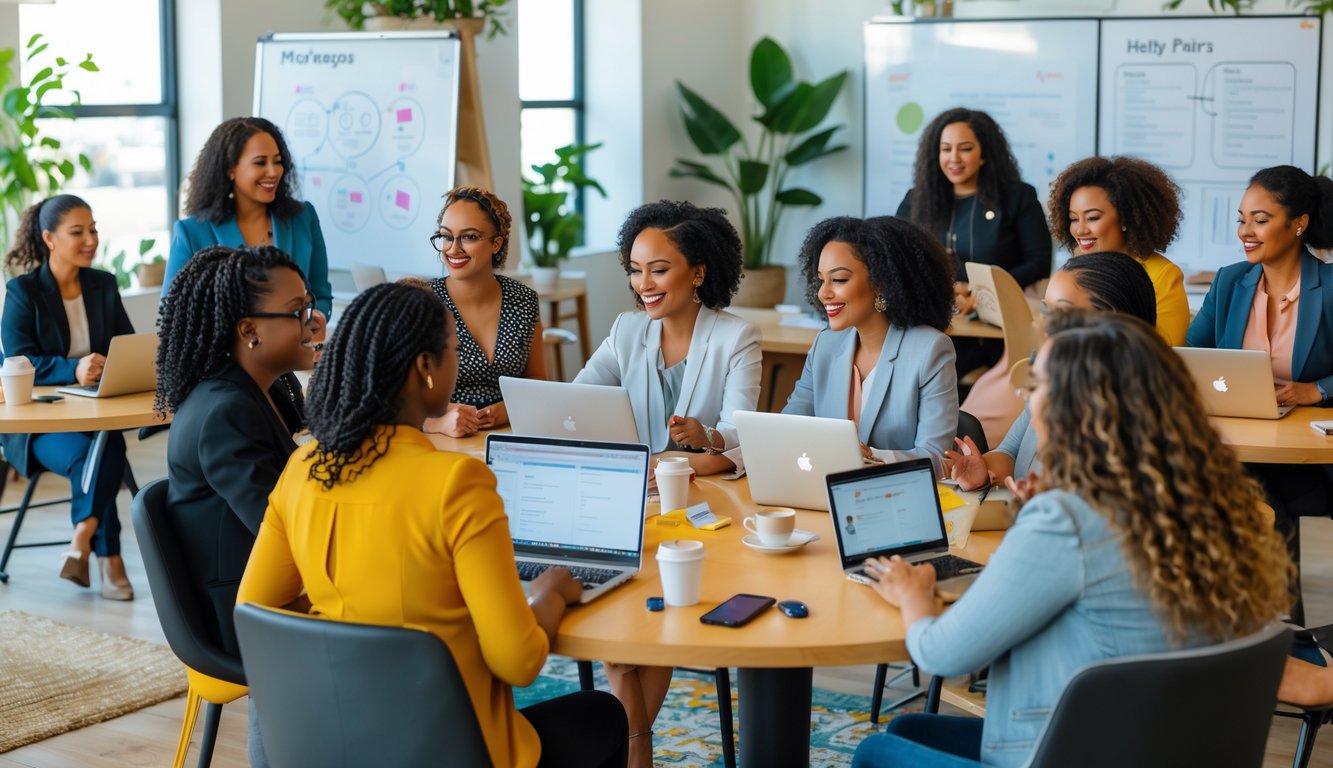
I’ve seen how shared work environments can give women in business access to people, ideas, and resources they might not find in traditional offices. These spaces often make it easier to connect with peers and learn from experienced professionals.
Building Professional Networks
When I first joined a coworking space, I quickly noticed how easy it was to meet people from different industries. Instead of waiting for formal events, I could start a conversation over coffee or during a shared lunch.
Many women-focused spaces host regular networking events, such as:
- Industry-specific meetups
- Pitch nights for entrepreneurs
- Informal coffee chats
These events help me build relationships that often lead to business referrals, partnerships, or client leads. Sometimes, I’ve met investors or collaborators simply by attending a workshop.
Spaces like TRIOS make networking intentional by connecting women entrepreneurs with mentors, potential clients, and funding opportunities. This structure turns casual introductions into real professional growth.
Mentorship Programs for Women
I value mentorship because it gives me direct access to someone who has already navigated the challenges I’m facing. In women-focused coworking spaces, mentorship programs are often part of the membership.
Some spaces pair new members with established professionals for one-on-one guidance. Others run group mentorship circles where we can share experiences and solutions.
At Hera Hub, I’ve seen programs that match women in business with industry experts who offer advice on funding, marketing, and scaling a company. This support shortens the learning curve and helps me avoid costly mistakes.
Mentorship also builds confidence. Having someone in my corner who believes in my abilities makes it easier to take risks and pursue bigger goals.
Fostering Collaboration and Innovation
Collaboration feels natural in coworking spaces because we share open areas, resources, and ideas. I’ve worked on joint projects with designers, marketers, and developers I met just by sitting nearby.
Many spaces encourage collaboration through shared project boards, team brainstorming sessions, and cross-industry workshops. This setup lets me combine my skills with others to create better results.
According to WomenTech, initiatives like female-led projects, inclusive policies, and access to collaboration tools help women in tech innovate together. I’ve found that these opportunities often lead to creative solutions I wouldn’t have developed alone.
Working side by side with other motivated women pushes me to think differently and try new approaches. This mutual support creates a cycle of innovation that benefits everyone involved.
Women-Focused and Inclusive Coworking Spaces
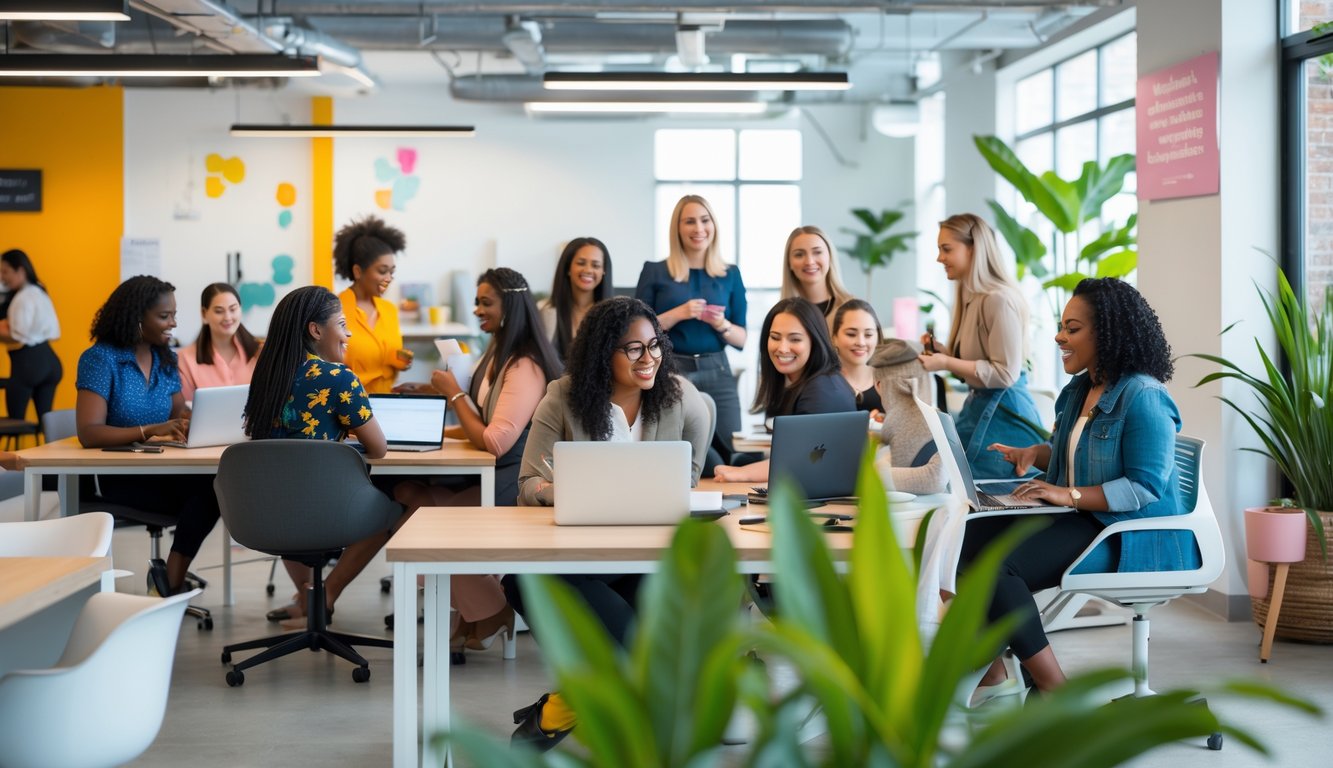
I’ve seen how coworking spaces designed for women can provide practical resources and a strong sense of belonging. They often combine professional amenities with programs that address the unique challenges women face in business.
Rise of Women-Only Coworking Spaces
Women-only coworking spaces have grown in number over the past decade. Many opened in response to the lack of representation and support for women in traditional work settings.
Some, like those highlighted in The Rise of Women-Only Coworking Spaces, offer workshops, networking events, and mentorship programs. These spaces attract entrepreneurs, freelancers, and remote workers who want a community that understands their experiences.
They also serve as platforms for advocacy. By promoting gender equality, they challenge stereotypes and encourage more inclusive business practices.
This makes them more than just shared offices—they become hubs for professional growth and social impact.
Key Features of Women’s Coworking Spaces
During my visits, I noticed that flexible work areas, private meeting rooms, and quiet zones appear in many spaces.
Many spaces also offer childcare services, wellness programs, and business training sessions.
Here’s a quick breakdown of common offerings:
| Feature | Purpose |
|---|---|
| Networking events | Build professional connections |
| Skill workshops | Improve business and technical skills |
| Mentorship programs | Provide guidance from experienced professionals |
| Childcare facilities | Support working parents |
| Wellness activities | Encourage healthy work-life balance |
Some coworking spaces welcome only women, while others include all genders but focus on supporting women.
According to Coworking + Women, these spaces aim to help women thrive by removing barriers.
Creating Safe and Supportive Environments
I appreciate how these spaces prioritize safety and respect.
Many spaces use clear codes of conduct, secure entry systems, and policies that address harassment.
Support goes beyond physical safety.
Emotional and professional networks play a big role in the culture.
Members often join peer groups to share challenges and solutions.
As described in Coworking spaces as a lever for gender equality, inclusive coworking models promote diversity by making all members feel welcome and respected.
Remote Work, Online Platforms, and Gender Equity
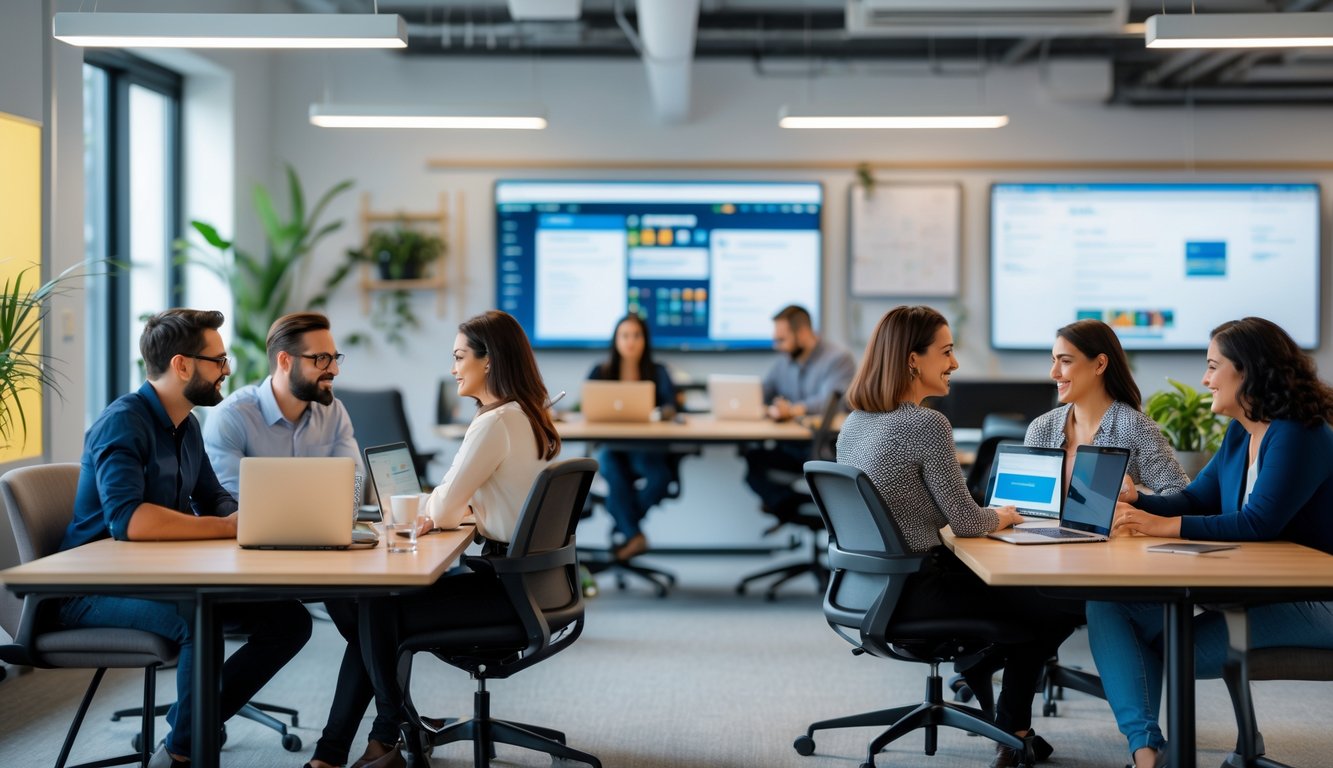
I’ve observed how working from home and using digital tools has changed how many women access career opportunities.
These changes can help or hinder gender equity depending on the support available.
Challenges of Remote Work for Women
When I worked fully remote, I found it easy for work and home life to blend together.
Many women experience this, especially those handling caregiving or household duties.
This often leads to longer workdays and less personal time.
Research shows that during the pandemic, remote work sometimes widened gender gaps in both paid and unpaid labor.
Women often took on more domestic tasks while still meeting job demands.
Isolation is another challenge.
Without in-person contact, building workplace relationships that lead to mentorship or promotions becomes harder.
This can slow career growth and reduce visibility with decision-makers.
Remote roles can hide workplace discrimination.
At the same time, bias can become harder to spot and address in virtual settings.
Role of Online Platforms in Supporting Gender Equality
I use online platforms to connect with peers, find resources, and access training.
These tools can level the playing field by removing location barriers and offering flexible learning.
For example, online mentorship programs and networking spaces help women build professional connections without attending in-person events.
Platforms that offer transparent pay data and career progression paths also promote fairness.
Some companies use digital tools for gender sensitivity training, inclusive hiring, and anonymous feedback channels.
These features make it easier to report concerns and track progress toward equity goals.
When platforms are designed for accessibility, they open doors for women balancing work, caregiving, or health needs.
This matters most in industries where remote work is growing.
Hybrid Work Models and Flexible Arrangements
I believe that hybrid work offers a balance between remote and office life.
It allows face-to-face collaboration while keeping flexibility for personal responsibilities.
Many women benefit from hybrid schedules that reduce commuting time and provide more control over daily routines.
This can improve work-life balance without reducing career visibility.
Companies that mix remote options with clear promotion paths and regular in-person team building see better retention.
Some organizations use flexible arrangements to attract and keep skilled women in competitive fields.
I’ve noticed that flexibility works best when managers focus on results instead of hours worked.
This approach supports productivity and creates a culture of trust.
Future Directions for Gender Equality in Coworking Spaces

I see opportunities for coworking spaces to close gender gaps by improving daily operations and building stronger networks.
Small, steady changes can make the environment more inclusive and give all members equal access to resources, mentorship, and leadership roles.
Strategies for Ongoing Progress
I focus on practical steps that make a real difference.
For example, I can set transparent policies for pay, promotions, and leadership selection.
Clear criteria reduce bias and allow everyone to compete on equal terms.
I also value mentorship programs.
Pairing experienced members with newcomers supports career growth and builds confidence.
Structured mentorship works best with set goals, regular check-ins, and feedback.
Offering flexible work options is important.
Many women balance professional and caregiving duties, so adjustable hours or hybrid models help them stay engaged without losing productivity.
Here’s a quick list of actions I would take:
- Publish diversity and inclusion goals annually.
- Host training on bias awareness.
- Provide equal access to high-visibility projects.
Community Building and Long-Term Impact
Collaboration forms the heart of a strong coworking community. When members share skills and resources, everyone benefits.
I encourage cross-industry events so people from different fields can learn from each other. These events help members discover new ideas and approaches.
Networking opportunities also play a key role. Hosting regular meetups and speaker sessions helps members connect.
Skill-sharing workshops give people a chance to build partnerships and find new clients or projects. These activities support meaningful connections.
I invest in digital platforms where members can continue discussions after in-person events. This keeps the momentum going and allows collaboration to grow beyond scheduled gatherings.