When I started planning my own coworking space, I quickly realized that design choices shape how people work, connect, and feel. The right mix of layout, lighting, and amenities can turn an empty room into a productive, welcoming hub.
Every decision—from the location to the furniture—impacts focus, collaboration, and comfort.
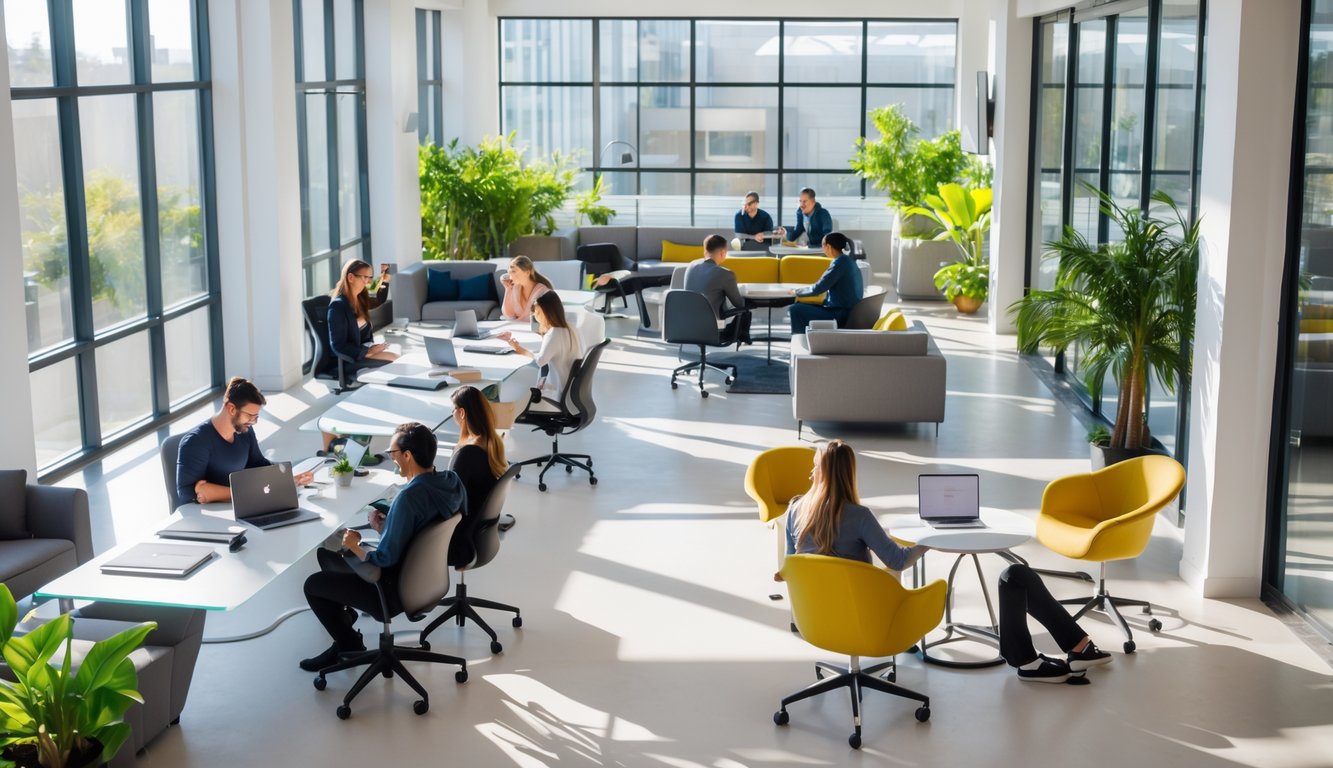
I see a coworking space as more than just desks and Wi-Fi. It’s about creating an environment that fits the needs of the people using it.
That means defining a clear vision, picking an easy-to-access location, and planning a layout that encourages both teamwork and quiet work.
In this guide, I’ll share practical tips on everything from interior design essentials to integrating modern technology and building community. You’ll also learn how lighting, acoustics, and sustainable elements can boost both function and atmosphere.
Defining Your Vision and Target Audience

I begin by thinking about who will use the space and how they work. This helps me select the right layout, amenities, and atmosphere.
Identifying Your Ideal Members
I picture the people I want in my coworking space. Are they freelancers who need flexible desks, hybrid workers who split time between home and office, or small teams who want a shared community?
To narrow this down, I look at:
- Work needs – private calls, collaboration, or quiet focus
- Industry – tech, creative, legal, or remote support roles
- Schedule – full-time use or occasional drop-ins
I often run short surveys or informal interviews to learn what potential members value most, like reliable internet, networking events, or affordable meeting rooms.
Knowing these details helps me create a space that speaks directly to them, instead of trying to appeal to everyone.
Aligning Design With Work Styles
Once I know my members’ work styles, I match the design to their needs. If most people are remote developers, I focus on quiet zones and ergonomic seating.
For creative teams, I add flexible furniture and open collaboration areas.
I also plan the flow. People who move between tasks need spaces for both focus and interaction.
That might mean placing meeting rooms near open desks or adding semi-private booths for quick calls.
A coworking space for lawyers or consultants may need more private offices, while one for startups might focus on shared tables and lounge areas.
Matching amenities to work habits makes the space more useful and appealing.
Balancing Community and Privacy
I want my members to feel part of a community, but I also respect their need for privacy. I create zones for different levels of interaction:
| Zone Type | Purpose | Example Features |
|---|---|---|
| Social Areas | Networking & casual chat | Coffee bar, lounge seating |
| Semi-Private | Small group collaboration | Booths, partitioned tables |
| Private Spaces | Focus & confidentiality | Enclosed offices, phone pods |
I set clear guidelines for noise and shared space use. This helps avoid conflicts and keeps everyone comfortable.
Community events, like skill-sharing lunches or casual meetups, help members connect without pressure.
Choosing the Perfect Location

I look for a place that is easy to reach, has useful services nearby, and offers a layout I can adapt for different needs.
I also consider how the area feels during the day and whether it supports a comfortable, productive environment.
Accessibility and Transport
I always check how easy it is for people to get to the space. A location near a major bus or train line saves time and makes commuting less stressful.
I look for safe, well-lit streets for walking or biking. If most members drive, I make sure there is enough parking or a nearby garage.
Public transit stops within a short walk are a big plus. I sometimes use location strategy tips to compare travel times from different parts of the city.
For a quick check, I list nearby transport options:
| Transport Option | Distance | Notes |
|---|---|---|
| Bus Stop | 2 min walk | Runs every 10 minutes |
| Train Station | 8 min walk | Direct line to downtown |
| Parking Garage | 3 min walk | Monthly passes available |
Evaluating Neighborhood Amenities
I want a location with amenities that make daily life easier. Cafes, restaurants, and grocery stores nearby let members grab meals or snacks quickly.
I also check for banks, gyms, and printing shops. These services help members handle personal or business tasks without traveling far.
Green spaces or parks nearby give people a place to take breaks. I’ve found that a mix of food, retail, and leisure options creates a more appealing work environment.
When possible, I walk the area at different times of day to see how busy or quiet it feels. This helps me decide if it’s the right fit.
Assessing Space Potential
Even the best location won’t work if the space itself doesn’t fit. I review the floor plan to see if I can create private areas, open desks, and meeting rooms.
Natural light is important because it improves mood and reduces reliance on artificial lighting. I also check ceiling height, ventilation, and noise levels.
If the building has strong internet infrastructure, that’s a huge plus.
I use coworking space design tips to plan layouts that fit both my needs and member preferences.
I also think about growth. If I expect to add more members later, I choose a space that can expand without major disruption.
Planning the Layout for Productivity and Collaboration
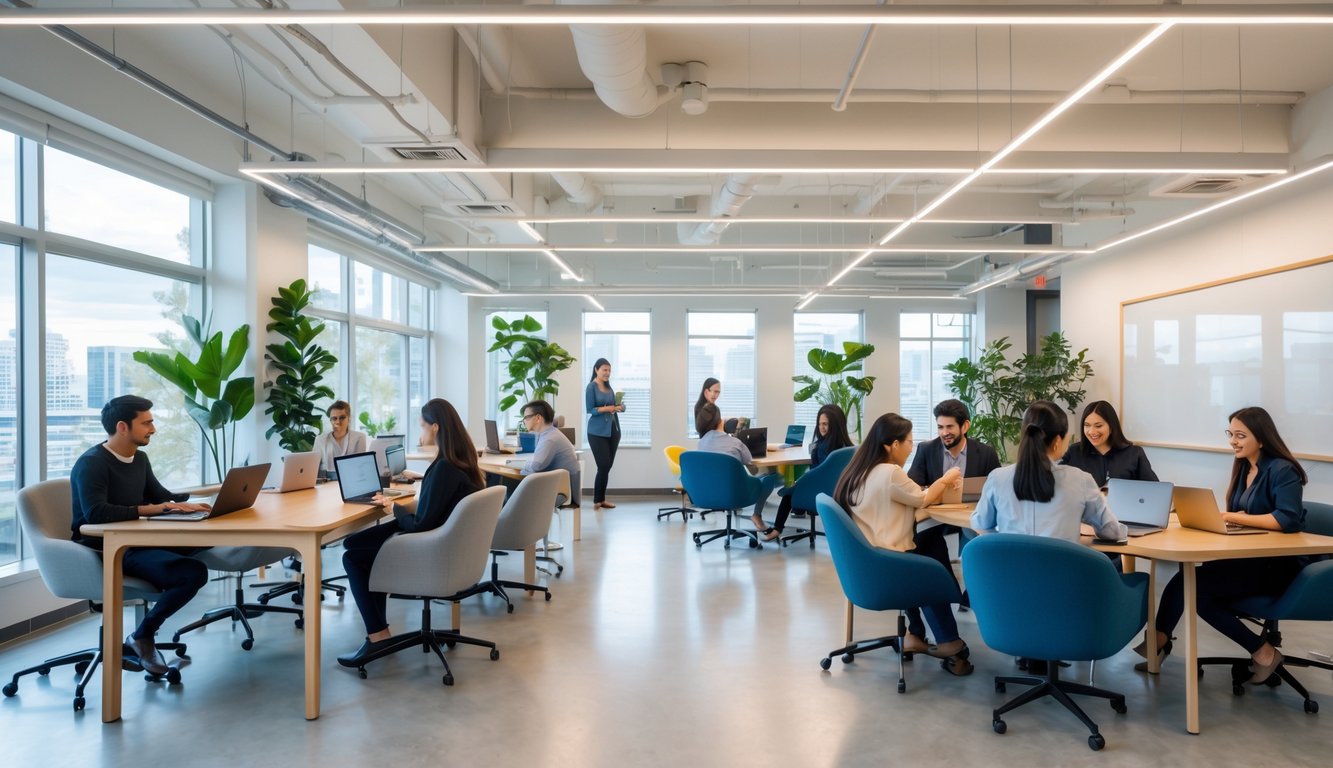
I focus on creating spaces where people can work comfortably, connect easily, and stay focused. The right mix of open desks, private areas, and shared spaces helps everyone find the environment that fits their task.
Zoning for Different Work Modes
I divide the coworking space into clear zones for different activities. For example:
| Zone Type | Purpose | Examples |
|---|---|---|
| Quiet Zones | Deep focus, minimal noise | Private booths, library-style seating |
| Collaboration Areas | Group work, brainstorming | Breakout zones, open desks |
| Community Areas | Socializing, casual meetings | Lounge, coffee bar |
Quiet zones keep distractions low. I place them away from high-traffic areas.
For collaboration areas, I use open desks and movable tables so teams can gather easily.
Community areas work best near entrances or kitchens, where people naturally pass by and connect.
Balancing Open and Private Areas
I aim for a mix of open desks and private offices so people can choose what works for them. Open desks encourage casual conversation and quick collaboration.
Private offices, meeting rooms, and conference rooms give members a place for calls or confidential work.
I also include private booths for solo calls. These take up less space than full offices but still offer privacy.
Too much open space can get noisy. Too many closed rooms can feel isolating. I keep a balance so members can switch between environments as needed.
Optimizing Flow and Flexibility
I design the layout so people can move easily between shared spaces and focused work areas. Wide walkways prevent bottlenecks, especially near common areas like kitchens and restrooms.
I place collaboration areas close to meeting rooms so teams can shift from informal talks to formal discussions without disrupting others.
Furniture that’s easy to rearrange makes the space adaptable. For example, I use lightweight tables and stackable chairs in breakout zones so they can host workshops one day and small group work the next.
Good flow keeps the space comfortable and reduces stress, which helps both productivity and collaboration.
Interior Design Essentials for a Dream Coworking Space
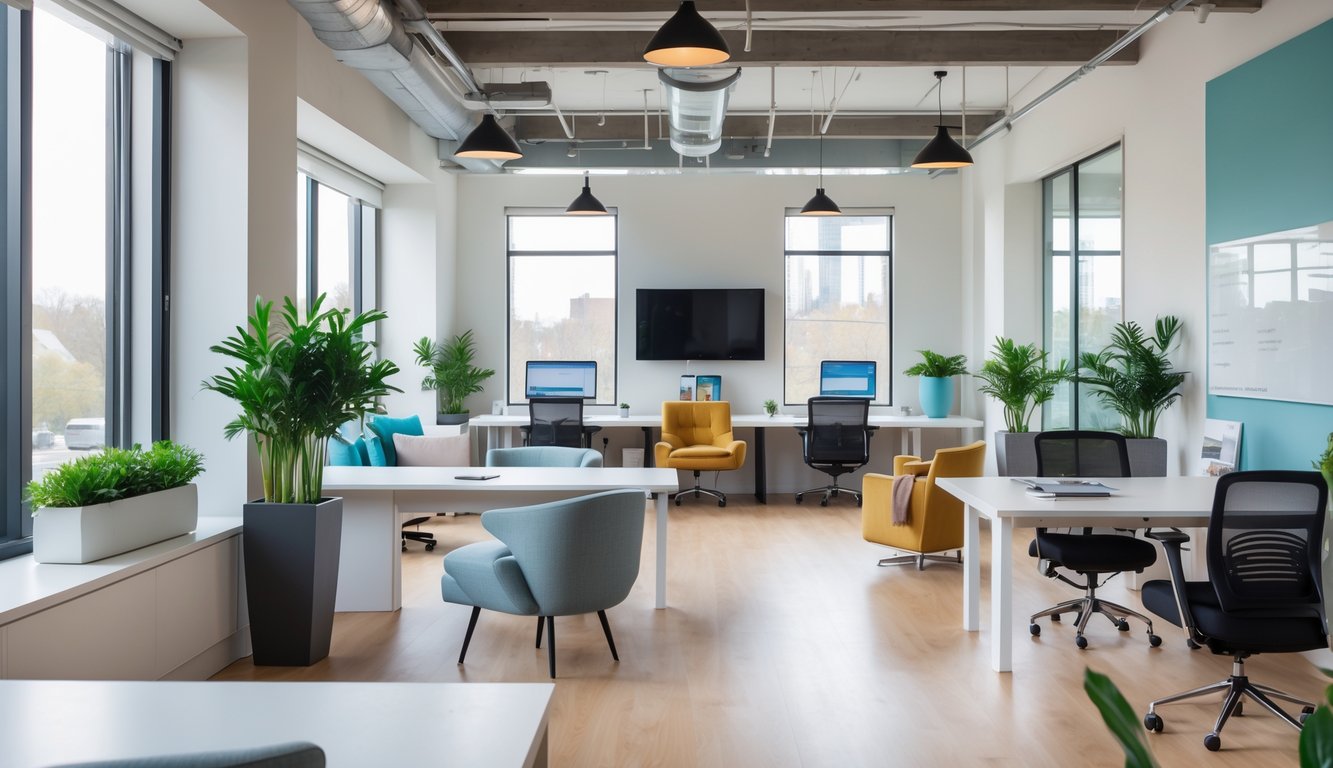
I focus on layouts and features that make work easier, more comfortable, and more flexible. The right mix of furniture, color, and adaptable elements helps people stay productive while enjoying the space.
Selecting Ergonomic and Comfortable Furniture
I always start with ergonomic furniture because it affects how long I can work without feeling sore or tired. A good chair supports my lower back, keeps my posture upright, and adjusts to my height.
I mix standing desks with regular desks so I can switch positions during the day. This keeps my energy up and reduces strain from sitting too long.
For breaks or casual work, I add lounge seating like cushioned chairs or sofas. These work well in lounge areas where I can relax or chat with others.
When I choose pieces, I check for:
| Feature | Why It Matters |
|---|---|
| Adjustable height | Fits different body types |
| Lumbar support | Reduces back strain |
| Quality padding | Prevents discomfort |
| Durable materials | Lasts longer with daily use |
Incorporating Colors, Textures, and Branding
I use colors that match the mood I want in the space. Soft blues and greens help me focus, while warm tones like yellow can make me feel more social.
Textures matter too. I mix smooth desks with soft fabrics on chairs and rugs to keep the space from feeling cold or sterile.
When I add branding, I keep it subtle but clear—like a logo on a wall or brand colors in accent pillows. This creates a sense of identity without overwhelming the design.
I’ve found that interior design choices that balance color, texture, and brand elements help keep the space professional yet inviting.
Using Modular and Flexible Elements
I like modular furniture because I can rearrange it when I need a different setup. Tables with wheels, stackable chairs, and movable partitions help me adapt the space for events, group work, or quiet focus.
Flexible layouts let me create collaborative zones or quiet areas without major renovations. For example, I can move lounge seating together for brainstorming sessions or spread it out for private work.
I also use foldable desks and nesting tables for quick storage. This keeps the space open and uncluttered when they’re not in use, making it easier for everyone to move around comfortably.
Maximizing Natural Light and Lighting Design
I bring as much daylight as possible into my workspace and balance it with the right artificial lighting. This keeps me alert, reduces eye strain, and creates a more comfortable environment for long hours of work.
Enhancing Productivity With Daylight
I place desks and seating near windows to maximize natural light. In small or shaded spaces, I use glass partitions or open layouts to let light move freely.
I choose light-colored walls and reflective surfaces to bounce light deeper into the room without causing glare. Removing heavy curtains and using sheer blinds also help increase daylight, as suggested by maximizing natural light in the workplace.
I keep windows clean and clear of large objects that block sunlight. Mirrors placed opposite windows brighten darker areas without extra lighting costs.
Layering Task and Ambient Lighting
I combine ambient lighting for overall brightness with task lighting for focused work. On cloudy days or after sunset, this mix keeps the workspace well-lit.
For ambient light, I use ceiling fixtures or wall-mounted lights that spread illumination evenly. For tasks like reading or computer work, I use adjustable desk lamps to direct light where I need it.
I choose the right color temperature for comfort and focus. Warm light (2700K–3000K) creates a cozy feel, while cooler light (4000K–5000K) helps me stay alert.
Creating Inviting Atmospheres
Lighting shapes mood as much as visibility. I use dimmable fixtures to adjust brightness based on the time of day or activity.
I add accent lighting such as LED strips under shelves or small table lamps for a softer glow. In coworking areas, I avoid harsh overhead lights and use several smaller sources to reduce shadows.
Mixing natural light with well-placed artificial light, like in biophilic workspace design, makes the space feel open and energizing.
Integrating Technology and Modern Amenities
I keep my coworking space running smoothly by providing fast, reliable internet, simple digital tools for room reservations, and easy access to charging. These details help people work without interruptions and trust the setup.
Ensuring High-Speed Internet and Connectivity
I start with high-speed internet that supports many users at once. Slow connections frustrate members and lower productivity.
I work with providers who guarantee consistent speeds and low downtime. To keep Wi-Fi strong everywhere, I place multiple access points throughout the space.
This setup prevents dead zones and ensures stable connections for video calls, uploads, and streaming. I offer both fast Wi-Fi and wired Ethernet ports for those who need extra stability.
Here’s a quick checklist I follow:
| Priority | Action |
|---|---|
| Speed | Minimum 200 Mbps per 20 users |
| Coverage | Access points in each zone |
| Backup | Secondary internet line for outages |
Smart Booking and Scheduling Systems
I use a smart booking system so members can reserve meeting rooms or desks easily. These tools prevent double bookings and save time.
I pick software that syncs across devices, following advice from Spacebring’s coworking space design guide. Members check availability, book, and get reminders from their phone or laptop.
I show digital room calendars outside meeting spaces so people can quickly see if a room is free. Automatic notifications alert members when a booking is about to start or end.
Key features I look for:
- Mobile-friendly interface
- Real-time updates
- Integration with Google or Outlook calendars
Providing Charging and Tech Tools
I put charging stations and outlets within easy reach of every seat. This includes USB ports, wireless charging pads, and standard sockets.
I provide tech tools like HDMI cables, adapters, and presentation remotes in labeled drawers for easy access. In meeting rooms, I install large displays with screen-sharing options for quick connections.
I keep spare keyboards, mice, and headsets available. These small touches improve the member experience and reduce downtime.
Fostering Community and Well-Being

I create spaces where people feel welcome, connected, and able to do their best work. I plan areas that encourage conversation, offer activities that spark ideas, and make sure the environment supports both health and comfort.
Designing for Networking and Collaboration
I make it easy for members to meet and work together by creating open layouts with shared tables and comfortable seating. These spaces allow both casual chats and focused teamwork.
I schedule networking events and workshops that match the community’s needs. For example, monthly skill-sharing sessions help freelancers learn from each other and form connections.
I place coffee and snack stations in central spots to encourage quick, friendly conversations. Even a round table near the kitchen can make people more likely to talk.
Hosting themed meetups or breakfast gatherings brings together people with similar goals. I use a simple sign-up sheet so members can suggest topics they care about.
Creating Inspiring Common and Social Spaces
I design common areas to feel relaxed but professional. Good lighting, plants, and warm colors make people want to stay and chat.
I add small touches that spark creativity, like a community bulletin board for sharing ideas or events. A bookshelf with design, business, and art books can also inspire fresh thinking.
Music at a low volume in social spaces sets a friendly mood. I keep the layout flexible so we can rearrange furniture for events or group activities.
A clear space for casual meetups means people don’t have to book a room just to talk. This keeps the coworking environment open and welcoming.
Supporting Wellness and Comfort
I add ergonomic chairs, adjustable desks, and plenty of natural light to support wellness. These features reduce strain and improve focus.
I provide a quiet room for short breaks or meditation. Even a small, calm space can help members recharge.
Healthy snacks, fresh fruit, and good coffee keep energy levels steady. When people feel cared for, they engage more with others.
I check temperature and air quality regularly so the space stays comfortable year-round. A well-maintained environment shows the community that their well-being matters.
Acoustics, Privacy, and Security Considerations
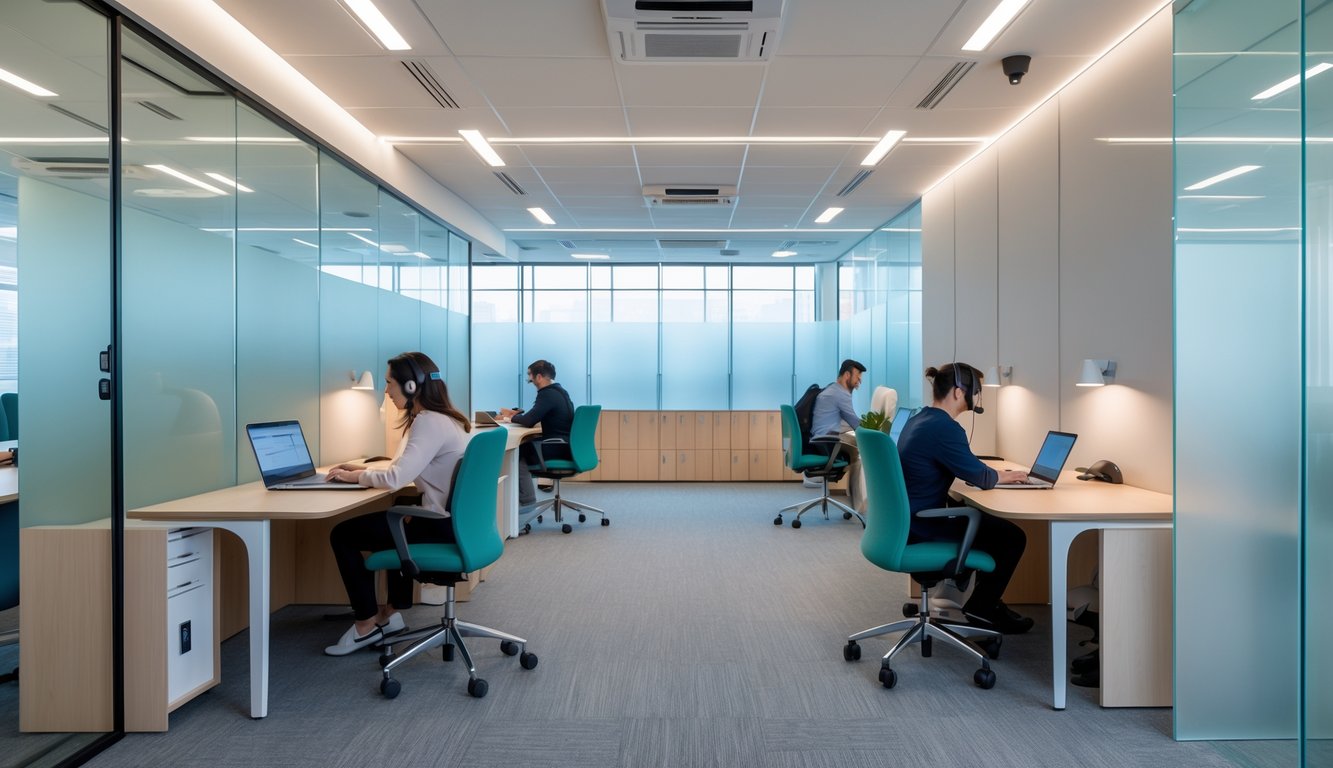
I create a space where people can work without unnecessary noise, feel safe, and have areas for private conversations. I plan for sound control, secure the building, and balance open collaboration with personal space.
Soundproofing and Quiet Areas
Noise can distract people in a coworking space, so I use soundproofing materials like acoustic panels, carpets, and ceiling baffles to reduce echo and block sound between rooms.
I set aside designated silent zones where phone calls and group discussions aren’t allowed. This gives members a reliable place to focus.
For meeting rooms, I install high sound insulation so private discussions stay private. I use door seals and double-glass partitions to cut down on sound leakage, as recommended in acoustic design tips for coworking spaces.
Soft furniture, curtains, and plants help absorb noise. I combine these with clear rules about noise levels so everyone respects the space.
Access Control and Safety
I use electronic access control systems so only members and authorized guests can enter. Keycards, mobile app entry, or PIN codes work well.
I place security cameras in entryways and common areas, but never in private rooms. Cameras help deter theft and allow me to review incidents if needed.
I make sure emergency exits are clearly marked and unobstructed. I check fire safety equipment like extinguishers and alarms regularly.
If members have 24/7 access, I combine it with real-time monitoring so I can respond quickly to any issues. This keeps the space welcoming and secure, as suggested in legal and privacy considerations for coworking spaces.
Balancing Openness With Privacy
I want people to feel connected and still have privacy. I design layouts with open desks for collaboration and enclosed booths for focused work.
Glass walls let in light while separating spaces. Frosted or tinted sections keep sensitive work out of view.
For phone calls, I add small soundproof pods so conversations don’t disturb others. I keep shared areas away from private offices to reduce interruptions.
By mixing open and private zones, I let members choose how they want to work without losing comfort or confidentiality. This approach keeps the space vibrant and professional.
Incorporating Nature and Sustainable Elements
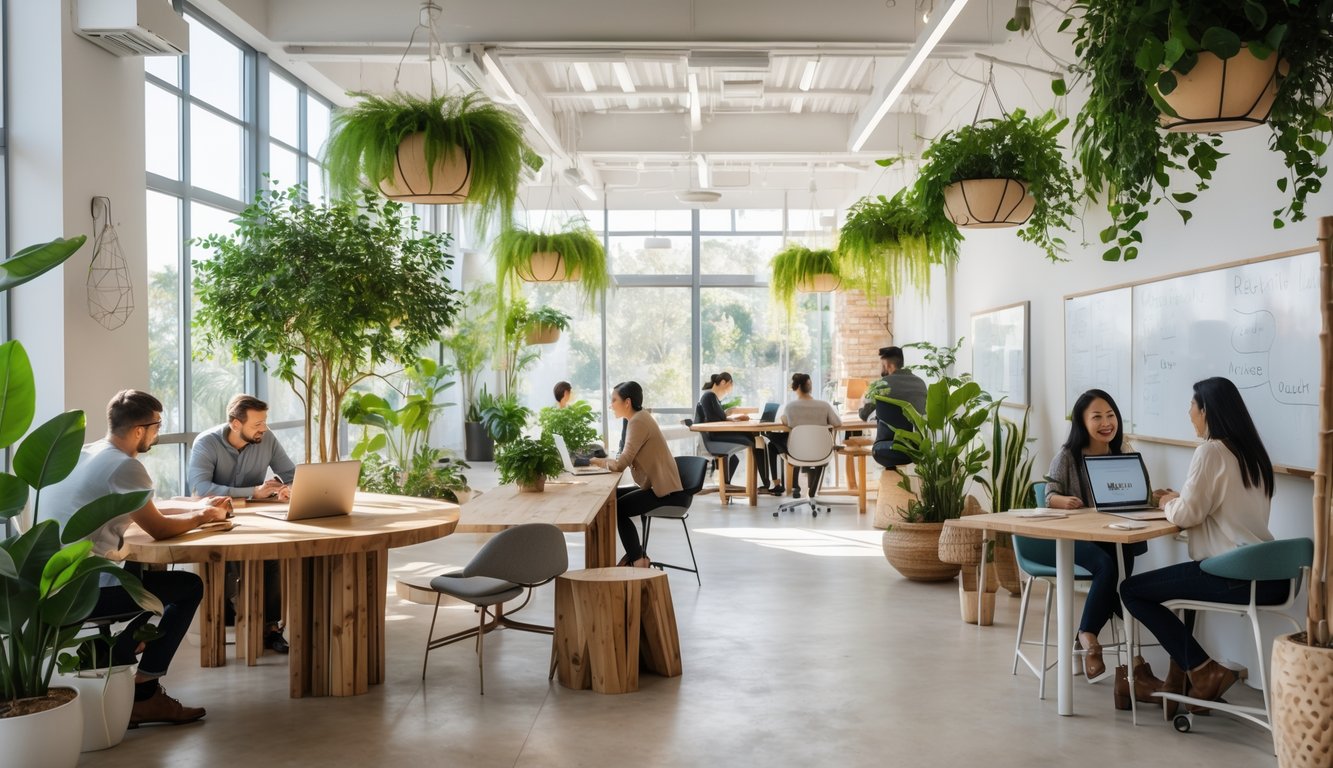
I create workspaces that feel fresh, healthy, and responsible. I add natural touches that improve air quality, reduce waste, and make the environment more inviting for everyone.
Adding Indoor Plants and Greenery
I’ve found that indoor plants make a big difference in how a coworking space feels. They help clean the air and add a calming touch.
Even a few potted plants on desks or shelves can make the space more welcoming. I use a mix of low-maintenance plants like snake plants, pothos, or ZZ plants.
These plants thrive in different light conditions and don’t need constant care. For larger areas, I like adding living walls or vertical gardens.
Living walls save floor space and bring a strong visual impact. Here’s a quick list of plants I recommend:
| Plant Name | Light Needs | Care Level |
|---|---|---|
| Snake Plant | Low to medium | Easy |
| Pothos | Low to bright | Easy |
| Peace Lily | Low to medium | Moderate |
I place plants near natural light sources when possible. This keeps them healthy and reduces the need for artificial lighting.
Using Natural Materials
I prefer using natural materials like wood, bamboo, and stone for furniture and finishes. These materials last longer, age well, and give the space a warm, organic feel.
When I choose wood, I look for reclaimed or sustainably sourced options. This reduces the demand for new resources and keeps older materials out of landfills.
For fabrics, I pick cotton, linen, or wool instead of synthetic blends. They’re breathable and often more comfortable for everyday use.
I’ve noticed that using natural textures helps reduce the sterile feeling that some offices have. A wooden desk or bamboo partition adds character without overwhelming the design.
Promoting Environmental Responsibility
I encourage everyone in the coworking space to be mindful of their environmental impact. Simple steps like adding clearly labeled recycling bins make it easier for members to sort waste correctly.
I install energy-efficient lighting and use motion sensors in less-used areas. This cuts down on electricity use without affecting comfort.
When possible, I choose renewable energy options such as solar panels. Many states offer incentives and rebates for this investment, as noted in sustainable coworking tips.
I encourage members to bring reusable cups, bottles, and utensils. Providing filtered water stations makes this habit more convenient.
Budgeting and Managing Expenses

I keep my coworking space financially healthy by tracking every cost and planning purchases carefully. I make sure my spending matches my income.
I focus on startup costs, day-to-day expenses, and setting aside money for future improvements.
Estimating Initial Investment
When I planned my space, I created a clear list of one-time startup expenses. These included:
| Expense Category | Example Costs |
|---|---|
| Lease deposit | First and last month’s rent |
| Renovations | Painting, flooring, lighting |
| Furniture | Desks, chairs, storage |
| Technology | Wi-Fi setup, printers, security cameras |
I researched local rental rates and renovation prices before committing. Using tools like this coworking space cost breakdown helped me avoid surprises.
I added a 10–15% buffer for unexpected costs like permit delays or extra equipment. This kept me from running short before opening day.
Optimizing Operational Costs
Once the doors opened, I focused on monthly recurring expenses. These included rent, utilities, cleaning, internet, and staff wages.
I reviewed my bills every quarter to spot savings. For example, I switched to energy-efficient lighting and negotiated better internet rates.
Here’s how I kept costs under control:
- Automated energy use with smart thermostats.
- Shared equipment instead of buying multiples.
- Outsourced cleaning to a part-time service instead of full-time staff.
I tracked my spending with simple accounting software so I could see trends and adjust quickly.
Planning for Growth and Upgrades
I set aside a portion of my monthly revenue for future upgrades. This approach let me add new amenities without taking on debt.
When I noticed demand increase, I invested in more desks. I also upgraded the coffee area.
I planned for tech improvements like faster internet and better conferencing tools.
I kept a priority list to identify which upgrades would bring the most value. This strategy helped me spend more wisely and avoid waste.