The coworking industry is changing quickly, and AI plays a big role in that shift. Smart booking systems and automated access control make it easier to run a space and give members a smoother experience.
AI and automation help you manage resources, improve efficiency, and build a more connected community without extra workload.
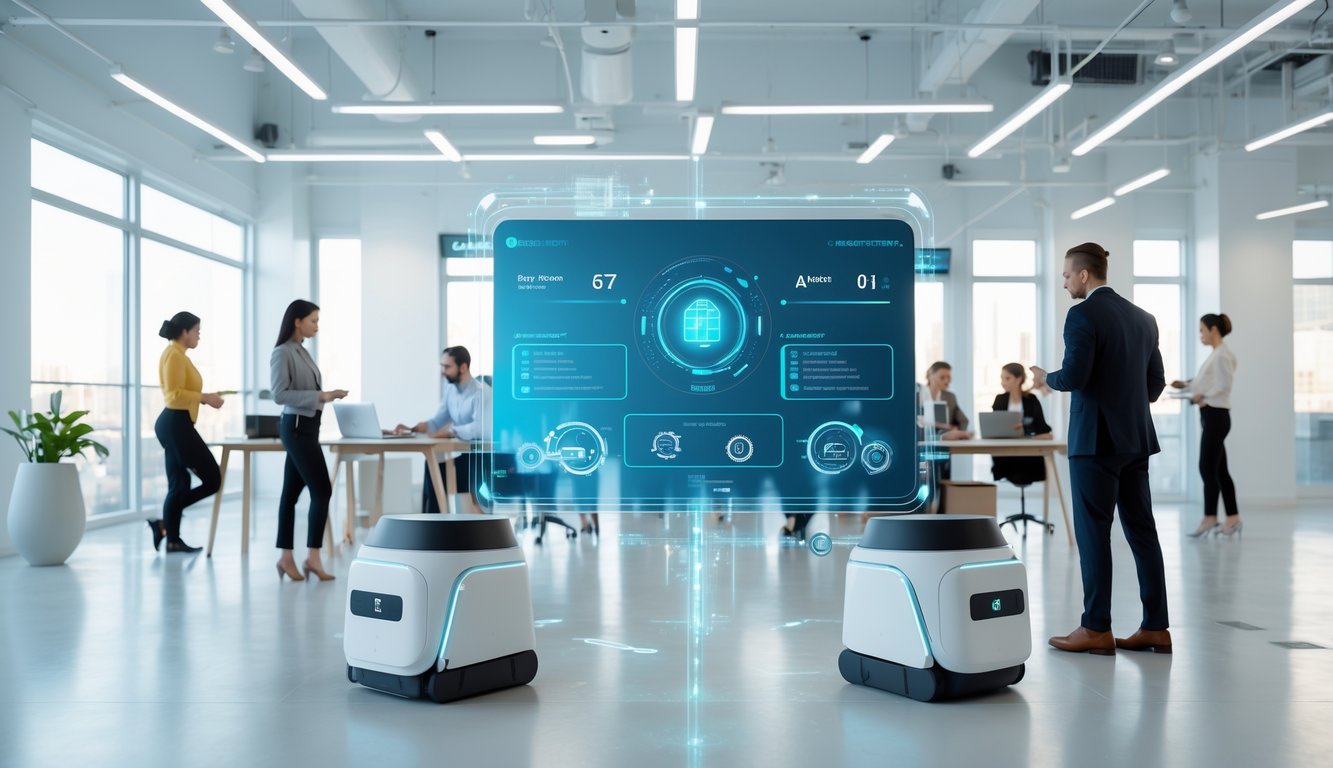
I use AI tools to track space usage, predict peak hours, and suggest better layouts for shared areas. Platforms like Optix and Yardi Kube automate repetitive tasks so I can focus on building community.
These tools support people instead of replacing them. Automated systems welcome guests, manage memberships, and keep spaces secure, while I focus on relationships and collaboration.
This balance between technology and human connection shapes the future of coworking in practical ways.
How AI and Automation Are Transforming Coworking Space Management
Coworking spaces use artificial intelligence and automation to make operations smoother and improve the member experience. These tools manage bookings, security, and communication while giving operators better data for decisions.
The Role of Artificial Intelligence in Coworking
I use AI tools to handle tasks that once required constant attention. AI-powered booking systems suggest the best available desk or meeting room based on a member’s past preferences.
Some spaces use chatbots to answer common questions instantly. Members get quick help without waiting for staff.
AI tracks how different areas of the space are being used. This data helps me adjust layouts or resources to match demand.
Sometimes, AI predicts peak times so I can plan staffing and services more effectively. I also use AI to recommend events or introductions between members who could benefit from connecting.
This makes the coworking space feel more personal and connected.
The Impact of Automation on Daily Operations
Automation handles repetitive and time-consuming tasks. For example, coworking spaces use automated access control so members can enter with a mobile app or key card at any time.
Billing and invoicing run automatically, reducing errors and ensuring payments happen on time.
Maintenance scheduling uses sensor data, like when printers need supplies or meeting rooms need cleaning.
Operators automate lighting, heating, and cooling based on occupancy. This saves money and makes the environment more comfortable.
With these manual steps removed, I can focus on building relationships with members.
Key Benefits for Coworking Operators and Members
AI and automation improve efficiency and reduce costs for operators. I can manage more members with fewer staff hours and keep service quality high.
Members get faster responses, easier booking, and a smoother experience. They can find available spaces, pay bills, and access the building without delays.
Here’s a quick breakdown of benefits:
| Benefit | For Operators | For Members |
|---|---|---|
| Time savings | Less manual work | Faster service |
| Cost control | Lower overhead | Stable pricing |
| Better use of space | Data-driven planning | More availability |
| Improved experience | Streamlined processes | Personalized services |
Optimizing Space Utilization and Resource Management
I use AI tools to make better use of every desk, meeting room, and shared area. These systems track occupancy, predict demand, and keep resources in good working order.
Smart Booking and Scheduling Systems
I rely on AI-powered booking platforms to manage desk and room reservations in real time. These tools prevent double bookings and make it easy for members to find the space they need.
A meeting room booking system can release unused reservations if no one checks in within a set time. This keeps spaces available for others.
Some systems integrate with calendars and messaging apps. Members can book a spot without logging into a separate platform.
Using data from past bookings, I adjust availability during peak and quiet times. This helps avoid overcrowding and ensures better space utilization.
Predictive Analytics for Space Allocation
With predictive analytics, I see patterns in how people use the space. AI analyzes occupancy rates and booking trends to forecast demand.
If certain desks are always free in the mornings but full in the afternoons, I adjust the layout or booking rules. This ensures every area is used effectively.
I use these insights to plan for special events or high-demand periods. For example, before a local tech conference, I open more hot desk spots for short-term visitors.
By anticipating needs, I avoid empty areas and overcrowding. This keeps the coworking space comfortable for everyone.
Efficient Resource Allocation and Maintenance
AI tracks equipment usage, from printers to coffee machines. When I see a resource is used more often, I schedule maintenance before it breaks.
This predictive maintenance saves time and reduces downtime. I also monitor energy use, adjusting HVAC and lighting based on occupancy.
Smart systems switch to energy-saving mode when areas are empty, lowering costs without affecting comfort. For shared tools like projectors or whiteboards, I use booking systems similar to room scheduling.
This ensures fair access and prevents conflicts. By combining usage data with maintenance schedules, I keep resources in good condition and avoid unnecessary replacements.
This approach improves resource management and keeps members happy.
Enhancing Member Experience Through AI
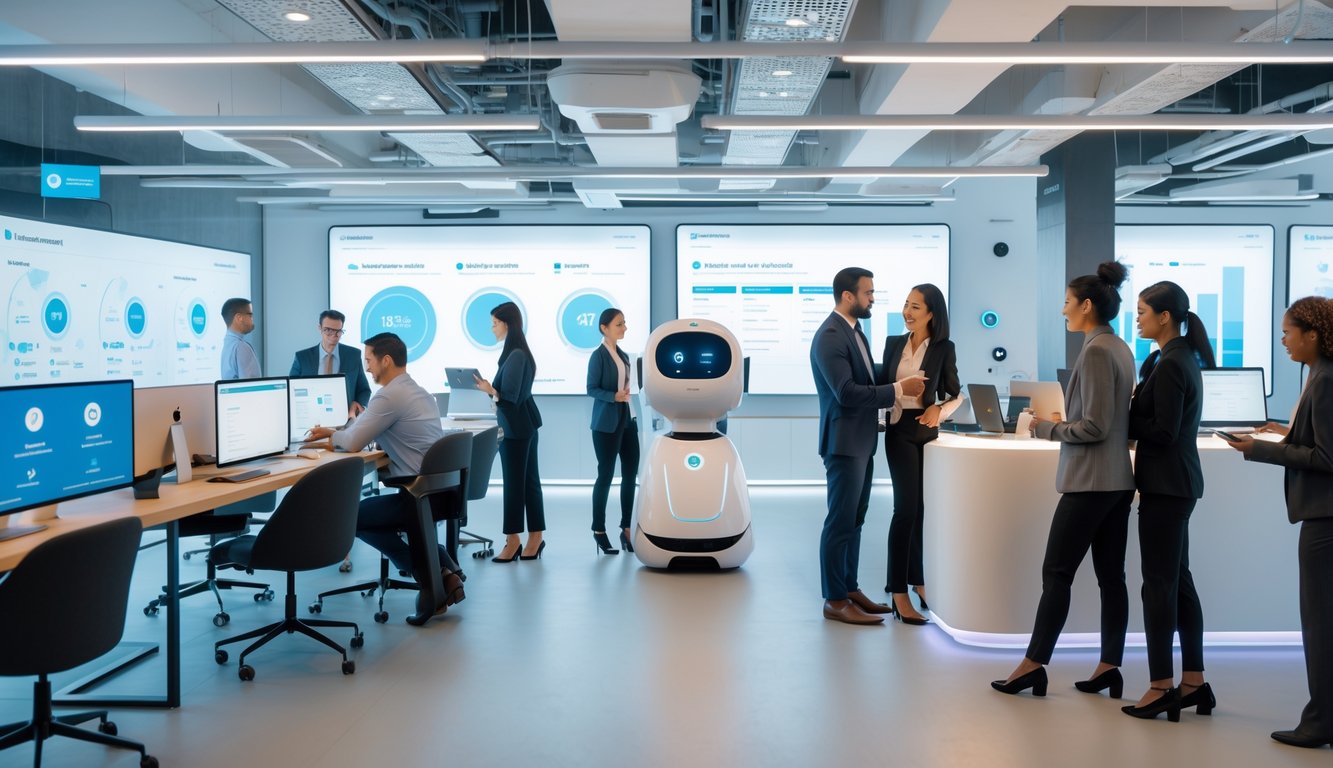
I use AI tools in my coworking space to make daily interactions smoother and more personal. These tools help me understand member needs and give faster, more accurate support.
Personalized Experiences and Recommendations
I track how members use the space so I can offer relevant suggestions. For example, if someone often books a meeting room on Mondays, I remind them to reserve it in advance.
AI suggests events, workshops, or networking opportunities based on a member’s past activity. This helps them connect with others who share their interests.
AI-powered coworking systems can adjust lighting, temperature, and desk availability to match personal preferences. This makes the space comfortable and tailored to each person.
Benefits I’ve noticed:
- Members feel recognized and valued
- Increased event participation
- Better use of shared resources
Automated Member Onboarding
When new members join, I want them to feel welcome without overwhelming them. AI onboarding tools guide them step-by-step through account setup, space rules, and booking systems.
Instead of sending long emails, I use short, interactive tutorials that adapt to each person’s pace. They only see the information they need at the right time.
Using automation in coworking onboarding also reduces errors. Access cards and Wi-Fi credentials are issued automatically once registration is complete.
Key onboarding tasks AI can handle:
- Account creation and verification
- Automated welcome messages
- Guided booking and payment setup
Virtual Assistants and Chatbots for Support
I use chatbots and virtual assistants to answer common questions instantly. This includes booking help, troubleshooting Wi-Fi, or finding available desks.
These tools work 24/7, so members get quick answers even outside staffed hours. If a request is complex, the system passes it to me or my team with all the details included.
With AI chatbots in coworking spaces, I see fewer repetitive questions in my inbox. This frees up time to focus on improving the space.
What members like most:
- Fast response times
- Clear, accurate answers
- Support available any time
Strengthening Community and Networking Opportunities

I use AI tools in my coworking space to match people with shared interests, track engagement, and create events that feel relevant. This helps members connect, share skills, and work together productively.
AI-Driven Community Building
I rely on AI to help me understand member preferences. By looking at booking patterns, event attendance, and communication habits, I see what topics and activities spark interest.
AI can suggest small group meetups for people who work in similar industries. It also recommends introductions between members with complementary skills.
I use platforms that automate event reminders and follow-ups. This keeps participation high without manual messages.
AI helps me measure the success of community programs. I track how many connections form after events or how often members collaborate afterward.
This data makes it easier to adjust and improve activities.
Facilitating Collaborative Environments
Creating a collaborative environment takes more than open seating. I use AI to optimize layouts based on how people use the space.
If an area is popular for brainstorming, I add whiteboards or extra seating there. AI-powered scheduling tools help me manage meeting rooms efficiently.
Members see availability in real time and book instantly, reducing conflicts. Some systems suggest the best meeting times based on attendee calendars.
AI also recommends networking opportunities by analyzing skills in member profiles. This makes it easier for people to find project partners.
Supporting Freelancers and Startups
Freelancers and startups often join coworking spaces to find clients, partners, or mentors. I use AI to make this process smoother.
AI highlights potential clients within the community for freelancers. It suggests events where they’re likely to meet decision-makers.
Startups get AI-curated introductions to investors, service providers, or other founders. Some tools send alerts when a new member joins who fits a specific collaboration profile.
I also use AI to recommend resources like workshops or funding opportunities. This keeps members informed without overwhelming them.
By combining these tools with personal interaction, I make networking more intentional and less time-consuming.
Improving Security and Access Control
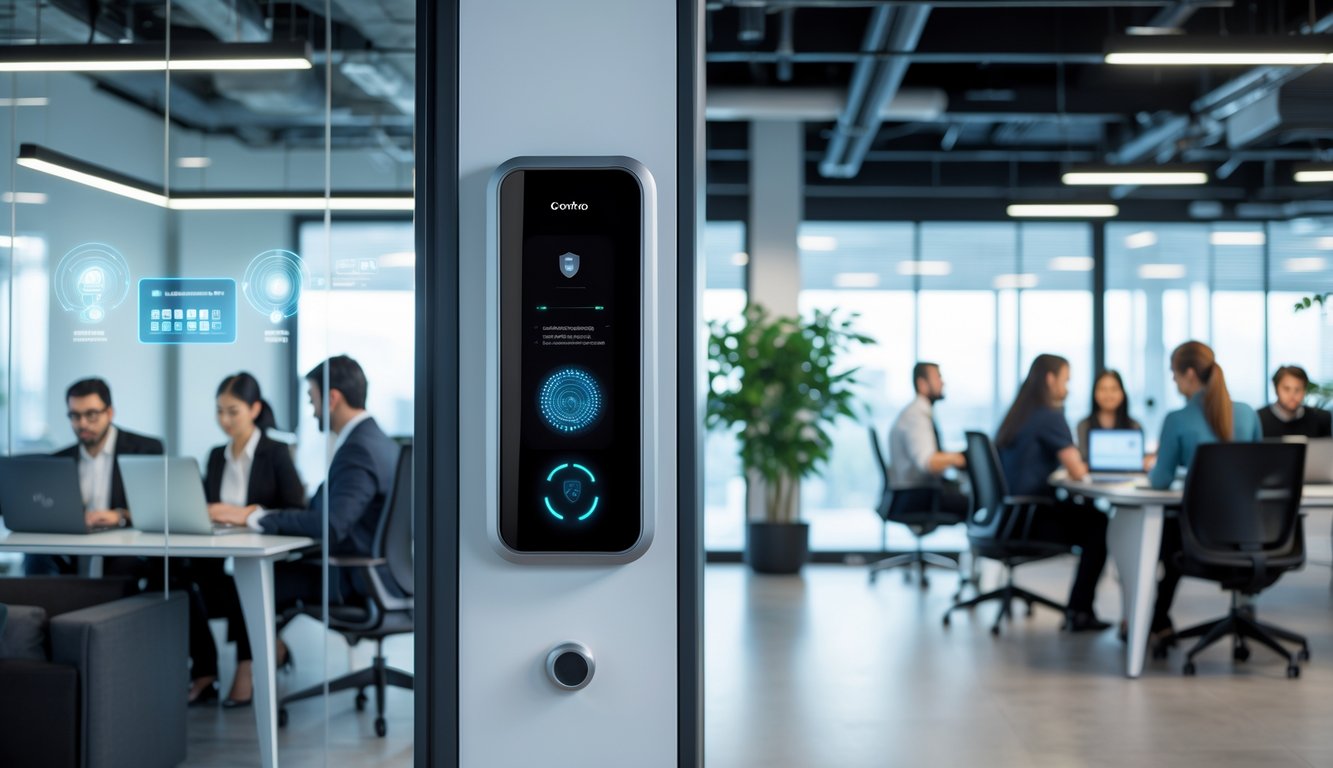
I use secure entry systems to protect members, equipment, and data in coworking spaces. Good security tools let me decide who enters, when they enter, and how they move through the building.
These systems also reduce manual checks and make entry smoother for everyone.
AI-Powered Access Systems
I manage entry points with AI-powered access control, so staff do not need to supervise constantly. These systems connect with mobile apps, key cards, or biometric scans to check identities quickly.
With real-time monitoring, I see who is in the space at any moment. If someone tries to enter without permission, the system sends me an alert right away.
This lets me respond fast to stop unauthorized access.
AI tools learn entry patterns. For example, if a member usually works from 9 a.m. to 5 p.m., the system flags unusual late-night entries.
This pattern recognition keeps daily access simple for regular users and improves safety.
Some solutions, like those in AI security for coworking operators, connect with cameras and alarms. I can manage everything from one dashboard.
This setup means I do not need separate security systems.
Facial Recognition and Enhanced Security
I use facial recognition to make check-ins quick and secure. Members do not need keys or cards, which can get lost or shared.
The system matches their face to stored data before unlocking the door.
This technology protects sensitive areas like server rooms or private offices. Only approved faces can enter, and the system logs every entry with a time stamp.
Facial recognition works with AI analytics. If the system spots a mismatch or someone tries to bypass the camera, it locks the door and notifies me right away.
Some coworking spaces combine this with automated access control for extra security. If one method fails, another still protects the space.
Sustainability and Environmental Impact
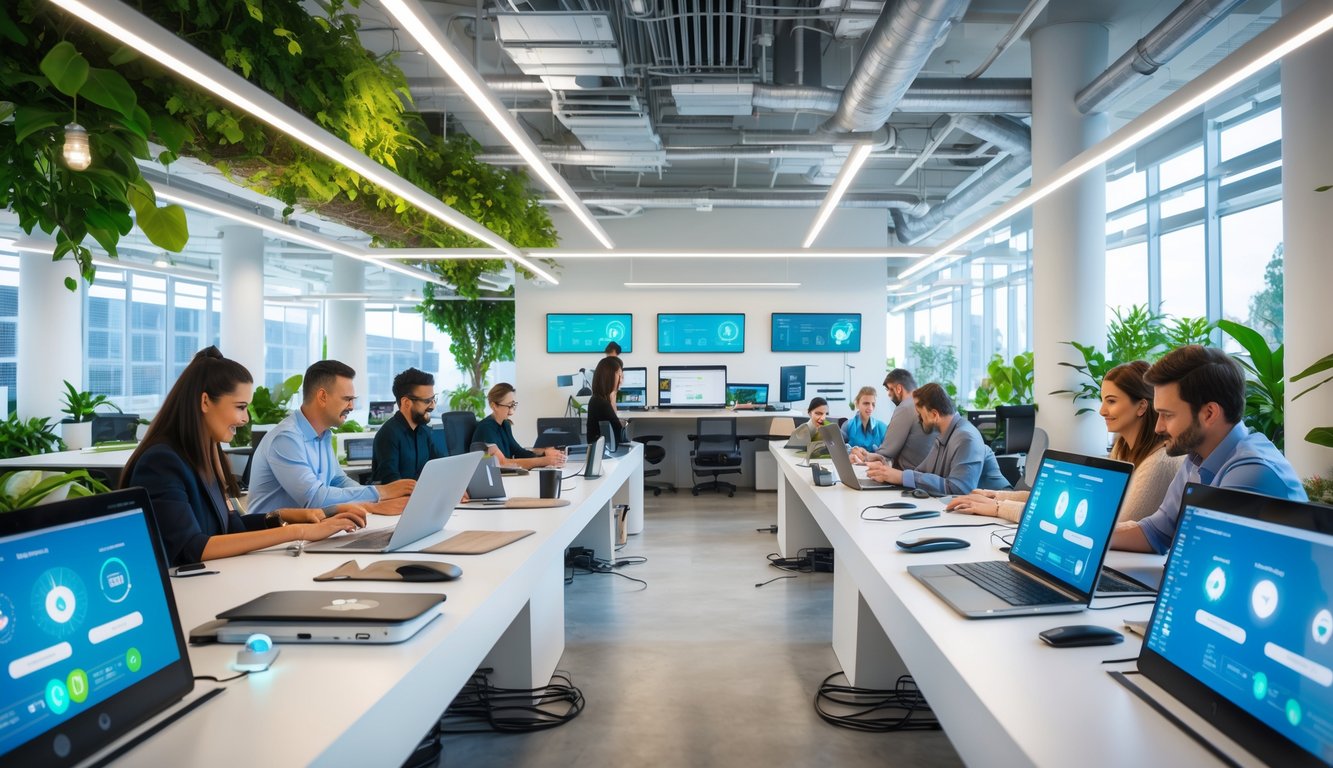
I work to make coworking spaces more efficient and lower their environmental impact. By using AI and automation, I cut energy waste and manage resources better.
This helps create a workspace that supports long-term sustainability.
Energy Efficiency in Coworking Spaces
I use AI-driven systems to track how people use different areas. This lets me adjust lighting, heating, and cooling in real time based on occupancy.
If a meeting room is empty, the system turns off the lights and lowers the HVAC output.
Smart energy tools also learn patterns over time. They predict when areas will be busy and prepare the space in advance.
This prevents energy waste during low-traffic hours.
Here’s a quick look at the benefits:
| Action | Impact |
|---|---|
| Automated lighting control | Cuts electricity use |
| Smart HVAC scheduling | Lowers heating/cooling costs |
| Occupancy-based adjustments | Reduces waste |
Some coworking operators use AI to optimize HVAC systems, like AI-powered environmental controls that adjust settings based on real-time data.
This keeps energy use efficient without losing comfort.
Reducing Environmental Footprint with Automation
I use automation to manage resources and cut waste. For example, automated booking systems stop unused rooms from staying powered and climate-controlled all day.
Waste tracking tools show where supplies like paper, coffee cups, or cleaning products are overused. I adjust purchasing and storage to match real demand.
Automation also helps by working with renewable energy systems. If solar power is available, the system uses it during peak sunlight hours before switching to the grid.
By using these methods, I keep the coworking space’s carbon footprint small while making it functional and welcoming.
This matches modern sustainable coworking practices that value efficiency and responsibility.
Data-Driven Decision-Making and the Future of Coworking

I use real-time data to run coworking spaces more efficiently. By tracking space usage, member feedback, and operational costs, I make better decisions for members and the business.
Leveraging Analytics for Business Growth
I analyze data from booking systems, Wi-Fi usage, and member surveys to see how people use the space. This shows me which areas are busy, which are underused, and when peak times happen.
With tools like occupancy heatmaps and revenue dashboards, I can adjust pricing, rearrange layouts, or add services where demand is highest.
Data also helps me with marketing. When I know which membership plans are popular, I focus promotions there.
If I understand why members leave, I fix those issues quickly.
Platforms for data-driven coworking make it easier to spot trends and act before problems grow.
This turns information into clear actions that help the business grow.
Preparing for the Future of Work
Work is changing fast. I need to adapt my coworking space to match.
Remote work, hybrid schedules, and flexible teams are now common. I plan layouts and services with flexibility in mind.
AI tools help me predict future demand. They analyze booking patterns and member preferences.
These insights help me plan staffing, furniture, and technology upgrades in advance.
I also use information from AI-powered coworking trends. This helps me prepare for new needs, like better video conferencing rooms or more private work pods.