I’ve watched coworking spaces grow from small shared offices into major parts of city life. They’re no longer just places to work; they influence how neighborhoods grow and how people connect.
Coworking spaces now shape urban planning by blending flexible work models with the needs of modern cities.

When I walk into a thriving coworking hub, I see more than desks and Wi-Fi. These spaces help urban planners rethink zoning and public transport.
They turn old buildings into active centers that bring people, ideas, and local businesses together.
This shift isn’t just about work—it’s about how we live in cities. Coworking spaces boost local economies and promote sustainable design.
They are becoming a bridge between work life and urban life.
Coworking Spaces: Definition and Evolution
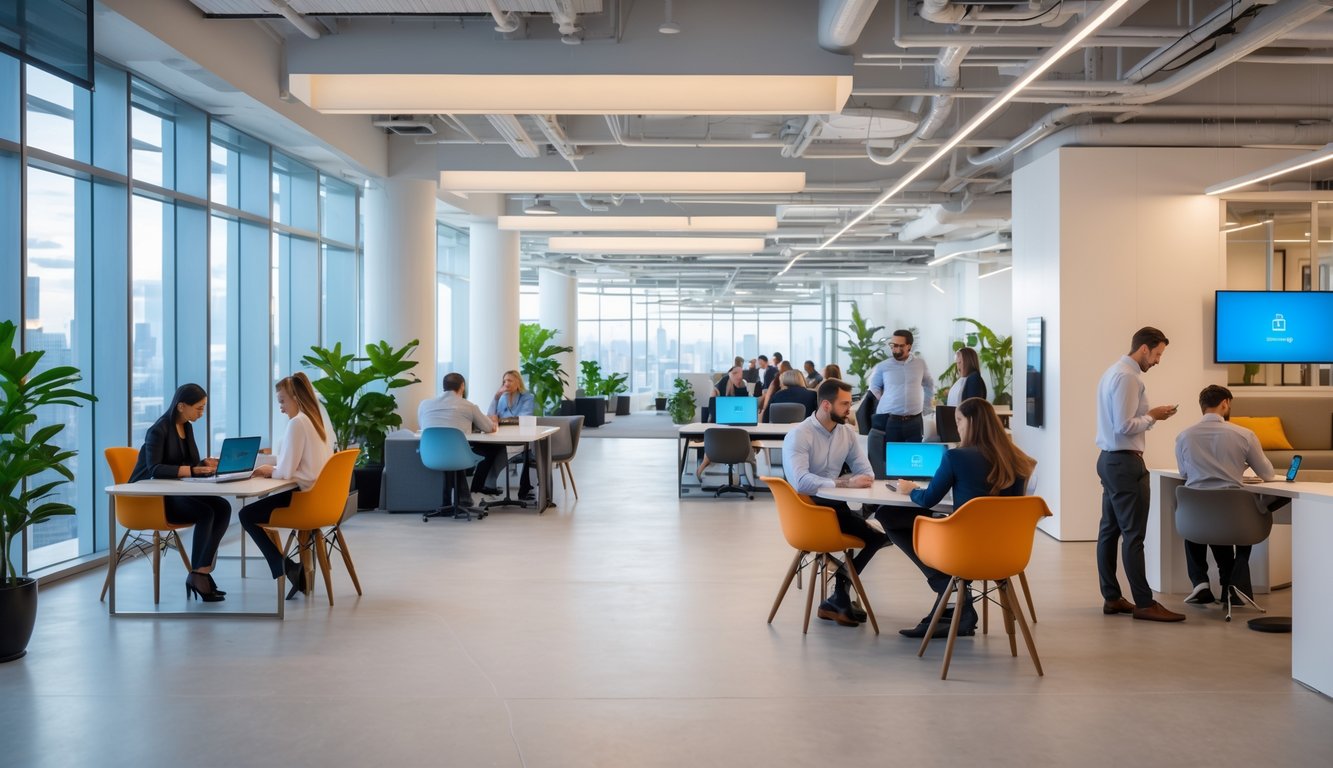
I’ve seen coworking spaces grow from small offices into important parts of many urban environments. They now serve freelancers, startups, and large companies looking for flexible ways to work in cities.
What Are Coworking Spaces?
Coworking spaces are shared workspaces where people from different companies work alongside each other. These spaces usually provide desks, meeting rooms, internet, and other office essentials.
They often use short-term memberships instead of long leases. This makes them attractive for people who need flexibility.
Many coworking spaces focus on community. They host events and networking sessions to help members connect.
Some even specialize in certain industries, like tech or design.
Historical Growth in Major Cities
The first modern coworking space opened in San Francisco in 2005. The concept quickly spread to cities like New York, London, and Berlin.
Urban environments played a big role in this growth. High commercial rents made shared workspaces a practical choice for small businesses.
Remote work trends also fueled demand. By the mid-2010s, coworking became mainstream.
In cities such as Tokyo and Paris, spaces began to appear near transit hubs for easy access. Demand continues to rise as companies downsize traditional offices.
Key Players and Models
A few big names dominate the coworking market, such as WeWork, Regus, and Spaces. These companies operate in multiple countries and offer large networks of locations.
Smaller local operators often focus on community-driven models. Business models vary:
| Model Type | Features | Example Use Case |
|---|---|---|
| Hot Desk | Flexible seating, daily or monthly passes | Freelancers |
| Dedicated Desk | Assigned desk, personal storage | Small teams |
| Private Office | Enclosed space for a company | Startups needing privacy |
Some operators target niche markets, such as women-only workspaces or creative studios. Others focus on creating vibrant hubs that influence traditional office culture.
The Role of Coworking in Urban Planning
Coworking spaces shape how cities use buildings, manage transportation, and plan for community needs. They affect where people work and how neighborhoods grow or recover.
Integration with Urban Development
Coworking spaces often reuse existing buildings instead of building from scratch. This reduces construction waste and keeps the city’s character intact.
Many city planners now include shared work hubs in mixed-use projects. These developments combine housing, retail, and offices in one area, which can lower commuting needs and support local businesses.
Some cities update zoning rules to make it easier to open coworking spaces in residential or commercial districts. This flexibility helps meet demand without overloading infrastructure.
Coworking spaces can act as anchors in underused districts. They attract cafes, shops, and services that bring more daily activity.
Influence on City Regeneration
Coworking spaces bring people and investment back into neglected areas. I’ve visited neighborhoods where a single shared workspace sparked new restaurants and public events.
Developers have turned vacant warehouses or offices into vibrant coworking hubs. This often costs less than new construction and can preserve historic architecture.
These spaces create opportunities for local talent. Freelancers, startups, and small firms gain access to professional facilities without leaving their community.
Cities aiming for growth often support coworking projects through grants or partnerships. This helps speed up the recovery of areas hit by economic decline.
Strategic Location and Mobility
Location is critical for coworking success and urban mobility planning. Spaces near public transit reduce the need for car travel and help cut congestion.
Planners look for sites within walking or cycling distance of housing and amenities. This supports healthier lifestyles and lowers transportation costs for workers.
Some coworking operators partner with local transit agencies to offer discounted passes or shuttle services. This makes the workspace more attractive and encourages sustainable travel habits.
By placing coworking hubs in accessible spots, cities can spread out work activity. This can ease rush-hour pressure and make urban movement more efficient.
Economic and Social Impacts on Urban Environments

Coworking spaces can change the way a city feels and functions. They bring new customers to nearby shops and create fresh opportunities for economic activity.
These spaces also give people more ways to connect with each other in their daily lives.
Supporting Local Businesses
When a coworking space opens, it attracts workers who spend money in the area. More people visit coffee shops, restaurants, and convenience stores during the day.
Coworking spaces often partner with local vendors for catering or events. That means more contracts for small businesses.
In some cities, coworking hubs help revive older commercial areas by bringing foot traffic back to quiet streets. This can make the neighborhood safer and more inviting.
Research shows coworking spaces can help revitalize neighborhoods by filling unused buildings and drawing in steady streams of customers for nearby shops.
Driving Economic Growth
Coworking spaces help individual businesses and can boost the wider economy. They attract startups, freelancers, and remote workers who might otherwise work from home or leave the city.
By offering affordable, flexible work areas, they lower the barrier for new entrepreneurs. This can lead to more small companies forming and hiring locally.
Some cities use coworking as part of their economic strategy. Urban planners may encourage them in redevelopment zones to stimulate investment and job creation.
Coworking spaces also host networking events, workshops, and training sessions. These activities help people learn skills and grow their businesses, which can lead to more economic activity in the urban environment.
Fostering Community and Social Interaction
Coworking spaces often create a sense of belonging for people who might otherwise feel isolated at work. They encourage casual conversations, shared lunches, and collaboration between people from different industries.
Many spaces organize social events or cultural activities. This helps build connections between members and the surrounding community.
Studies show coworking spaces can strengthen social engagement by giving residents more chances to meet and collaborate.
These interactions can improve quality of life in the area. Stronger community ties often mean people are more likely to support local initiatives and invest in keeping the urban environment vibrant.
Coworking Spaces as Hubs for Innovation and Collaboration
Coworking spaces bring together people from different fields. They create environments where ideas and resources flow easily.
These spaces often connect skilled professionals, new business founders, and creative thinkers in ways that traditional offices rarely do.
Networking Opportunities
When I work in a coworking space, I meet people I wouldn’t normally cross paths with. Designers, developers, marketers, and consultants often share the same space.
This mix makes it easier to start conversations that lead to useful contacts. Many coworking spaces organize member events such as:
- Weekly coffee meetups
- Skill-sharing workshops
- Industry-specific panels
These events help me build relationships that can turn into collaborations or client work.
Some spaces also use online member platforms, so I can connect with others even when I’m not on-site. This hybrid networking approach makes it easier to maintain professional relationships over time.
Attracting Entrepreneurs and Startups
I’ve noticed that coworking spaces often attract entrepreneurs and small startup teams. They offer affordable access to professional facilities without requiring a long-term lease.
Early-stage companies rely on this flexibility. They can scale their space needs up or down as their team changes.
Coworking spaces give startups access to shared resources like:
| Resource | Benefit |
|---|---|
| Meeting rooms | Host clients professionally |
| High-speed internet | Support remote collaboration |
| Business address | Improve credibility |
Some spaces partner with local business groups or investors. For example, certain hubs highlighted by The Coworking Spaces host pitch events where founders present to potential backers.
Encouraging Collaboration and Creativity
In my experience, coworking spaces make collaboration easy. Open layouts, shared lounges, and communal tables encourage casual interactions.
When I work alongside people from different industries, I get perspectives I wouldn’t have considered on my own. This often leads to creative problem-solving.
Some spaces foster innovation by hosting hackathons, design sprints, or themed project days. Staytion’s article on urban revitalization notes that bringing together diverse skills in one place can result in practical, innovative solutions to real-world challenges.
Coworking spaces create an environment where people feel comfortable sharing ideas. This makes it easier for me to collaborate and produce better work.
Flexible Working Models and Urban Living
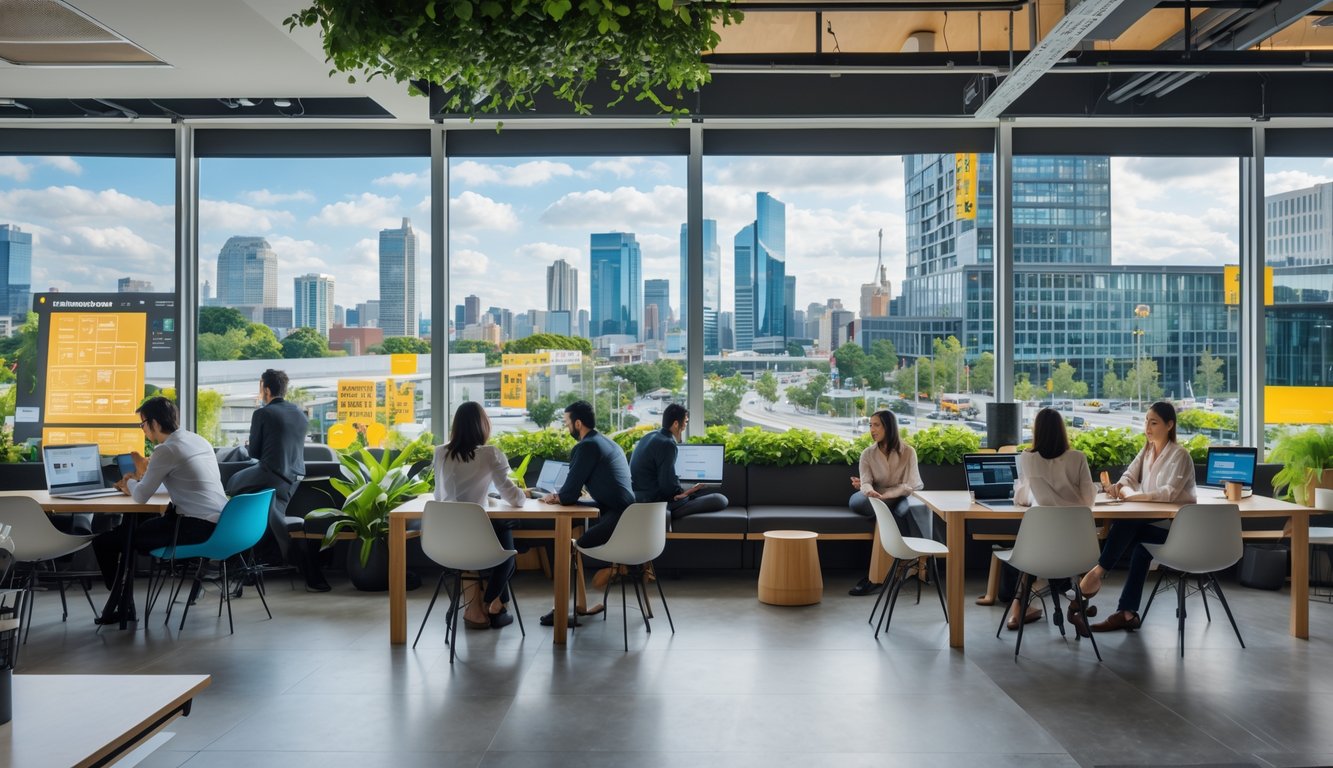
I’ve noticed that the way we work shapes how our cities grow. Shorter commutes, shared spaces, and tech-enabled offices are changing how people use urban areas and balance work with daily life.
Rise of Flexibility and Mobility
I see more people choosing where and when they work instead of sticking to fixed office hours. Flexible working models like coworking spaces, remote work setups, and hybrid schedules drive this shift.
In many cities, new flexible workplace options appear in mixed-use developments. These spaces are close to shops, cafes, and public transport, making it easier to combine errands, social time, and work in one trip.
Mobility plays a big role. I can work from a coworking hub in the morning, meet a client at a café in the afternoon, and finish tasks from home later. This freedom reduces travel time and creates more efficient use of urban space.
Cities now rethink zoning and infrastructure to support this trend. I’ve seen local governments encourage smaller, distributed work hubs instead of large, centralized office towers.
Work-Life Balance for Urban Dwellers
For me, one of the biggest benefits of flexible work is better control over my schedule. I can start earlier or later depending on my needs, which helps me avoid rush hour and spend more time on personal activities.
Many urban spaces now include coworking areas alongside gyms, parks, and restaurants. This setup supports a healthier work-life balance by making it easier to fit exercise, socializing, and errands into the day without long commutes.
I notice how these spaces encourage casual interactions. Meeting people from different industries while grabbing coffee can lead to new ideas or collaborations.
Some developments follow the 15-minute city concept, where most daily needs are within a short walk or bike ride. For me, this means I can get more done without feeling rushed.
Impact on Freelancers and Remote Workers
As a freelancer, I value the flexibility to choose my workspace. Coworking spaces give me reliable internet, meeting rooms, and a professional address without the cost of a long-term lease.
These spaces also provide a sense of community. I can network, share resources, and learn from others, which is harder to do when working alone at home.
This community aspect is one reason coworking hubs are popular among independent workers.
Remote workers benefit from location variety. I can work near home one day and in a different neighborhood the next, depending on my schedule or client meetings.
This mobility keeps my routine fresh and helps me discover new parts of the city. Urban planners now see freelancers and remote workers as key to revitalizing underused areas.
Converting empty buildings into coworking spaces attracts more people, boosts local businesses, and makes neighborhoods feel more active.
Sustainability and Environmental Considerations
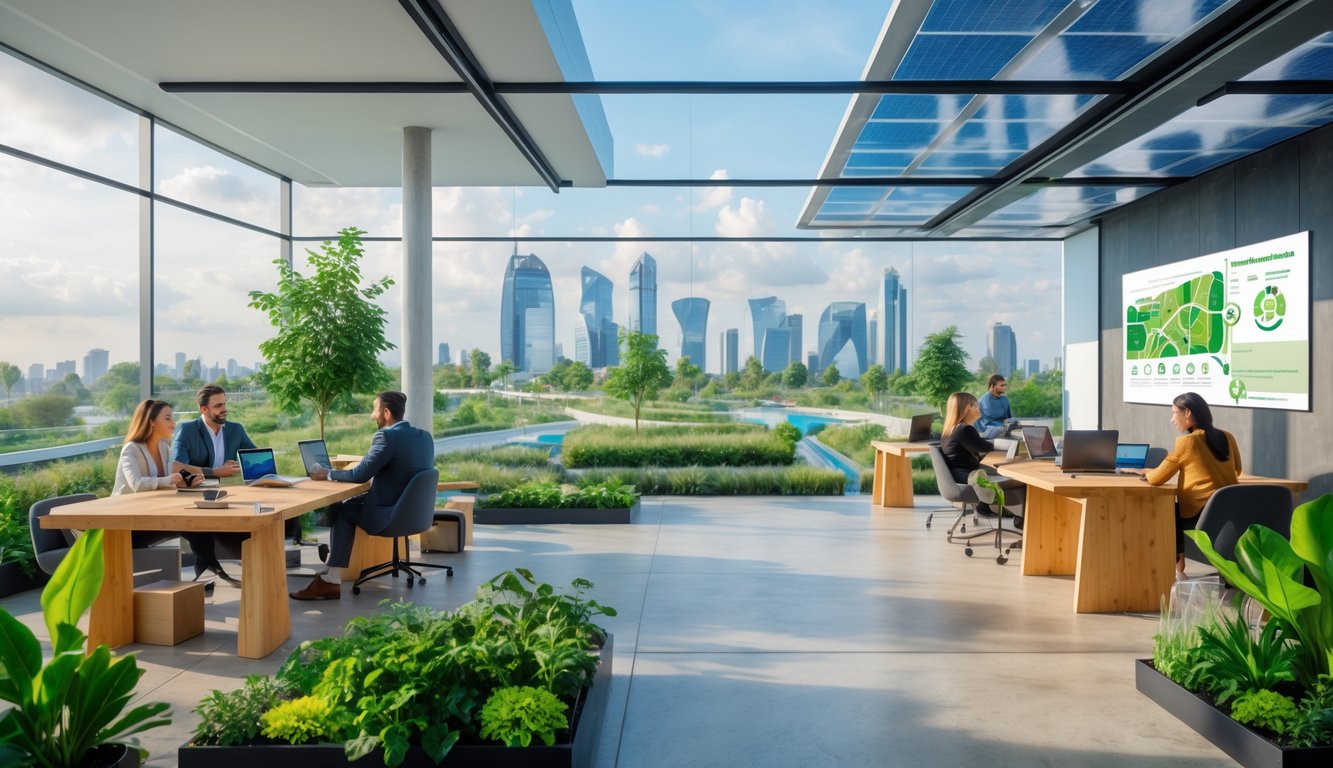
I focus on how coworking spaces can lower their environmental impact while supporting healthier cities. My approach looks at direct actions, like reducing energy use, and at broader urban planning choices that make communities more sustainable.
Reducing Carbon Footprint
I try to design or choose coworking spaces that use energy-efficient lighting, heating, and cooling. These upgrades cut electricity use and lower greenhouse gas emissions.
Installing LED lights, motion sensors, and smart thermostats makes a noticeable difference. I also look for spaces built with eco-friendly materials.
Using recycled wood, low-VOC paints, and reclaimed furniture reduces the carbon footprint of construction and renovation. Building materials often account for a large share of a project’s environmental impact.
Transportation is another big factor. I prefer coworking spaces near public transit or bike paths.
This helps reduce car trips and lowers emissions. Some spaces offer bike storage and showers to encourage cycling.
A few spaces I’ve visited invest in renewable energy. Solar panels or green power purchasing agreements help offset fossil fuel use.
This aligns with trends in sustainable coworking design that focus on long-term environmental responsibility.
Promoting Sustainable Urban Environments
When I think about coworking’s role in cities, I see it as more than just office space. These hubs help create mixed-use neighborhoods where people can live, work, and shop without long commutes.
This setup reduces traffic congestion. It also lowers air pollution.
Some coworking spaces add green spaces like rooftop gardens or courtyards. These areas make air cleaner and lower heat.
People can relax in these green spaces. Studies on urban planning and environmental sustainability show that these areas also boost mental health.
I prefer coworking locations that reuse existing buildings. This choice saves the environmental cost of demolition and new construction.
It also keeps the character of older neighborhoods.
Coworking spaces help local businesses work together. This strengthens community ties.