I’ve watched coworking spaces change from simple shared offices into high-tech environments tailored to how we actually work.
Emerging technologies now shape everything from how you connect with others to how the space supports your focus, health, and comfort.
This shift goes beyond adding gadgets—it creates places that work smarter for the people in them.
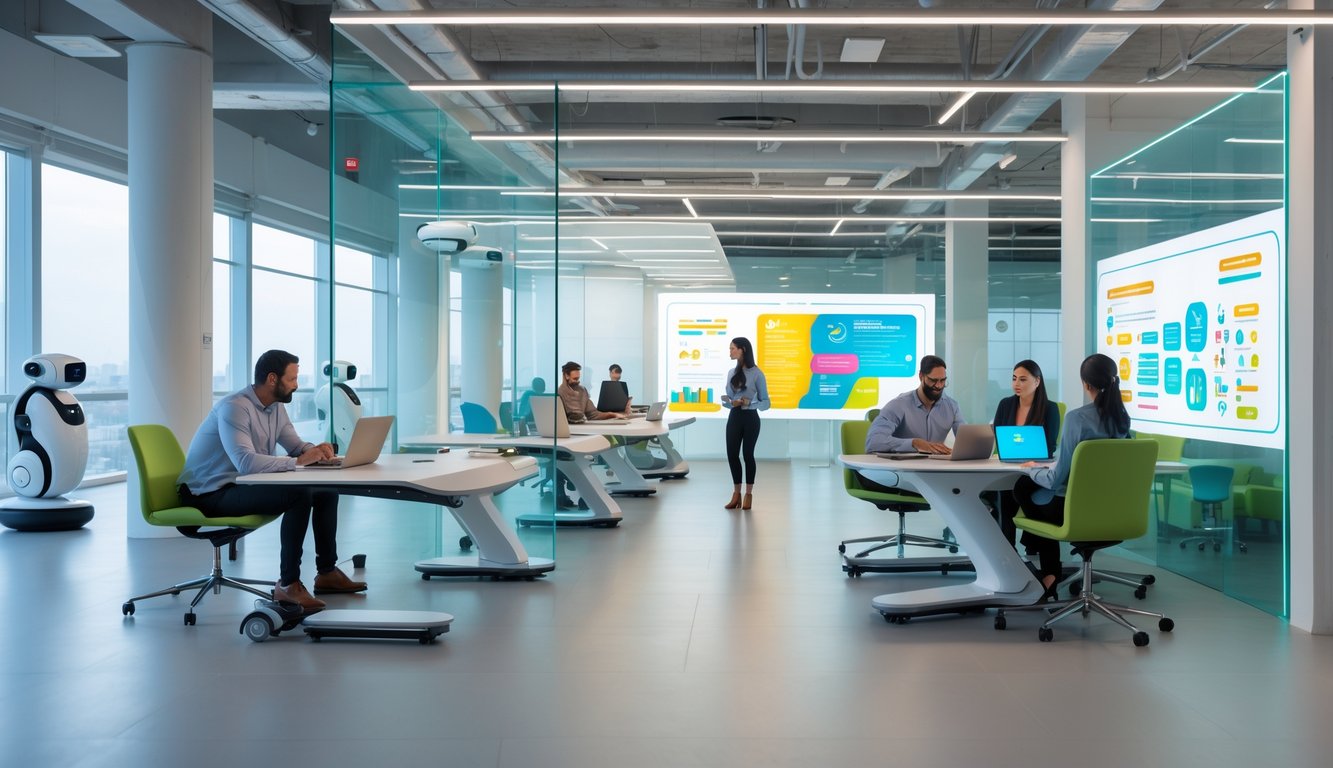
When I walk into a modern coworking hub, I notice how smart lighting adjusts to the time of day.
Air quality sensors keep the space fresh, and booking a meeting room takes seconds through an app.
These tools make work smoother and more enjoyable.
They’re becoming standard in innovative spaces like those highlighted in 2025 coworking design trends.
What excites me most is how these technologies blend with thoughtful design.
Wellness features, sustainable materials, and flexible layouts help create environments that adapt to changing needs.
From immersive virtual collaboration tools to energy-efficient systems, the future of coworking combines tech and design to make work feel better and flow easier.
Key Drivers of Emerging Technologies in Coworking Space Design
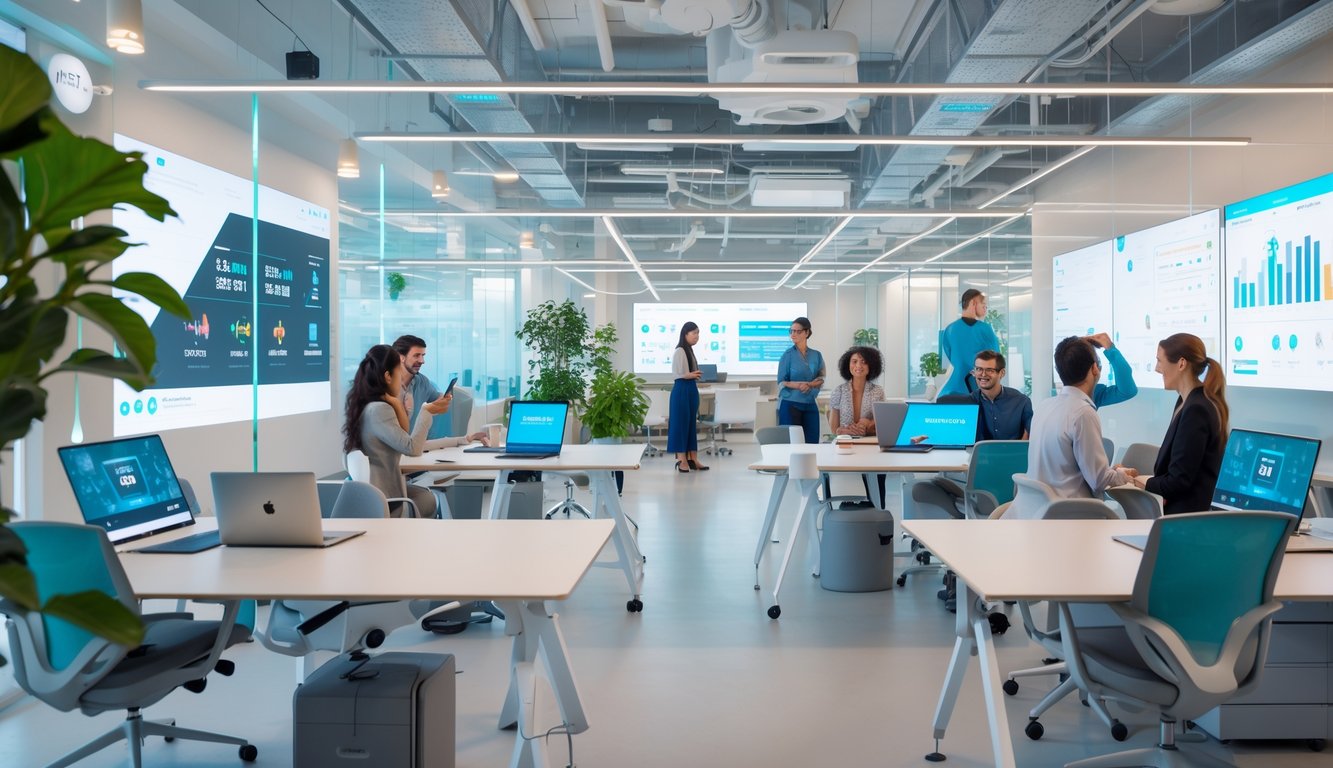
I’ve seen how changes in how we work, where we work, and what we expect from our workplaces push coworking spaces to adopt new tools and designs.
Technology now plays a central role in making these spaces more efficient, adaptable, and comfortable for a wide range of professionals.
Shifting Work Models and Evolving User Needs
The rise of remote work and hybrid work models has changed what people look for in a workspace.
More professionals want spaces that support both in-person collaboration and quiet, focused work.
Many coworking spaces now use smart booking systems so members can reserve desks or meeting rooms on demand.
This helps avoid overcrowding and ensures resources are used efficiently.
AI-powered climate control and lighting systems adjust to user preferences.
This makes the environment more comfortable without wasting energy.
Seamless digital connectivity is essential for people moving between home, office, and coworking spaces.
High-speed internet, secure VPN access, and integrated communication tools are now standard features in modern coworking design.
Rise of Flexible Workspaces
Flexible workspaces have become more popular as companies move away from traditional office space.
Businesses prefer not to commit to long leases when team sizes and needs can change quickly.
Coworking spaces now offer modular layouts with movable walls and furniture.
I can adapt a space for a team meeting one day and individual work the next.
Smart technologies like IoT-enabled access control let members enter at any time without extra staff.
This supports flexible schedules and keeps operations efficient.
Operators also use data analytics to track how spaces are used.
This helps them make better design decisions and improve the member experience.
You can see more about these innovations in emerging coworking space trends.
Demand for Enhanced Work-Life Balance
Work-life balance is now a top priority for many professionals.
Coworking spaces are adding wellness-focused features alongside tech upgrades.
Some spaces integrate biophilic design with plants, natural light, and outdoor areas to reduce stress.
Others use smart scheduling apps to help members plan breaks and avoid burnout.
In certain locations, coworking spaces combine work areas with fitness zones, nap pods, or quiet meditation rooms.
Technology helps manage these amenities so members can book them easily.
By blending productivity tools with wellness features, coworking spaces support both professional and personal needs.
Smart Technologies Transforming Coworking Spaces
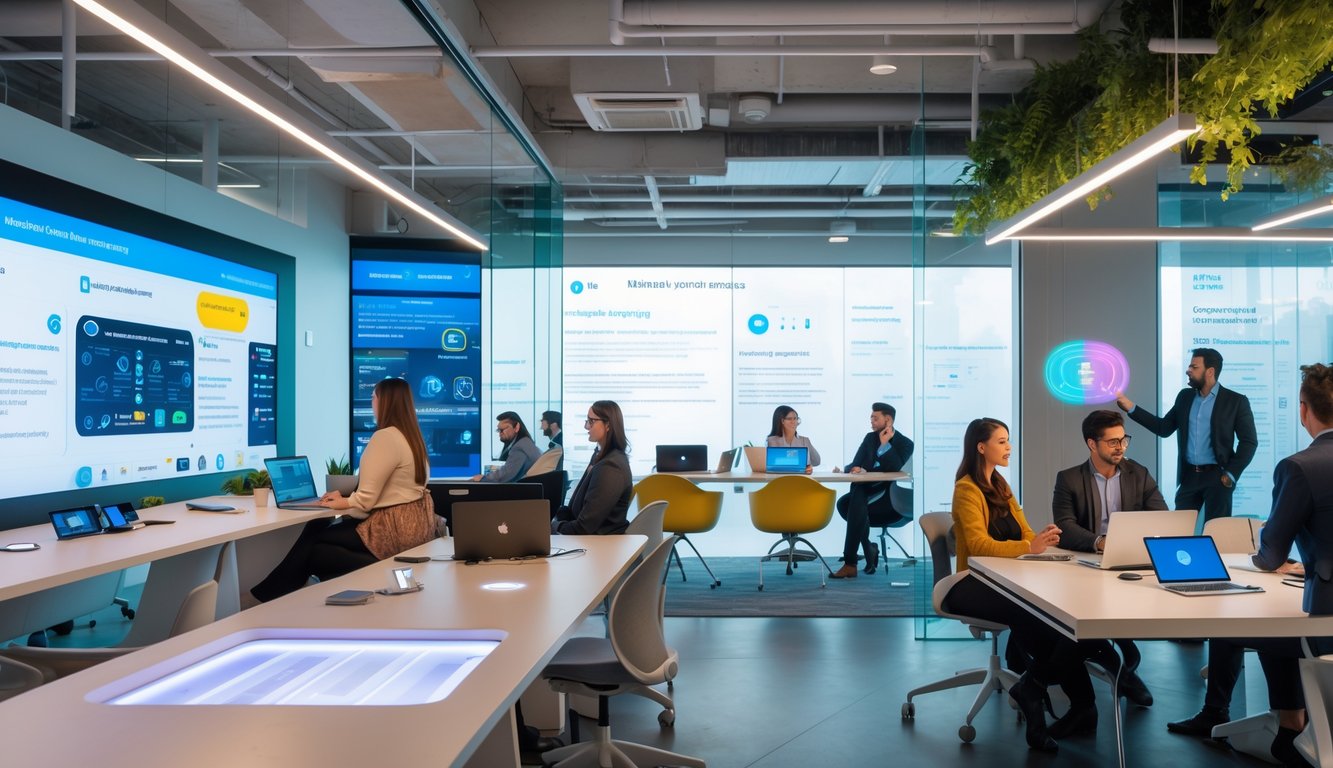
New workplace tools make shared offices more efficient, comfortable, and easier to manage.
These upgrades automate routine tasks, improve how spaces are used, and give people more control over their work environment.
AI-Driven Automation and Personalized Services
I use artificial intelligence tools in my workspace to save time and simplify daily routines.
AI can handle bookings, suggest meeting rooms, and even adjust desk layouts based on usage patterns.
Coworking operators now offer personalized services powered by AI.
For example, systems can remember my preferred seating, lighting, or coffee order.
This makes the space feel more tailored without extra staff effort.
AI also helps with data analysis.
By tracking occupancy trends, it can recommend changes to improve space efficiency.
Platforms like those described in smart coworking solutions use these insights to keep operations smooth.
Here’s what I find most useful:
- Automated check-in via facial recognition or app.
- Smart scheduling that avoids double bookings.
- Custom notifications for events or desk availability.
Internet of Things for Smart Workspaces
The Internet of Things (IoT) connects devices so they can share data and respond in real time.
In my coworking space, IoT sensors track how many people are in a room and adjust resources accordingly.
Occupancy sensors can dim lights or change the temperature when fewer people are present.
This saves energy and keeps the environment comfortable.
IoT also improves space management.
I can check an app to see which desks are free before I arrive.
This reduces wasted time searching for a spot.
Key IoT benefits I’ve experienced:
| Feature | Benefit |
|---|---|
| Real-time occupancy tracking | Better space use |
| Automated climate control | Lower energy costs |
| Device integration | Seamless user experience |
Smart Lighting and Environmental Controls
Lighting and temperature have a big impact on how I work.
Smart lighting systems adjust brightness based on natural light levels, which reduces eye strain and saves electricity.
In many modern coworking spaces, I can control lighting and climate from my phone.
Some systems even learn my preferences over time.
Environmental controls go beyond comfort.
By integrating with IoT, they help maintain consistent air quality and reduce energy waste.
Spaces using smart lighting and climate management create a healthier and more productive atmosphere.
I especially value:
- Daylight-responsive lighting for natural balance.
- Zoned climate control so each area stays comfortable.
- Energy monitoring to track and reduce consumption.
Immersive Experiences: AR, VR, and Virtual Collaboration

I use immersive tools like AR and VR to make shared workspaces more interactive and accessible.
These technologies help me connect with others, explore spaces before visiting, and work remotely while staying part of a team.
Augmented Reality for Enhanced Collaboration
When I use augmented reality in a coworking space, I can layer digital information over real-world objects.
This helps me share designs, data, or instructions in real time.
For example, I might project a 3D model onto a desk so teammates can walk around it and discuss changes.
This makes feedback faster and easier to understand.
AR tools also let me annotate shared spaces.
I can leave notes, highlight areas, or guide someone through a process without being in the same room.
Some coworking spaces use AR to host interactive brainstorming sessions.
Everyone can see the same virtual whiteboard, even if we’re in different cities.
This keeps discussions focused and productive.
I’ve found that AR-based collaboration works best with clear labeling and organized visual layouts.
Virtual Reality and Virtual Tours
Virtual reality lets me step into a fully digital version of a coworking space.
I can explore the layout, check seating options, and see meeting rooms before I visit in person.
Many spaces now offer VR-enabled tours so I can make decisions without traveling.
This is especially useful when I’m comparing multiple locations.
VR also supports immersive training sessions.
I can practice giving presentations or learn new tools in a simulated environment that feels realistic.
Some coworking providers use VR meeting rooms.
These create the sense of being in the same space with others, even if we’re hundreds of miles apart.
I can walk up to someone, start a conversation, and share documents as if we were face-to-face.
This approach reduces the need for physical site visits and helps me prepare for events or client meetings more effectively.
Remote Work Enablement Through Immersive Tech
Working remotely can feel isolating, but immersive tech helps me stay connected.
I can join a virtual collaboration space where I see and interact with colleagues in real time.
In VR, I can join a brainstorming table, use shared screens, and even read body language cues.
This makes remote teamwork feel more natural.
AR tools help me troubleshoot problems from a distance.
If a teammate shares their view through an AR headset, I can guide them step-by-step without being onsite.
Some coworking spaces integrate both AR and VR to create hybrid events.
I can attend workshops, network, and collaborate with people who are physically present while I participate from home.
Platforms like VR-enabled workspaces let me switch between focused solo work and group interaction without changing locations.
This flexibility keeps my workflow smooth and my connections strong.
Design Innovations Supporting Wellness and Productivity
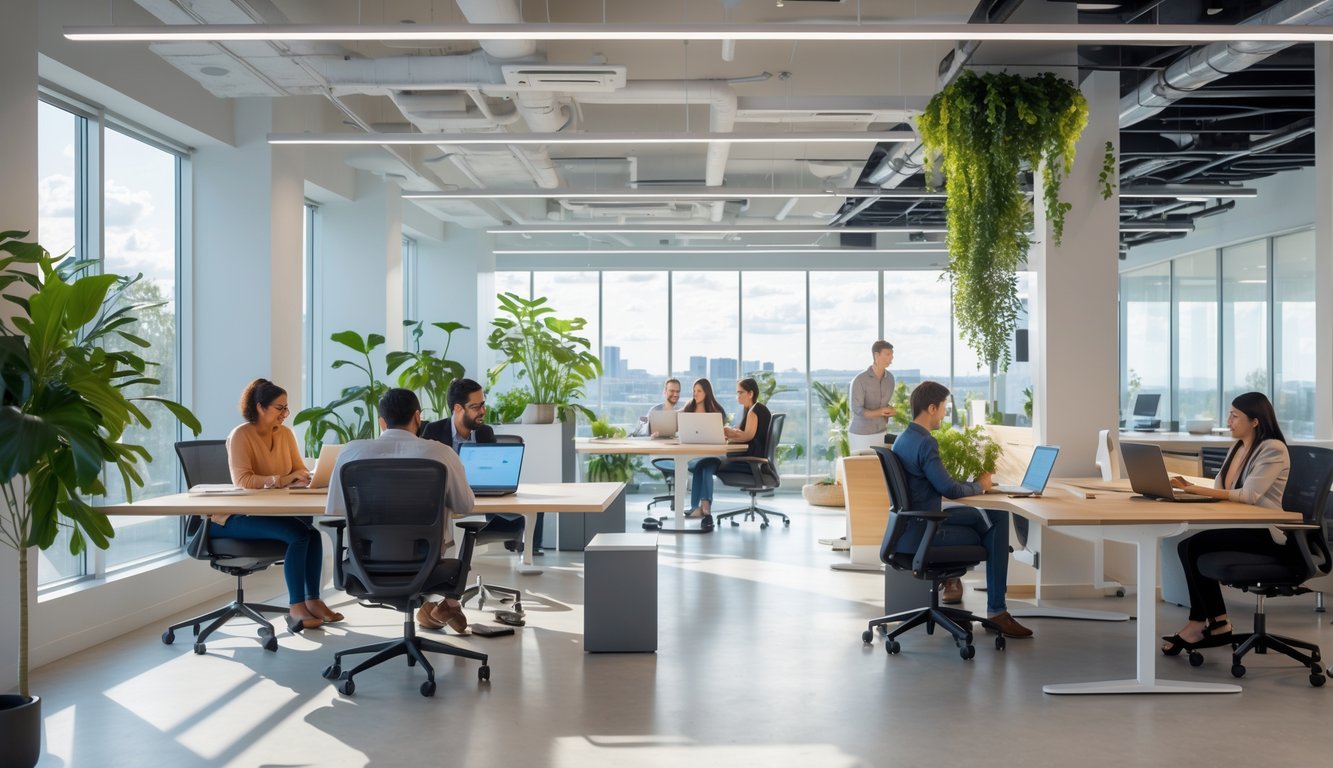
The most effective coworking spaces balance comfort, health, and efficiency.
They combine natural design features, well-planned wellness programs, and healthy indoor environments to keep people feeling good and working at their best.
Biophilic and Eco-Friendly Design Elements
I like how biophilic design brings nature indoors. Adding plants, green walls, and natural light makes a space feel calmer and more inviting.
These features help reduce stress and support focus.
Many spaces now use eco-friendly materials like reclaimed wood, low-VOC paints, and recycled textiles. These choices lower harmful emissions and create a healthier workspace.
Designers often maximize daylight and install energy-efficient LED lighting for cloudy days. This setup saves power and keeps lighting comfortable.
Some coworking spaces install indoor gardens or water features. These improve air quality and create a pleasant atmosphere that helps people stay focused.
Modern coworking designs often combine flexible layouts with natural textures and greenery. This approach creates a balanced work culture.
Wellness-Focused Amenities and Programs
I’ve found that wellness programs can greatly improve how people feel at work. Coworking spaces add yoga rooms, meditation zones, and nap pods to help members recharge.
Some spaces provide healthy snack bars or fresh fruit deliveries. Others organize group fitness classes or mindfulness sessions during lunch breaks.
These amenities make it easier for members to take care of themselves without leaving the building.
I like when wellness amenities fit naturally into the workday. Standing desks and ergonomic chairs help reduce strain, while quiet zones support focused work.
Air Quality and Healthy Environments
I’ve learned that air quality directly affects alertness and focus. Poor ventilation makes people tired, but clean air keeps energy levels steady.
Many coworking spaces use advanced air filtration systems and monitor CO₂ levels to keep the environment fresh. Some add air-purifying plants to remove toxins naturally.
Humidity control also matters. Balanced humidity helps prevent dry skin and lowers the risk of airborne illnesses.
Some spaces use low-emission furniture and finishes to reduce indoor pollutants. Healthy workspace design often pairs clean air with good lighting and acoustics.
Sustainability and Green Practices in Coworking Spaces
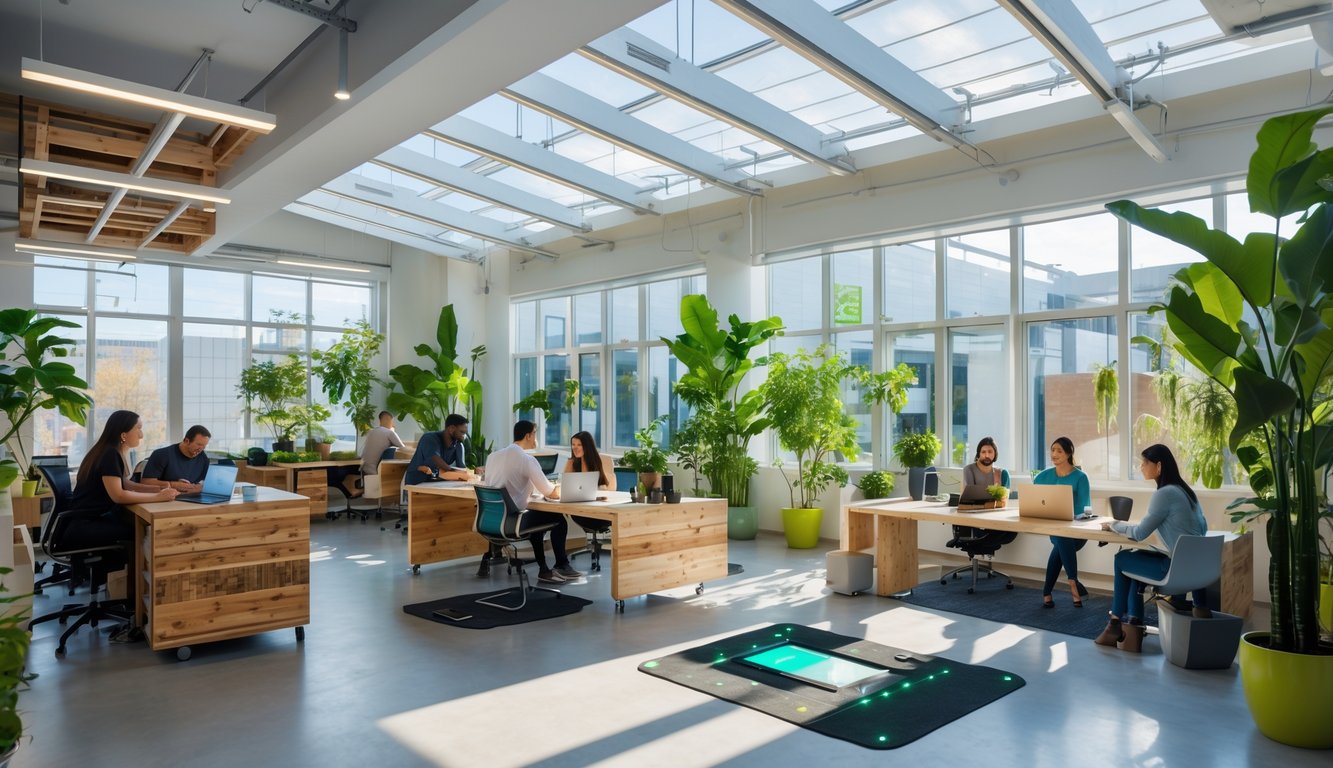
I create work environments that use fewer resources and produce less waste. I think about how to handle materials after use and how to generate and consume energy efficiently.
Recycling and Waste Management Initiatives
In my coworking space projects, I make recycling easy and clear for everyone. I set up clearly labeled bins for paper, plastics, metals, and glass in high-traffic areas.
I work with local waste services to handle composting for food scraps and biodegradable materials. This keeps organic waste out of landfills and reduces methane emissions.
I post simple visual guides near bins to help members follow the system. Clear instructions lower contamination in recycling streams.
Here’s a quick example of the waste categories I use:
| Category | Examples | Disposal Method |
|---|---|---|
| Paper & Card | Office paper, boxes | Paper recycling bin |
| Plastics | Bottles, containers | Plastic recycling bin |
| Organics | Food scraps, coffee grounds | Compost bin |
I track how much waste is diverted each month. This helps me adjust programs and share progress with members.
Renewable Energy Integration
I design spaces to use renewable power whenever possible. Solar panels work well on flat rooftops and can supply much of the daytime electricity.
Sometimes, I connect the building to a green energy provider that uses wind or hydroelectric power. This reduces fossil fuel use and lowers the carbon footprint.
I pick energy-efficient lighting and appliances, so renewable systems cover more of the total demand. For example, LED lights and motion sensors help cut unnecessary use.
Some coworking spaces I’ve worked on use battery storage to save extra solar power for the evening. This makes the energy supply more consistent and reduces peak-hour grid use.
By combining renewable generation with efficiency upgrades, I create workspaces that are practical and environmentally responsible. Sustainable coworking spaces often integrate solar energy with smart building systems to maximize performance.
Community Building and Flexible Membership Models
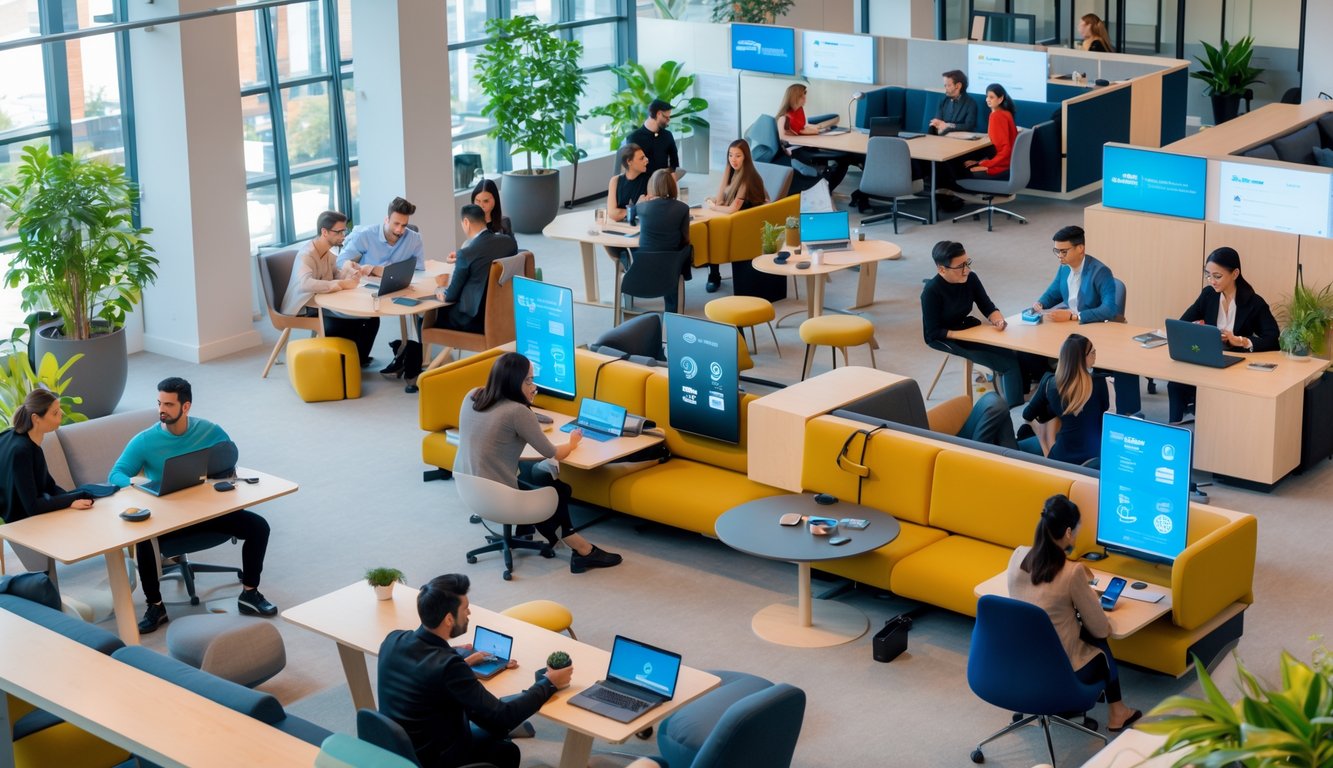
I notice that the most successful coworking spaces do more than provide desks and Wi-Fi. They create environments where people connect, share ideas, and choose work arrangements that fit their schedules and goals.
Networking Events and Collaboration Opportunities
When I join a coworking space, I look for regular networking events that help me meet new people. These events can be coffee mornings, skill-sharing workshops, or panel discussions with industry experts.
In-person mixers and themed meetups make it easier to start conversations. Some spaces host joint projects where members from different fields work together. This kind of collaboration can spark innovation that wouldn’t happen otherwise.
Many coworking operators use tools like member directories or internal chat platforms to keep connections going between events. I like being able to message another member directly to discuss a partnership or share resources. Community building like this makes spaces feel more welcoming and productive.
Customizable and Part-Time Memberships
I appreciate spaces that offer flexible membership models instead of a single plan. Part-time memberships work well when I only need a desk a few days a week. This keeps costs down and still gives me access to the community.
Some places let me choose between hot desks, dedicated desks, or private offices. Others offer day passes for travel or a change of scenery.
A few coworking spaces, like those in flexible workspace trends, allow month-to-month agreements. This makes it easy to adjust my plan if my workload changes. For me, that kind of adaptability is a big reason to join.
Creative Studios for Entrepreneurs and Freelancers
As a freelancer, I value spaces that go beyond standard office setups. Creative studios with photography areas, podcast rooms, or maker spaces give me tools I can’t easily set up at home.
These studios help entrepreneurs who need professional environments to produce content or prototype products. They also provide great spaces to meet clients.
I’ve used soundproof rooms for recording. These rooms make my work look and sound more polished.
Some coworking spaces offer shared equipment like 3D printers or large-format printers. They may also provide video gear.
Access to these resources lets me experiment with new ideas. I can grow my business faster without a large upfront investment.