I’ve noticed more coworking spaces adding wellness programs. One change stands out—on-site health screenings.
These simple checks, like blood pressure monitoring or vision tests, used to be limited to corporate offices or clinics. Now, coworking spaces offer convenient access to preventive care without disrupting your workday.
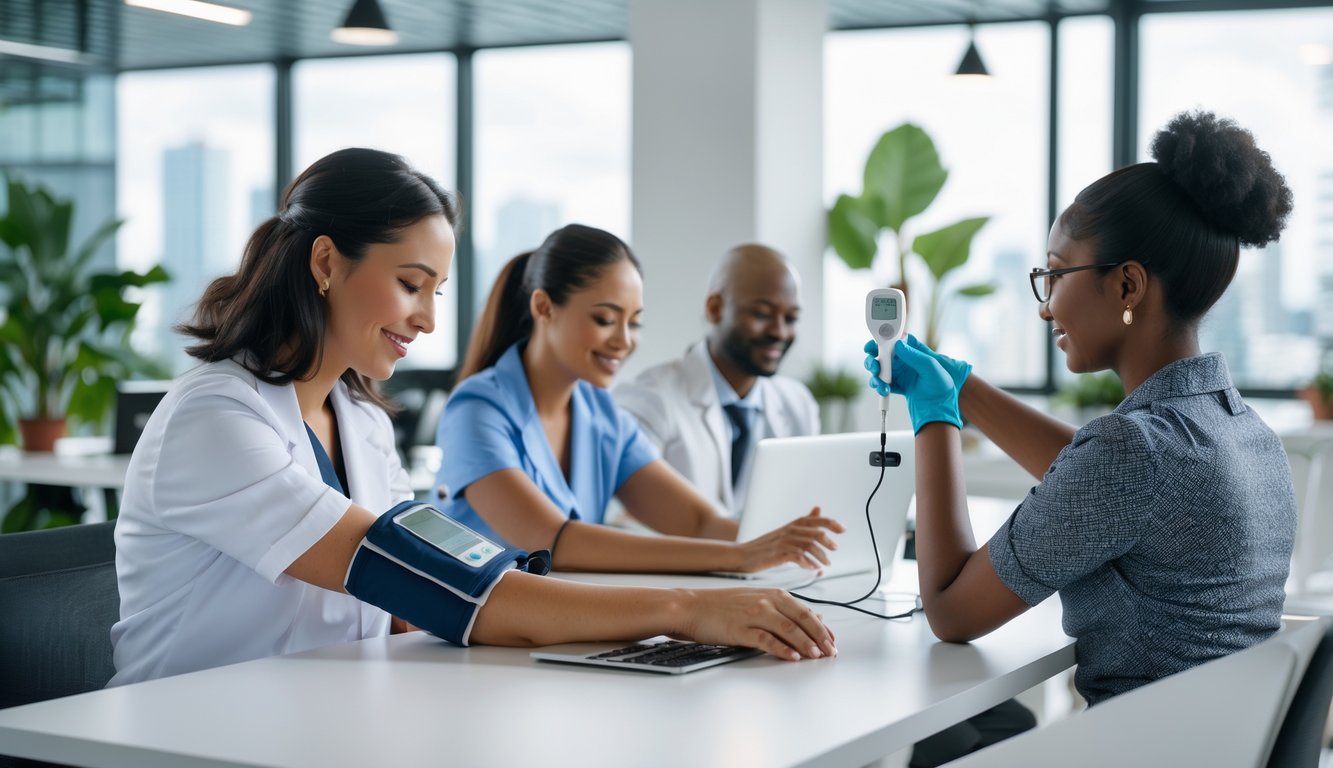
When I walk into a shared workspace now, I often see a wellness corner or a visiting nurse. Some spaces partner with local healthcare providers to offer regular check-ups and flu shots.
This shift shows a growing focus on environments that support both productivity and well-being. By blending work and health services in one location, coworking spaces make it easier to stay on top of personal wellness.
It’s a practical benefit that can save time and reduce stress. These services encourage healthier habits for anyone who spends hours at a desk.
The Rise of Health Screenings in Coworking Spaces
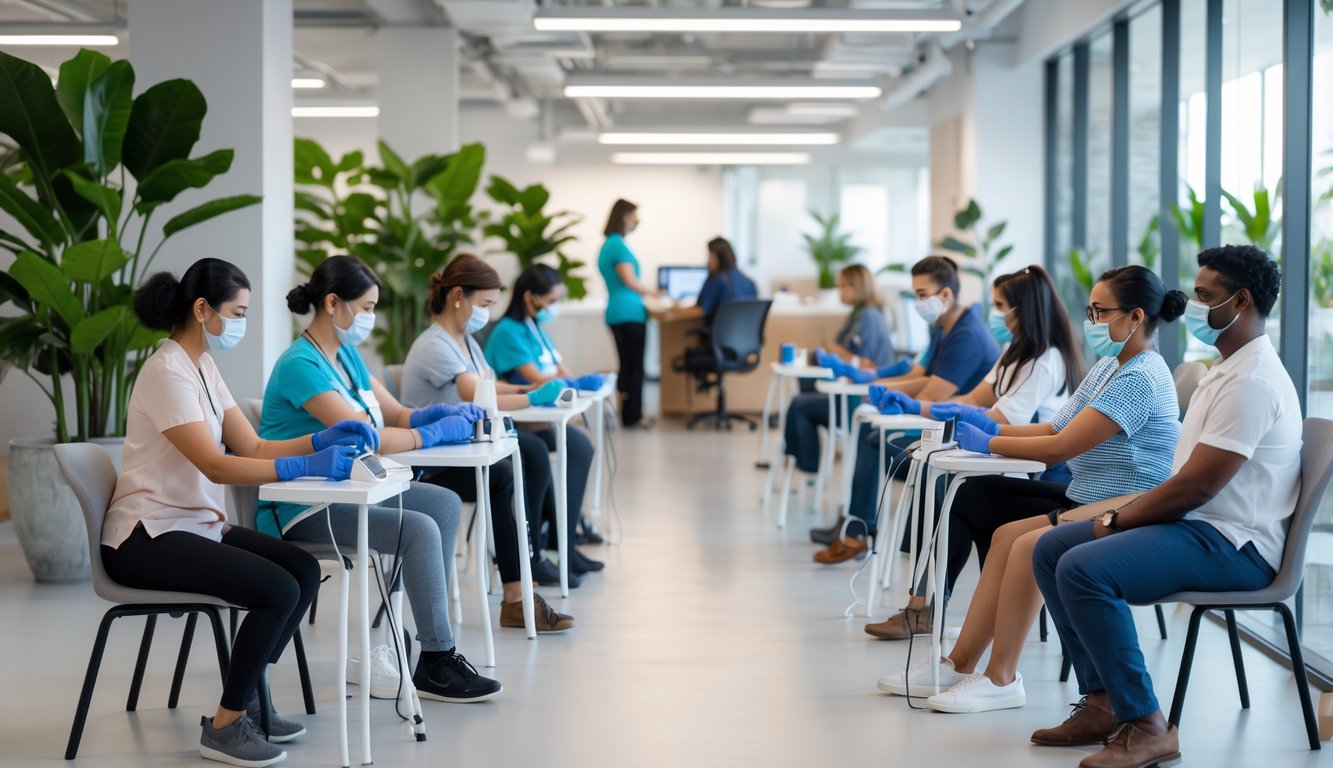
I see more shared workspaces now offer on-site health services like blood pressure checks, vision tests, and wellness consultations. This shift makes coworking spaces places that support physical and mental health, not just work.
Why Health Screenings Are Becoming Popular
When I work in a coworking space, I find it convenient to get a quick health check without leaving the building. It saves time and helps me keep track of my health.
Many people in coworking spaces are freelancers or remote workers. They often lack access to workplace wellness programs that larger companies provide.
On-site screenings fill that gap. These screenings often include:
- Blood pressure monitoring
- Body mass index (BMI) checks
- Basic vision and hearing tests
- Flu shots and vaccinations
Health activities encourage conversations about healthy habits. Members connect through shared wellness experiences.
Key Drivers Behind the Trend
A big reason is the growing focus on employee well-being in the modern workplace. Companies and individuals now see health as part of productivity.
Coworking operators want to stand out in a competitive market. They offer health screenings to attract members who value wellness.
The pandemic made health awareness a priority. Shared workspaces added safety measures, and screenings became a natural next step.
Technology helps too. Portable devices make quick, accurate screenings possible without a full clinic.
Impact on the Modern Workplace
Having access to screenings at work changes how I view my daily routine. I’m more likely to monitor my health when it’s easy and affordable.
In the future of work, I expect coworking spaces to include health services in membership benefits. This could mean regular check-ups, mental health consultations, and fitness assessments.
These offerings can reduce sick days and improve focus. They also make shared workspaces more appealing to individuals and companies seeking wellness-focused locations.
Benefits of Health Screenings for Coworking Members

Regular health checks in shared work environments can make a real difference. They help identify issues early and encourage healthier habits.
Supporting Physical and Mental Health
When I take part in health screenings, I get a clearer picture of my current health. Basic checks like blood pressure, cholesterol, and glucose levels help me spot risks before they become bigger problems.
These screenings can include mental health assessments. Stress, anxiety, and burnout affect me just as much as physical illness.
Talking with a professional on-site makes it easier to address concerns quickly. Many coworking spaces connect members to follow-up care if results show something concerning.
Boosting Productivity and Job Satisfaction
When I feel healthy, I work better. Health screenings can reduce sick days by catching problems early.
Knowing my workspace invests in my employee wellness improves job satisfaction. It shows they value me as more than just a worker.
Some coworking spaces pair screenings with wellness programs like fitness classes or nutrition workshops. These extras help me stay productive and make the workplace feel like a supportive community.
Enhancing Work-Life Balance
Health screenings save me time. Instead of taking hours off to visit a clinic, I get checked during my workday.
If my screening results show high stress levels, I know it’s time to adjust my schedule or workload. This helps me protect my work-life balance before burnout sets in.
By making health checks part of the coworking experience, I can manage my well-being without disrupting my routine.
Integrating Wellness Initiatives in Shared Workspaces
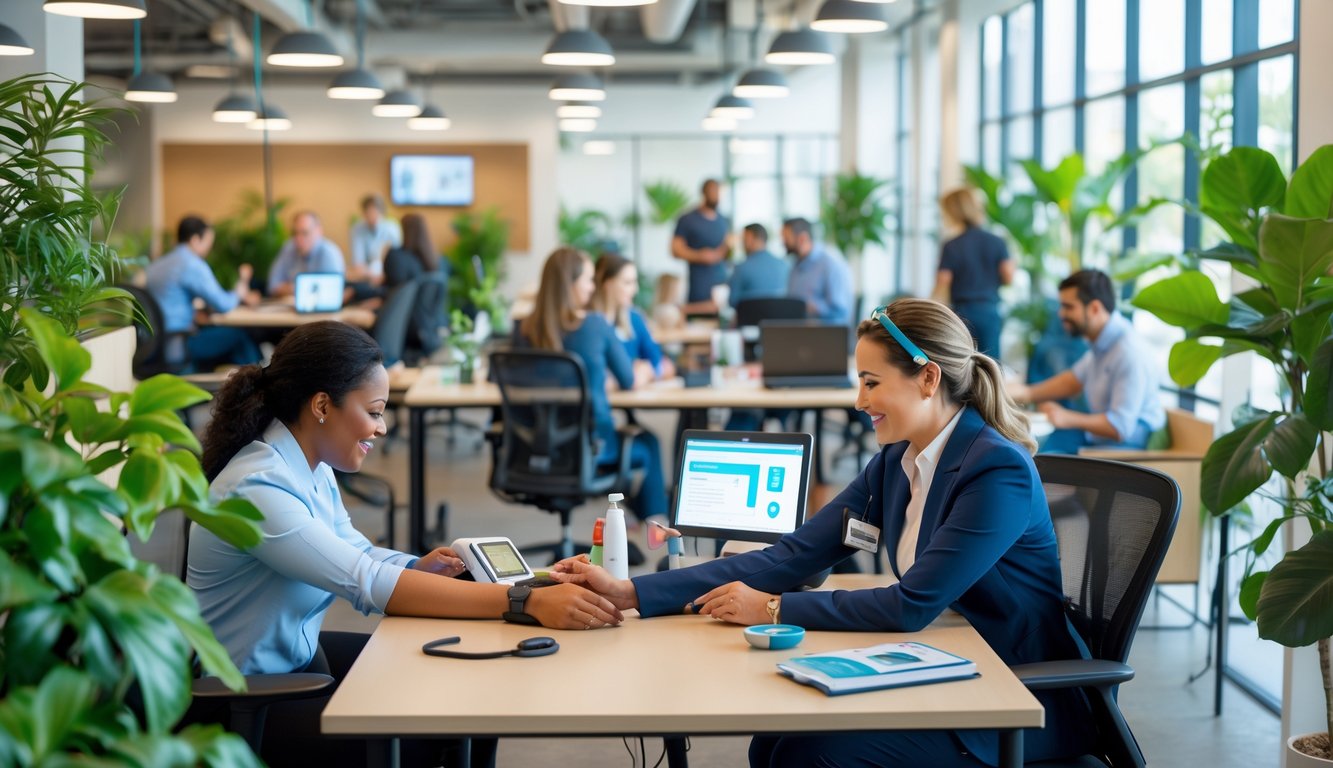
Shared workspaces are starting to include more health-focused features that make daily work life healthier and easier. These changes range from on-site health checks to regular activities that support both body and mind.
Types of Health Screenings Offered
In many coworking spaces, I can access basic health screenings without leaving the building. These often include blood pressure checks, BMI measurements, and vision tests.
Some spaces partner with local clinics to offer annual flu shots or cholesterol screenings. This makes it simple for me to keep track of my health while working.
A few wellness-focused coworking spaces bring in mobile testing units for blood glucose monitoring or skin cancer checks. By offering these services on-site, they remove the need for extra appointments.
Some spaces, like certain wellness-centric work environments, provide access to telehealth consultations. This lets me speak to a healthcare provider privately without leaving work.
Wellness Programs and Workshops
Beyond screenings, I’ve joined workshops that focus on stress management, nutrition, and posture correction. These sessions often happen during lunch breaks and are easy to attend.
Many coworking spaces organize yoga or meditation classes in a small fitness area or studio. Some even have fitness centers with basic gym equipment.
I’ve seen spaces partner with local trainers or dietitians to run short-term wellness challenges. These might track daily steps, water intake, or mindful breaks.
In spaces that follow the wellness coworking model, these programs are built into the membership. I don’t have to pay extra for most activities.
Community-Driven Wellness Culture
The community around wellness makes the biggest difference for me. When members join group activities, it creates a sense of collaboration and shared goals.
I’ve made new contacts during morning stretch sessions and connected with others in networking opportunities tied to health events.
Some spaces have well-being boards where members share healthy recipes, fitness events, or mental health resources. This keeps wellness visible and part of daily conversation.
A few coworking communities form walking or running groups. These groups support fitness and help me build stronger connections with the people I work alongside.
Designing Coworking Spaces for Health and Flexibility
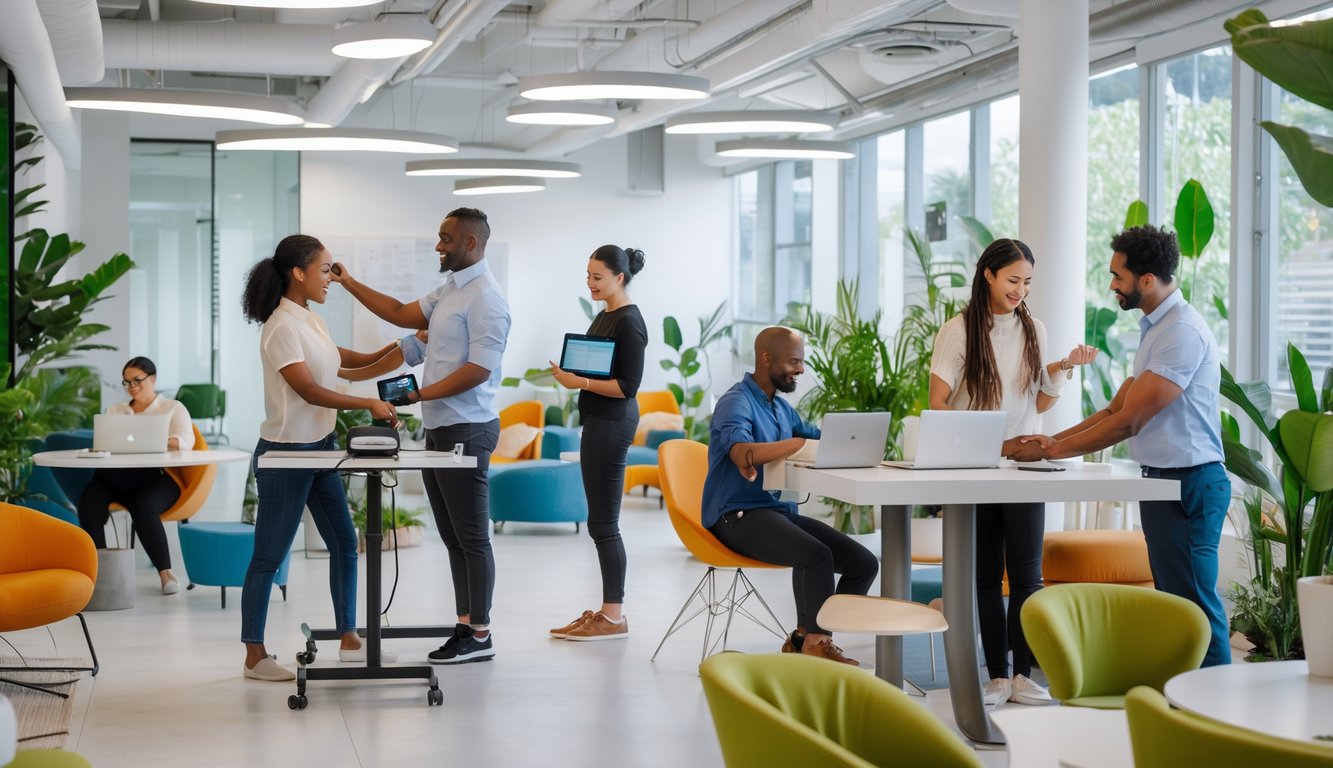
I focus on creating spaces that make it easy for people to work comfortably and stay active during the day. I pay attention to how the space feels, how it can adapt to different needs, and how it supports movement without disrupting work.
Ergonomic and Biophilic Design Elements
I always start with ergonomic furniture to help prevent strain from long hours at a desk. Adjustable chairs, standing desks, and monitor stands let people set up their workspace to fit their body.
I add biophilic design by including plants, natural light, and wood materials. Natural elements can lower stress and improve focus.
Here’s a simple checklist I use:
| Design Feature | Benefit | Example Use |
|---|---|---|
| Standing desks | Reduces sitting time | Shared workstations |
| Indoor plants | Improves air quality, mood | Desk planters, green walls |
| Natural lighting | Reduces eye strain | Skylights, large windows |
I avoid cluttered layouts so people can move freely between work zones. Open floor plans with quiet areas help balance collaboration and focus.
Flexible Work Environments
I design spaces that can change quickly based on who’s using them. Modular furniture and movable walls make it easy to switch from group work to private focus time.
Some people need private offices for calls or focused work. Others prefer open tables for teamwork.
By mixing both, I make sure everyone finds a spot that works. I also include multi-use rooms that serve as meeting spaces, wellness rooms, or event areas.
This flexibility saves space and keeps the environment fresh. The best coworking layouts encourage choice without feeling chaotic.
Clear zones, good signage, and easy access to resources make a big difference.
Incorporating Fitness and Movement
I believe movement should be part of the workday, not an afterthought. That’s why I add features like onsite fitness centers, yoga rooms, or small areas with stretch bands and mats.
When space is tight, I set up walking paths or encourage standing meetings. These small changes keep energy levels steady.
Some coworking spaces include wellness-focused designs, such as digital detox zones and meditation rooms, to help members recharge.
Even short breaks from screens can improve focus and reduce fatigue. When movement options are easy to access, people use them more, and the whole space feels more active and engaged.
Technology and Automation in Wellness-Focused Coworking Spaces
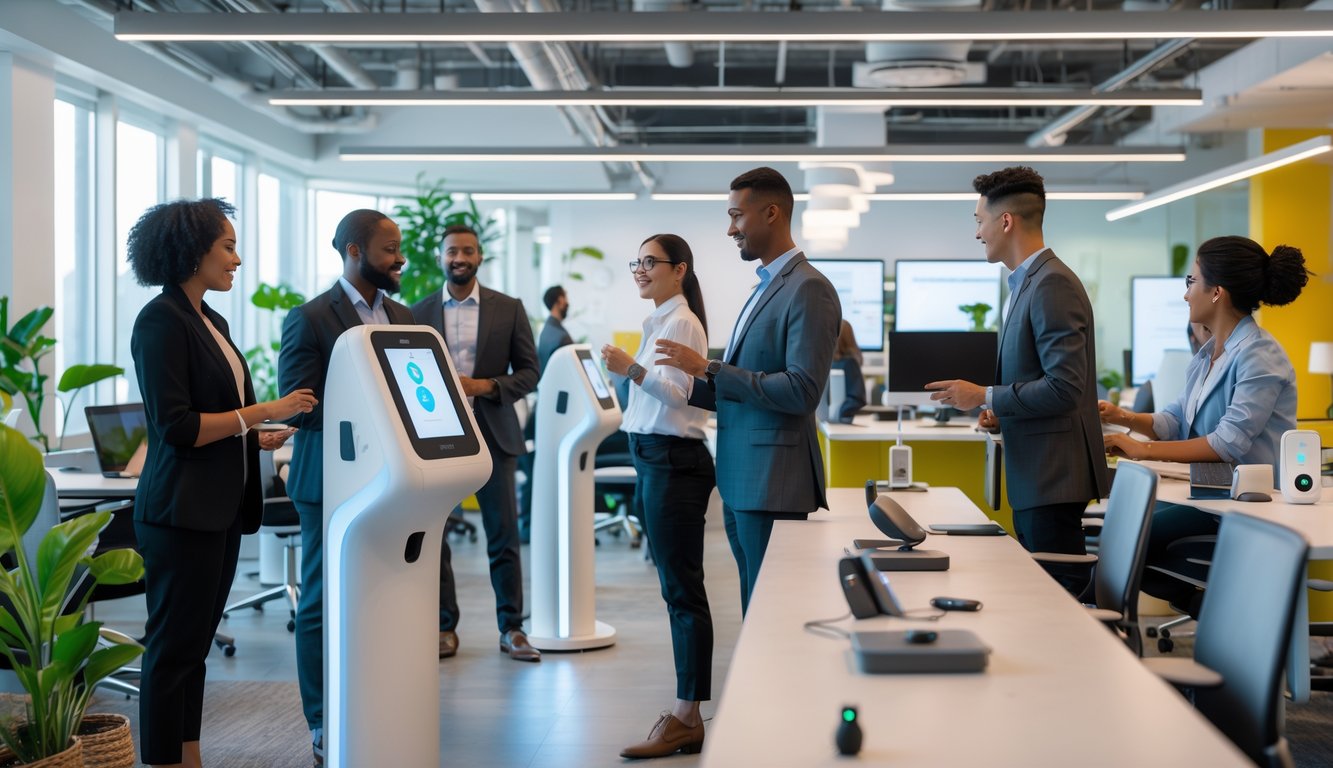
New tools in the modern workplace make it easier to keep people healthy without extra work for staff. Automated check-ins and connected wellness devices help create a safer, more supportive environment.
Role of Automation in Health Screenings
Automation removes the need for manual health checks. For example, I can set up touchless temperature scanners at entry points so members get screened instantly.
This reduces wait times and avoids crowding. Some coworking spaces use self-service kiosks that record basic health data like heart rate or blood pressure.
Members can store their results securely and access them anytime. Coworking apps send automated reminders to encourage regular screenings, especially during flu season or wellness weeks.
| Automation Tool | Purpose | Benefit |
|---|---|---|
| Touchless scanners | Temperature checks | Faster, no contact |
| Self-service kiosks | Basic health metrics | Private, convenient |
| App reminders | Screening prompts | Improves participation |
Automation fits wellness checks into daily routines without causing disruption.
Smart Features for Enhanced Well-Being
Smart technology improves my experience in a coworking space. For example, air quality sensors track CO₂ and humidity, then adjust ventilation automatically.
Some spaces use wearable devices that sync with wellness apps to monitor activity, posture, and stress levels. This data helps me make small changes to improve my day.
I’ve worked in spaces with smart lighting that adjusts brightness and color temperature to support focus or relaxation.
Platforms like Coworks integrate booking, health amenities, and member communication in one place. This makes it simple to manage work and well-being.
These smart features create a healthier environment while I focus on my tasks.
The Impact on Diverse Coworking Audiences
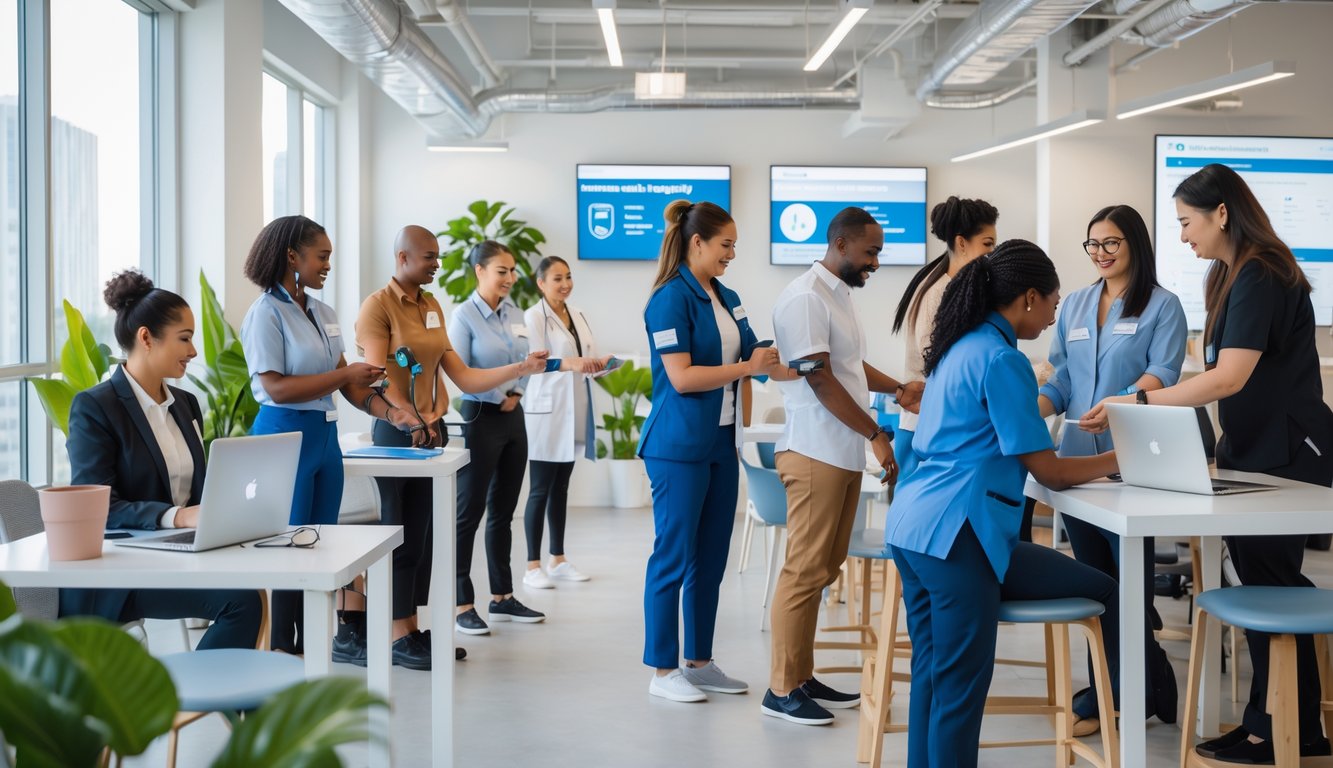
Health screenings in shared work environments meet different needs depending on who uses the space. Work style, schedule flexibility, and in-person collaboration all shape the benefits.
Freelancers and Entrepreneurs
As a freelancer, I often work alone and can overlook regular health checks. Having screenings at my workspace saves time and helps me stay on top of my health.
Entrepreneurs juggling client meetings and deadlines benefit from on-site screenings. It’s one less task to fit into a busy schedule.
Key benefits for this group include:
- Quick access without leaving the workspace
- Reduced disruption to billable hours
- A sense of community through shared wellness events
Screenings can also spark conversations and networking among members.
Remote Workers and Hybrid Teams
When I work remotely, I sometimes forget about posture, vision, or general wellness. In coworking spaces, screenings remind me to take care of myself.
Hybrid teams benefit from health checks on in-person days. This ensures everyone can participate without extra travel or scheduling issues.
Some coworking spaces, as shown in workplace wellness research, already integrate wellness programs with flexible seating and meeting areas.
This helps teams combine collaboration with healthcare access. I find this especially helpful when team members live in different cities but share the same coworking network.
Corporate Clients and Startups
Corporate teams in coworking spaces often include health screenings as part of employee wellness policies. This helps companies meet health goals without renting extra facilities.
Startups may lack the budget for in-house wellness programs. By choosing coworking spaces with screenings, they can offer important benefits at lower cost.
Typical services for these groups include:
| Service | Benefit |
|---|---|
| Blood pressure checks | Early detection of health risks |
| Vision tests | Reduced eye strain from screen work |
| Ergonomic assessments | Lower risk of musculoskeletal pain |
This approach supports productivity and shows employees that their well-being matters.
Looking Ahead: Health Screenings as a Standard in Coworking Spaces
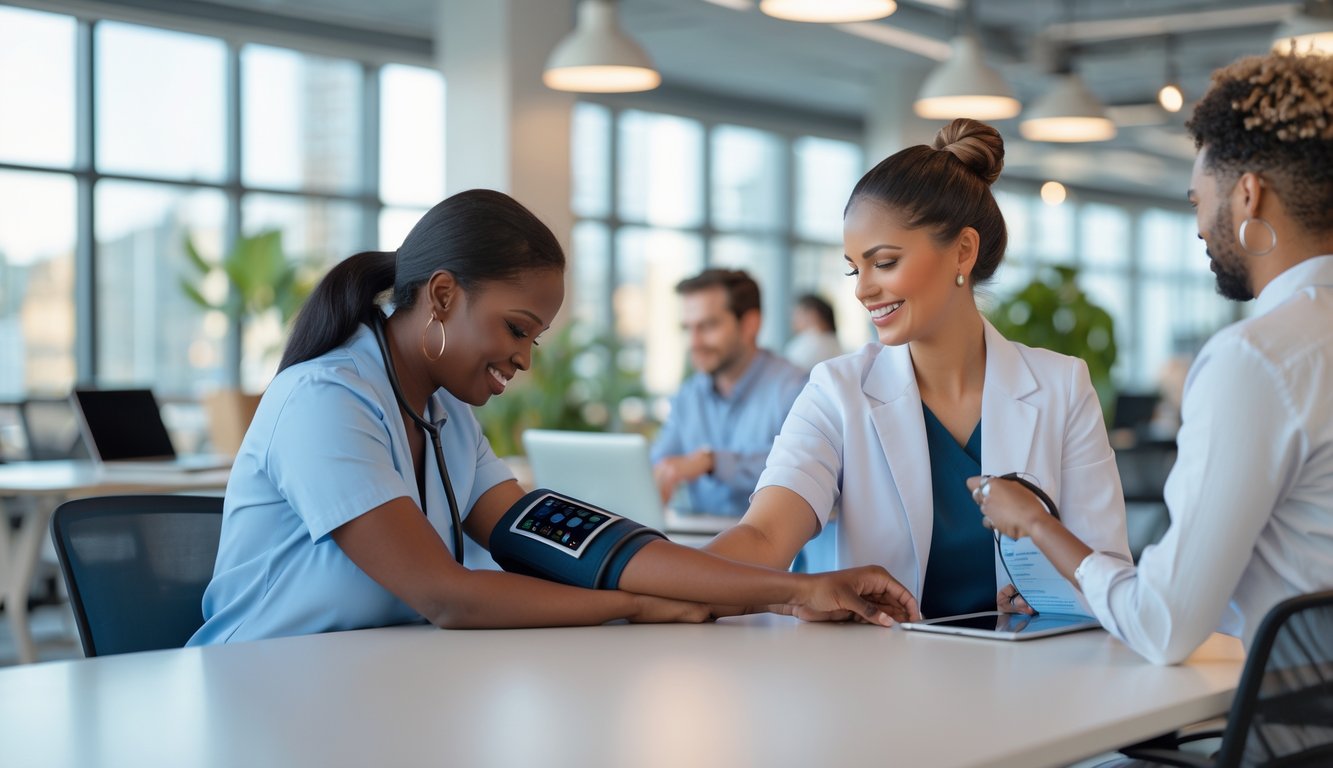
More coworking spaces now add on-site health checks as regular services. This shift supports member well-being and adds value to shared work environments.
Sustainability and Long-Term Benefits
Sustainability in coworking means more than eco-friendly buildings. It also means practices that keep members healthy and productive over time.
Regular biometric screenings, like those defined by the CDC, help detect health risks early. Early detection reduces the chance of long absences and helps people stay engaged with work.
From a business perspective, offering screenings can lower turnover. Healthy members are more likely to renew memberships and join events.
Some spaces combine screenings with ergonomic assessments and wellness workshops. This creates routines that support both physical and mental health.
These practices can become part of a coworking space’s identity and help it stand out in a competitive market.
Evolving Member Expectations
I’ve noticed that people expect more from their work environments now than they did a few years ago. The future of work focuses on flexibility, safety, and health.
Members want spaces where they can focus without worrying about preventable health issues. On-site screenings help provide that peace of mind.
Younger professionals especially value wellness perks along with fast internet and good coffee. For them, health support is an essential part of the package.
Coworking operators who meet these expectations can attract a wider range of members. They also build loyalty by caring about more than just desk space.