When offices shut down during the pandemic, I watched work habits change quickly. Remote work became normal, but it also showed a need for connection, flexibility, and a place to focus outside the home.
Coworking spaces now fill that gap. They offer adaptable, community-focused environments that support both in-person and remote work.
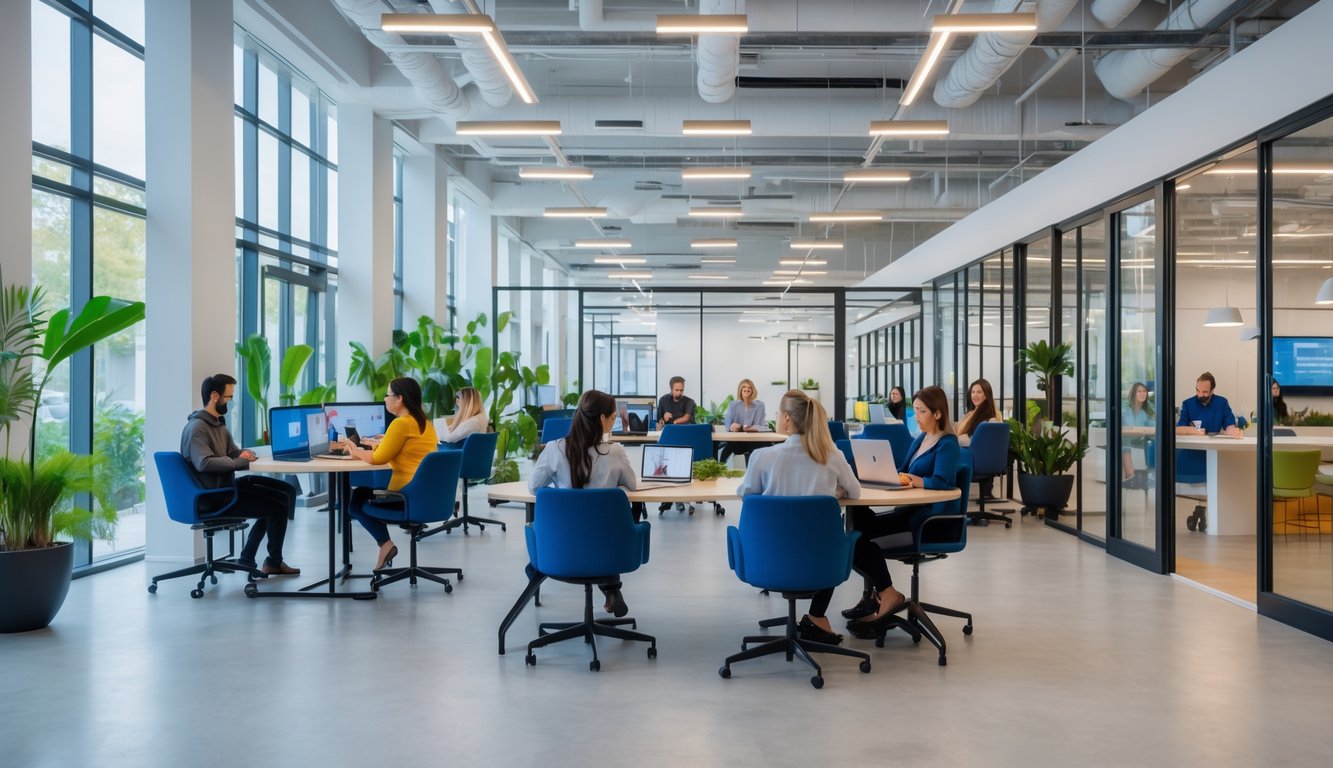
I’ve seen these spaces evolve from trendy alternatives to essential parts of modern work life. Many now blend open areas with private offices and provide better health and safety measures.
Designers create layouts for comfort and productivity. Some spaces also focus on sustainability to meet environmental expectations.
Coworking spaces have become more than just shared offices. They serve as hubs for collaboration and networking, offering tools and an atmosphere that help people work smarter and connect with others.
The Evolution of Coworking Spaces Post-Pandemic
Coworking spaces have shifted from being niche options to becoming a core part of how many people work. They balance flexibility, technology, and location variety to meet the needs of companies and individual workers.
Changing Roles of Coworking Spaces
When I first used shared workspaces, they mostly attracted freelancers and small startups. Now, large companies rent space for entire teams.
Businesses want flexible work arrangements without long leases. Many coworking operators offer private offices, meeting rooms, and hybrid work solutions that blend remote and in-person needs.
I’ve noticed more focus on health and productivity. Some spaces improved ventilation, added touchless entry, and created quiet zones.
These updates help workers feel safe and focused. Spaces also host networking events, training sessions, and wellness programs.
These activities make it easier for people to connect and collaborate.
Growth in Demand for Flexible Work
The pandemic showed me that work doesn’t need to happen in one fixed location. Many companies learned this too, which led to more demand for flexible work setups.
Coworking spaces now support hybrid work models where employees split time between home and the office. Businesses turn to shared workspaces instead of traditional leases because of this flexibility.
I’ve seen more membership options. Some plans let you pay only for the days you need a desk.
Others give unlimited access to multiple locations, which helps people who travel or work across cities. This flexibility helps companies save money and gives employees more control over their schedules.
Expansion Beyond Urban Centers
Before 2020, I found most coworking spaces in city centers. Now, more locations are opening in suburbs and smaller towns.
Many people moved away from big cities during the pandemic but still wanted professional work environments. Operators responded by opening spaces closer to where people live.
Some companies use suburban shared workspaces as satellite offices. This reduces commute times and supports local economies.
These smaller hubs can help attract and keep talent who prefer not to commute daily. Having coworking options outside major cities means I can work in a professional setting without spending hours in traffic.
Hybrid Work Models and Remote Work
Flexible schedules and shared spaces have changed how people approach their jobs. Companies rethink office use, and workers pick setups that fit their daily needs.
Rise of Hybrid Work
I see more companies using hybrid work models that mix in-office days with remote work. This approach became common after the pandemic, as both employers and employees saw the benefits.
Hybrid setups let people work from home for quiet focus and come into the office for teamwork. Many businesses use coworking spaces to give staff a professional setting without long-term leases.
Some firms schedule fixed office days, while others allow employees to choose. This flexibility helps attract and keep talent and also reduces the cost of maintaining large office spaces.
Hybrid work balances structure and freedom, making it easier to manage both personal and professional responsibilities.
Supporting Remote Workers
When people work away from the office, they need the right tools and support. I’ve found that reliable internet, secure access to company systems, and clear communication channels are essential.
Coworking spaces often provide high-speed connections, meeting rooms, and quiet areas. Many also offer networking events, which help remote workers feel connected.
Companies that invest in training for remote collaboration tools see better results. Platforms for video calls, shared documents, and project tracking make it easier for teams to stay aligned.
Coworking environments give remote workers a sense of community, which can reduce isolation. This helps maintain productivity and morale.
Balancing In-Office and Remote Collaboration
It can be tricky to keep collaboration strong when some people are in the office and others are remote. Planning is key.
Teams need to set clear meeting schedules and use tools that allow equal participation. Hybrid-friendly offices use layouts that support both in-person and virtual discussions.
For example, conference rooms with large screens and good microphones make it easy for remote workers to join in. Some managers rotate in-office attendance so everyone gets face-to-face time with colleagues.
Others hold certain events, like brainstorming sessions, on days when most people are present. By using coworking spaces for group work and remote setups for individual tasks, I keep projects moving smoothly while giving everyone flexibility.
Design and Amenities in Modern Coworking Spaces
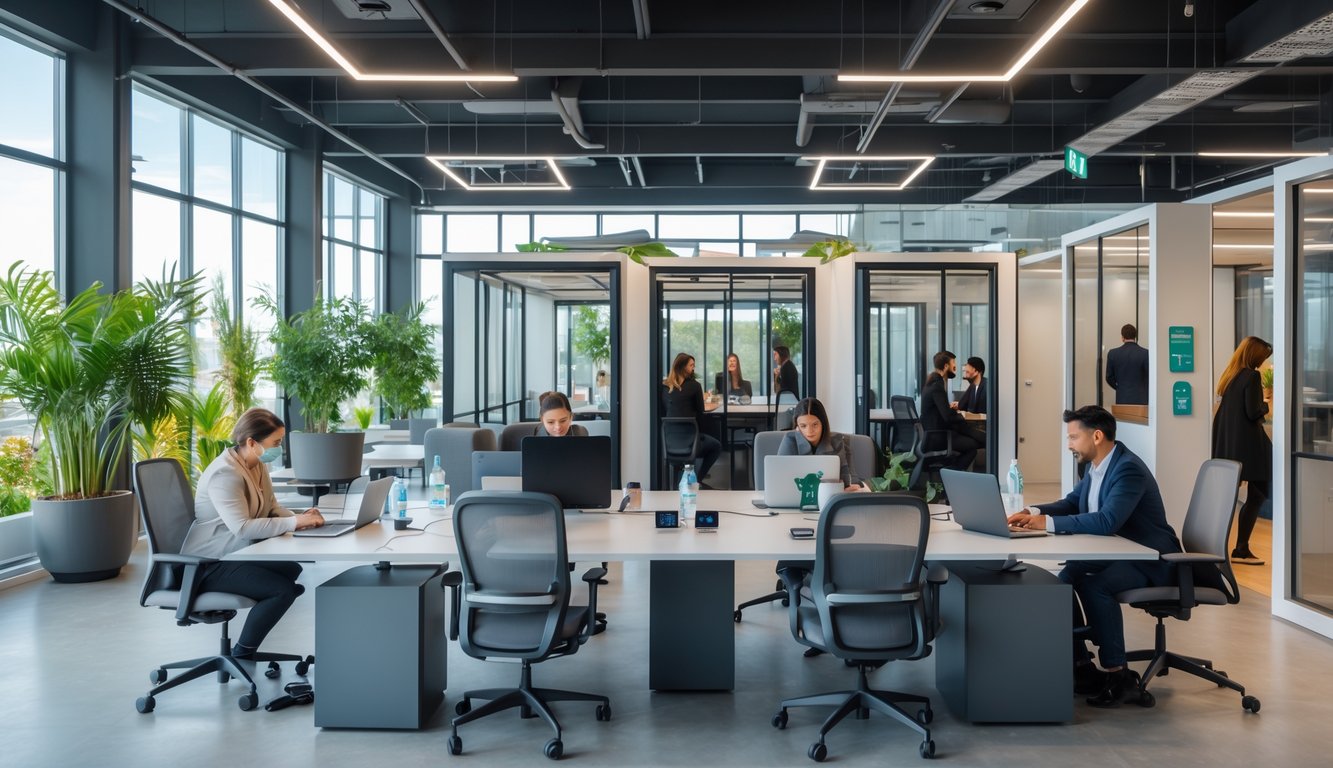
I look for work environments that balance comfort, functionality, and style. The best spaces help me focus, collaborate, and access the tools I need without wasting time.
Flexible Workspace Layouts
I like when a coworking space offers different seating and work zone options. Open desk areas give me room to interact, while quiet zones help me concentrate.
Many modern coworking spaces use movable furniture and modular walls. This makes it easy to switch between individual work, small group huddles, and large team sessions.
Some include hot desks, dedicated desks, and private offices in the same building. I can choose the setup that matches my workload for the day.
Spaces with natural light, plants, and ergonomic chairs help me stay productive longer. Layouts with clear walking paths and well-placed communal areas also reduce distractions.
Premium Amenities and Meeting Rooms
I value coworking spaces that invest in quality meeting rooms. A good room has reliable video conferencing tools, soundproofing, and comfortable seating.
Many locations now offer on-demand booking systems so I can reserve a meeting space through an app. This saves me time and avoids scheduling conflicts.
Beyond meeting rooms, premium amenities can include:
| Amenity | Why It Matters |
|---|---|
| High-speed Wi-Fi | Keeps my work smooth and uninterrupted |
| Coffee and tea stations | Gives me quick energy boosts |
| Printing/scanning | Saves trips outside the office |
| Wellness rooms | Offers a quiet break from screens |
Some spaces add fitness areas or outdoor terraces to improve well-being.
Customizable Team Spaces
When I work with a team, I need a space that adapts to our workflow. Customizable team areas let us rearrange desks, add whiteboards, or set up extra monitors.
Some coworking operators allow branded wall art, private storage, and personalized lighting. This makes the space feel like our own without a long-term lease.
I’ve seen team rooms equipped with smart tech like app-controlled access, climate control, and project display screens. These features help us work efficiently and keep sensitive work secure.
In shared workspaces, having a dedicated team zone also reduces noise distractions and keeps our group connected throughout the day.
Health, Safety, and Wellbeing in Shared Workspaces
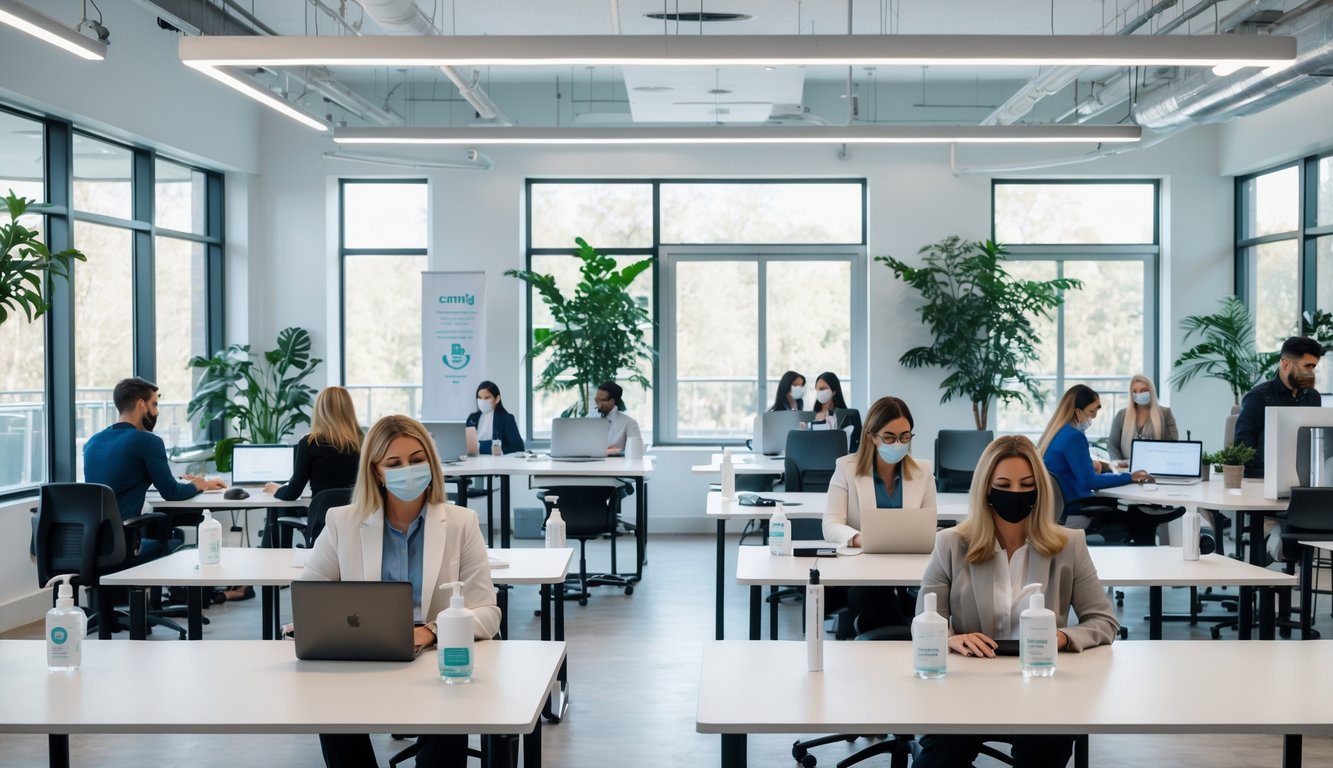
I pay close attention to how shared workspaces handle health, safety, and comfort. Cleaning, mental health support, and safe interactions all shape my experience and productivity.
Enhanced Cleaning Protocols
Many coworking spaces now follow daily deep cleaning schedules. Staff disinfect high-touch surfaces like door handles, desks, and shared equipment several times a day.
Some spaces use HEPA air filtration systems or air purifiers to improve indoor air quality. I find this helpful during flu season or when allergens are high.
Many providers post cleaning logs in restrooms and kitchens so I can see when the last sanitation took place. This transparency makes me feel more at ease.
In some locations, I’ve seen contactless check-in systems and touch-free dispensers for soap and sanitizer. These changes reduce unnecessary contact points.
| Cleaning Measure | Frequency | Benefit |
|---|---|---|
| Disinfecting high-touch areas | Multiple times/day | Reduces spread of germs |
| HEPA air filtration | Continuous | Improves air quality |
| Cleaning logs | Daily updates | Builds trust and accountability |
Wellness and Mental Health Support
I appreciate when coworking spaces offer quiet rooms or meditation areas. These spaces give me a break from noise and help me reset during busy days.
Some spaces host wellness workshops on topics like stress management, nutrition, or ergonomics. I find these sessions practical because they offer easy ways to improve my work-life balance.
Ergonomic furniture, like adjustable chairs and sit-stand desks, reduces strain on my body. When these options are available, I can work longer without discomfort.
A few spaces provide on-site counseling or partner with mental health professionals. Having these resources nearby makes it easier for me to seek help when needed.
Safe Community Interaction
I enjoy connecting with others, but I also value safety. Many coworking spaces design layouts that space out desks and limit crowding in meeting rooms.
Events often have smaller group sizes or hybrid formats. This flexibility helps me choose what feels safest.
Clear signage and one-way walking paths in busy areas reduce close contact. I’ve seen outdoor meeting spaces become more common, which allows for fresh air and easier distancing.
Some spaces use reservation systems for shared amenities like kitchens or conference rooms. This keeps usage organized and prevents overcrowding.
Community Building and Networking Opportunities

I’ve seen how shared workspaces help people connect in ways that working from home can’t. From planned events to casual conversations, these spaces create real chances to meet others and share ideas.
These connections can build relationships that lead to new projects or business growth.
Networking Events for Professionals
In my experience, networking events are one of the most valuable parts of coworking spaces. Many locations host regular meetups, workshops, or guest speaker sessions where I can meet people from different industries.
Some spaces offer industry-specific mixers. For example, a tech-focused coworking hub might organize coding nights or startup pitch events.
These gatherings give me a reason to step away from my desk and talk to people face-to-face. I’ve noticed that these events often include structured activities like speed networking or roundtable discussions.
This makes it easier to start conversations without feeling awkward. Places like Coalition Space show how these events help members form lasting professional relationships.
I also appreciate when spaces provide online event calendars. This lets me plan ahead and choose events that fit my goals.
Fostering Collaboration and Partnerships
Coworking spaces encourage collaborative environments. I’ve met people whose skills complement mine, which has led to joint projects and new business opportunities.
Some spaces set up community boards—both physical and digital—where members can post project needs or partnership ideas. This makes it simple to find someone who can help with a specific task.
I’ve worked in spaces that use dedicated “collaboration zones.” These are open areas designed for group brainstorming or informal meetings.
According to Coworking Spaces Worldwide, this setup helps members feel more connected and willing to share resources.
Even casual chats in common areas can lead to partnerships. I’ve learned that being present and open to conversation is key.
Support for Freelancers and Entrepreneurs
As a freelancer, I value the support systems coworking spaces provide. Many offer mentorship programs, business workshops, and access to professional networks.
Some coworking hubs provide discounted services like legal advice, accounting help, or marketing consultations. This is especially useful for small business owners who don’t have in-house teams.
Joining a coworking community gives me accountability. Seeing other motivated people around me helps me stay focused.
Spaces like Thrive Workplace emphasize this mix of flexibility, cost-efficiency, and community support for modern workers.
Sustainability and Eco-Friendly Practices in Coworking

I’ve noticed that successful coworking spaces focus on reducing waste, saving energy, and using healthier building materials. These changes lower environmental impact and create a more comfortable place to work.
Green Design and Materials
When I walk into a green coworking space, I can feel the difference. Natural light, plants, and non-toxic finishes make the air cleaner and the space more inviting.
Many spaces use sustainable materials like reclaimed wood, recycled metal, and low-VOC paints. These choices cut down on harmful emissions and extend the life of the workspace.
Some follow biophilic design principles, bringing nature indoors with living walls or indoor gardens. This approach improves mood and focus.
I’ve seen spaces choose furniture made from bamboo or other renewable resources. This reduces reliance on plastics and adds a natural look.
For more examples, you can look at how eco-friendly coworking spaces integrate sustainable building choices into their design.
Energy-Efficient Operations
Energy use is one of the biggest environmental costs of any workspace. Coworking spaces can cut this down with simple changes.
LED lighting is a common upgrade because it uses less electricity and lasts longer than traditional bulbs. Smart lighting systems that turn off when no one is in the room save even more.
Many spaces install energy-efficient HVAC systems. These systems regulate temperature more precisely and keep members comfortable.
Some coworking spaces use renewable energy sources like rooftop solar panels. This can offset a large portion of their power needs.
I’ve seen buildings designed to reach net-zero energy goals, as highlighted in sustainable coworking trends.
Promoting Sustainable Work Habits
Even with the best design, a space stays sustainable only when its members build good habits. I appreciate when coworking spaces help people make greener choices.
Coworking spaces often place recycling and compost stations in visible, convenient spots. This setup encourages people to sort waste properly without extra effort.
Some spaces provide bike storage and showers to support cycling to work. Others pick locations near public transit to help reduce car use.
Community boards sometimes share tips on reducing paper use and saving energy. They also highlight local eco-friendly businesses.