I’ve watched work change over the last few years. The old “five days in the office” routine is no longer the standard.
Hybrid work models let you split time between home, the office, and flexible spaces. You get more control over where and how you work.
This shift is more than just about convenience. It’s changing how companies view productivity, teamwork, and office space.
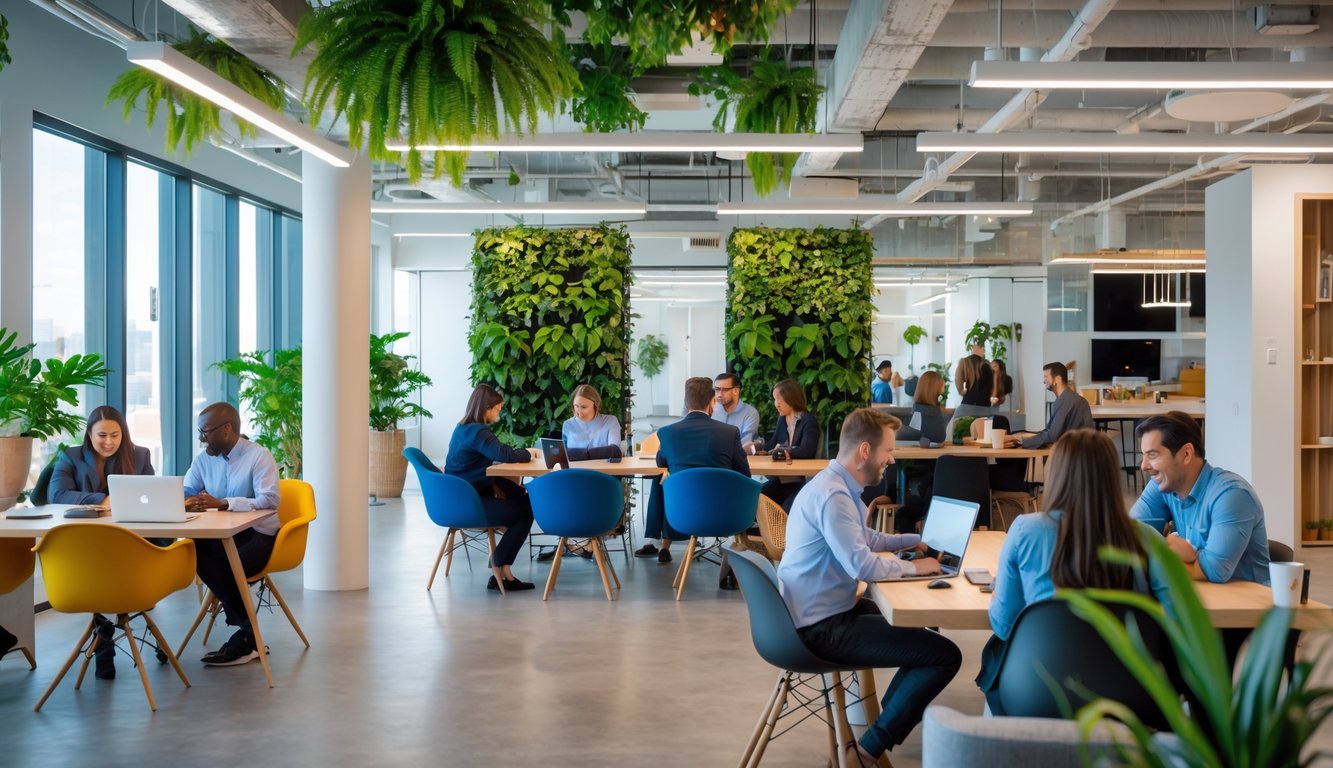
Coworking spaces have responded to this change in a big way. They offer the structure and resources of a traditional office, but with flexibility for a hybrid schedule.
Many professionals use coworking spaces when they need a quiet place to focus or access to meeting rooms. These spaces also give people a chance to connect with others.
As more people adopt hybrid work, coworking spaces have become an important part of the workweek.
I’ll explain how hybrid models work and why coworking spaces fit so well into them. I’ll also highlight what makes these spaces worth considering.
Understanding Hybrid Work Models
More companies now blend remote and in-office work. This approach gives employees flexibility while keeping collaboration strong.
This change affects how people use workspaces, how teams communicate, and how businesses plan for the future of work.
Defining Hybrid Work
A hybrid work model lets employees split time between remote and in-office work. The balance depends on company policies and job roles.
Hybrid work offers flexible work arrangements. People can choose where they feel most productive.
Some prefer quiet home offices, while others like shared spaces. Coworking spaces provide professional amenities without requiring a permanent office.
Many businesses now use coworking as a cost-effective option for teams that don’t need to be in the same place every day.
Hybrid work adapts to different needs, industries, and work styles. It’s not one-size-fits-all.
Key Types of Hybrid Work Arrangements
Here are several common structures for hybrid work:
| Type | Description |
|---|---|
| Fixed Schedule | Set days for in-office work and set days for remote work. |
| Flexible Schedule | Employees choose when to come in, within certain guidelines. |
| Split Teams | Some roles are fully remote, others fully in-office. |
| Occasional Office Use | Office visits only for meetings or special projects. |
In a fixed schedule model, everyone knows exactly when they will be in the office. This helps with planning but reduces flexibility.
A flexible schedule gives more freedom but requires strong communication to keep teams aligned.
Split teams work when certain tasks require in-person collaboration while others can be done remotely.
Occasional office use fits companies that rely on remote work but still value face-to-face time.
Evolution from Traditional Office to Hybrid Work
Most jobs used to require being in the office five days a week. The pandemic accelerated remote work and showed that many tasks don’t need a fixed location.
Now, companies combine the benefits of remote and in-office work with hybrid models. This supports flexible work and keeps opportunities for in-person connection.
Coworking spaces play a role in this shift. Remote workers can access professional environments without a full office lease.
Businesses save costs while still providing places for collaboration.
The Role of Coworking Spaces in Hybrid Work
Flexible work setups make it easier to balance tasks between home, the office, and other locations. Coworking spaces bridge the gap by offering professional amenities and reliable infrastructure.
These spaces give people a place to collaborate without the need for a full-time office lease.
What Are Coworking Spaces?
A coworking space is a shared office where individuals and teams can rent desks, private offices, or meeting rooms.
Most offer membership options ranging from daily passes to monthly plans. This makes it easy to choose what fits your schedule and budget.
Amenities often include high-speed internet, printing, mail handling for a virtual office, and kitchen facilities. Some spaces also have quiet zones for focused work.
Here are common features:
| Feature | Purpose |
|---|---|
| Hot desks | Flexible seating for short-term use |
| Private offices | Enclosed spaces for teams or individuals |
| Meeting rooms | Bookable spaces for client calls or group work |
| Event areas | Spaces for workshops or networking events |
These setups give a professional environment without the overhead of a traditional office.
Coworking Spaces as a Solution for Hybrid Teams
Hybrid teams often split time between remote work and in-person collaboration. Coworking spaces meet this need by providing a neutral, well-equipped location.
I use coworking spaces for team meetings when we need to brainstorm or review projects in person. Many offer dedicated meeting rooms with screens, whiteboards, and video conferencing tools.
Flexibility is key. If my team’s in-office days change, I can adjust our coworking bookings without long-term commitments.
Some spaces provide 24/7 access, which helps when working across different time zones. This is practical for companies with distributed teams.
Blending Remote, In-Office, and Coworking Environments
Combining home, office, and coworking environments gives me the best of all worlds.
At home, I focus on deep work without distractions. In a traditional office, I connect with colleagues and access company resources.
A coworking space adds a third option with professional amenities and networking opportunities.
Many hybrid workers use coworking spaces when they need a change of scenery or access to tools not available at home. Some companies offer stipends so employees can choose a local coworking space instead of commuting.
This blended approach supports productivity, reduces travel time, and helps maintain a healthy work-life balance. It also makes it easy to adapt when schedules or locations change.
Benefits of Hybrid Work Models and Coworking Spaces

Combining hybrid work with coworking spaces makes day-to-day work smoother and more enjoyable. It helps me manage my time, connect with others, and stay focused without burnout.
Flexibility and Work-Life Balance
The biggest change for me is the freedom to choose where and when I work. Some days I work from home to handle personal tasks between meetings.
Other days, I go to a coworking space to focus without distractions.
This flexibility lets me plan my week around both work and life. I can attend a midday appointment and finish tasks later without feeling rushed.
Coworking spaces give me access to professional amenities like meeting rooms, high-speed internet, and quiet zones.
This balance reduces stress and helps me stay productive without giving up personal time.
Enhanced Collaboration and Innovation
Working in a coworking space puts me around people from different industries. This mix often sparks new ideas.
It’s easy to start conversations in shared kitchens or lounge areas. These small interactions can lead to valuable feedback or partnerships.
Hybrid work lets me choose when I want this interaction. If I need collaboration, I go to a coworking hub. If I need quiet, I stay remote.
Some spaces build community through events and workshops. For example, coworking spaces adapting to hybrid work often host networking sessions that help me meet like-minded professionals.
Productivity and Employee Satisfaction
Separating home and work environments boosts my focus. At home, I might get distracted by chores.
In a coworking space, I’m in a setting designed for getting things done. The professional atmosphere and fewer interruptions help me complete tasks faster.
I can also use dedicated areas for calls or deep work. Hybrid work improves my job satisfaction.
I feel trusted to manage my own schedule, which makes me more motivated.
Companies also benefit. Coworking spaces for hybrid teams make it easy to scale space up or down, so resources are used efficiently.
Cost Efficiency and Scalability

Hybrid work makes it easier for me to control expenses while still having access to the right kind of workspace. Flexible options also mean I can adjust my setup as my needs change, without being locked into long-term commitments.
Reducing Overhead with Flexible Office Space
When I looked at traditional office leases, the long contracts and high upfront costs felt risky. With coworking spaces, I pay only for the desks or rooms I actually use.
Many locations offer monthly memberships instead of multi-year agreements. This lets me avoid paying for unused space during slower months.
I also save on utilities, cleaning services, and office equipment. The membership fee usually covers these, so I don’t have to manage separate bills.
Here’s a quick comparison from my experience:
| Expense Type | Traditional Office | Coworking Space |
|---|---|---|
| Lease Commitment | 3–5 years | Monthly/Quarterly |
| Utilities | Paid separately | Included |
| Furniture/Setup | Buy upfront | Provided |
By avoiding large fixed costs, I can put more money into my work, like hiring help or upgrading my tools.
Scalable Workspace Solutions for Growing Teams
When my projects expand, I add desks or private rooms as I bring in new team members. Scalable workspaces make this easy.
Coworking providers often have multiple locations. I use this to give remote workers access to a space near them.
This flexibility supports freelancers, contractors, and full-time staff. I don’t have to force everyone into one central office.
If a client project ends and my team size shrinks, I scale back just as quickly. I avoid paying for empty offices.
Some coworking spaces offer day passes or part-time memberships. I bring in extra help for short-term work without committing to extra permanent space.
Key Features and Amenities of Modern Coworking Spaces
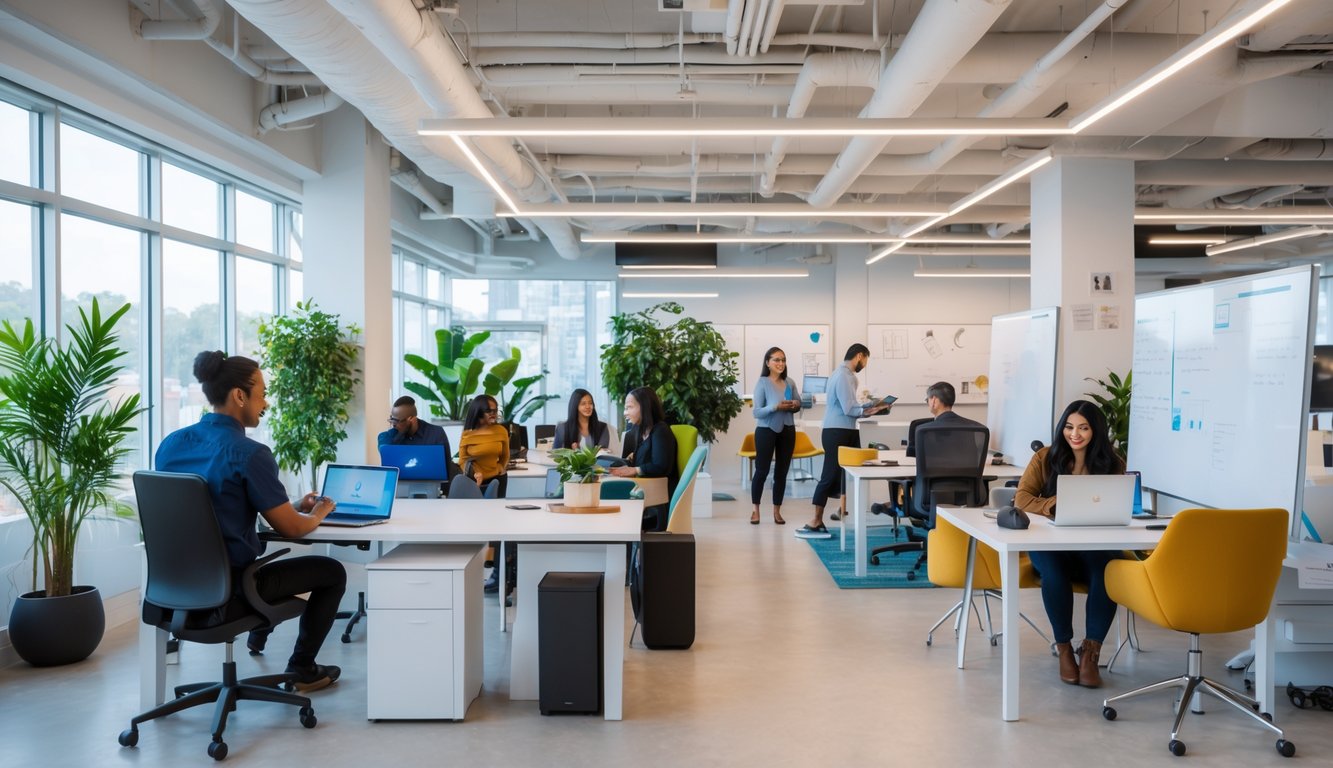
When I choose a coworking space, I look for tools and features that make my workday smoother. Reliable technology, comfortable furniture, and ways to connect with others all matter.
Technology Infrastructure and High-Speed Internet
I depend on strong technology infrastructure to work without interruptions. I need a fast and stable high-speed internet connection for video calls, large file uploads, and cloud tools.
Many spaces provide secure Wi-Fi networks with encrypted access. This protects my data when I work on sensitive projects.
I often use meeting rooms with screens for presentations and video calls. Some coworking spaces include podcast studios or phone booths for private calls, making it easier to handle different types of work.
Here’s what I check before joining:
| Feature | Why It Matters |
|---|---|
| High-speed internet | Smooth video calls and quick file sharing |
| Secure networks | Protects sensitive information |
| Meeting rooms | Professional client and team meetings |
| Tech support | Quick fixes when something breaks |
Spaces with these features help me work efficiently.
Ergonomic Furniture and Wellness
I spend hours at my desk, so ergonomic furniture is a must. An adjustable chair and a desk at the right height help me avoid back and neck pain.
Some coworking spaces have standing desks and monitor arms. I switch positions during the day to stay comfortable and focused.
Wellness amenities matter too. I like having a small fitness area, a relaxation lounge, or healthy snack options.
Good lighting, quiet zones, and indoor plants also improve the work environment.
Community and Networking Opportunities
I choose coworking over working from home because of the community. Being around other professionals gives me motivation and connection.
Many spaces host networking events, workshops, or casual meetups. These give me a chance to share ideas, find collaborators, and discover new clients.
I’ve met people from different industries by chatting in the kitchen or during coffee breaks. That kind of spontaneous connection is harder to find when I work remotely.
Some coworking spaces have online member platforms. I connect with others even if we’re not in the office at the same time.
Building Company Culture and Communication in Hybrid Environments

I create an environment where people feel connected, supported, and informed no matter where they work. I use intentional strategies to strengthen relationships and keep communication clear.
Fostering Company Culture Across Locations
I make sure our company values show up in daily work, not just in documents. I recognize achievements, celebrate milestones, and encourage open feedback.
When teams split between home and office, I rely on regular check-ins and shared rituals. We start meetings with quick personal updates to keep human connection alive.
I use digital spaces for casual interaction. A dedicated chat channel for non-work topics helps me replicate spontaneous office conversations.
To keep everyone aligned, I clearly link our goals to the bigger mission.
Team-Building Activities and Mentorship
I plan activities that work for both in-person and remote staff. Virtual trivia games, online workshops, and hybrid coffee chats help people connect beyond their job roles.
For mentorship, I match experienced employees with newer ones and set up regular one-on-one sessions. These happen over video conferencing or in person, depending on location.
Group mentorship circles help people share skills and build trust. They also help newer employees feel part of a larger team.
I track participation and feedback to see which activities have the most impact. This helps me strengthen relationships and engagement.
Clear Communication and Collaboration Tools
I use a mix of tools to keep communication smooth. I prefer video conferencing for complex discussions, while I rely on instant messaging for quick updates.
For brainstorming sessions, I use shared whiteboard apps. This approach lets everyone contribute ideas in real time.
I set clear guidelines for which tools to use. For example:
- Email for formal updates
- Chat for quick questions
- Project boards for task tracking
This structure prevents confusion. Everyone knows where to find information, much like the recommendations for navigating communication in hybrid work environments.