When I opened my first coworking space, I quickly learned that zoning laws could make or break the entire plan. Zoning rules decide whether you can legally operate a coworking space, and ignoring them can lead to fines or even shutdowns.
It’s not just about finding a great location. I also need to make sure the location is legally allowed for the business I want to run.

I’ve seen beautiful spaces sit empty because owners didn’t check the local zoning code before signing a lease. In some areas, coworking spaces fall under “office” use, while in others they have their own category with specific requirements.
If you learn how to navigate zoning laws and permits early, you can save time, money, and stress.
I focus on more than just design and amenities. I look at permits, lease terms, safety codes, and insurance before I commit to a space.
By understanding the rules from the start, I can create a coworking space that’s both welcoming and fully compliant.
Understanding Zoning Laws for Coworking Spaces
I make sure my coworking space follows the right rules for where and how it operates. Zoning laws decide if I can run the space in a certain building, what activities are allowed, and how I can use the property.
These rules affect permits, design, and even my lease terms.
What Are Zoning Laws?
Zoning laws are local rules that control how people use land and buildings. City or county governments set these rules to organize growth and protect property rights.
I think of zoning laws as a map that divides a city into zones like residential, commercial, or industrial. Each zone has its own rules about what types of businesses or activities can happen there.
For a coworking space, zoning laws decide if I can operate in a certain location. If the property isn’t zoned for office or shared workspace use, I may need to apply for a zoning change or special permit.
Some cities also require me to meet building codes, parking requirements, and safety standards as part of zoning approval. If I don’t follow these rules, I risk fines or being shut down.
Types of Zoning Relevant to Coworking Spaces
The most common zoning types that affect coworking spaces include:
| Zoning Type | Impact on Coworking Spaces |
|---|---|
| Commercial | Usually allows office and coworking use. |
| Mixed-Use | Allows a blend of residential, retail, and office. |
| Industrial | May allow coworking if related to light manufacturing or creative work. |
| Special Purpose | May require a unique permit for shared workspaces. |
I often set up coworking spaces in commercial or mixed-use zones because they allow flexible business operations.
Some coworking models, like those with event spaces or retail, may need extra approvals. If I plan to host public events, zoning rules might require more parking or safety measures.
Zoning Classifications and Land Use
Zoning classifications define the official category for a property’s use. For example, a building might be “C-1” for neighborhood commercial or “MU-2” for mixed-use development.
These classifications guide what activities I can run in the space. If my coworking space offers a café, retail pop-ups, or recording studios, I must make sure the classification allows those uses.
Sometimes, I need a conditional use permit to expand beyond the main classification. This process usually involves public hearings and approval from local planning boards.
I also check if the zoning code’s land use definition includes coworking spaces. Some cities treat them as traditional offices, while others have created separate definitions, as shown in this zoning ordinance example.
Local Variations in Zoning Regulations
Zoning laws vary widely by location. What works in one city may not be allowed in another.
Even within the same state, counties and cities can have different rules for coworking spaces. In some places, zoning codes clearly define coworking spaces. In others, I work with local officials to see if my space fits under “office” or “shared workspace” categories.
I always review the local zoning map, read the municipal code, and talk with the planning department before I sign a lease.
Some cities with strong coworking markets, like New York and Washington D.C., have faced unique code and zoning challenges because of high demand and dense urban environments. These challenges can include stricter building codes, fire safety requirements, and accessibility standards.
Securing Legal Compliance and Permits
I make sure my coworking space follows all local rules before I open the doors. I get the right licenses, set up the correct business structure, and meet building and accessibility standards to avoid fines or shutdowns.
Licenses and Permits Required
I start by checking my city’s zoning map to confirm the property can legally operate as a coworking space. If zoning allows it, I apply for a business license from the local authority.
In many areas, I also need a certificate of occupancy to prove the building meets safety standards. Some councils require separate permits for signage, renovations, or food service if I offer a café.
I keep a checklist of common requirements:
| Permit / License | Purpose | Issued By |
|---|---|---|
| Business License | Legal right to operate | Local council |
| Certificate of Occupancy | Confirms building safety | Building department |
| Sign Permit | Approval for exterior signs | Planning department |
I double-check renewal dates so my permits never lapse. Missing one could lead to penalties or even forced closure.
Business Registration and Structure
I register my business with the right government office before I sign any lease. The business structure I choose affects my taxes, liability, and ownership flexibility.
- Sole Proprietorship – Simple to set up but I’m personally liable for debts.
- Limited Liability Company (LLC) – Protects my personal assets and offers flexible tax options.
- Corporation – More complex but may be better for raising capital.
I keep all registration documents in one place. This includes my articles of organization for an LLC or articles of incorporation for a corporation.
If I plan to hire staff, I also apply for an employer identification number (EIN) with the tax authority. This helps me handle payroll and tax filings correctly.
Navigating Building Codes and Accessibility Compliance
I review local building codes to make sure the space meets fire safety, ventilation, and structural rules. This includes having proper exits, working alarms, and safe electrical systems.
For accessibility compliance, I follow standards so people with disabilities can use the space. This can mean installing ramps, wide doorways, and accessible restrooms.
I also meet health and safety regulations by keeping first aid kits, clear emergency routes, and regular equipment inspections. If I renovate, I work with licensed contractors who understand code requirements to avoid costly rework.
For more details on zoning and safety, I use resources like legal requirements for coworking spaces to stay aligned with local laws.
Lease Agreements and Contracts

I make sure I understand the legal terms before I sign anything for a coworking space. This includes knowing how the lease works, what clauses protect me, and how membership agreements affect my rights and costs.
Negotiating Lease Agreements
When I negotiate a lease agreement for a coworking space, I focus on flexibility. I want clear terms on how long I’m committed and what happens if I need to end the agreement early.
I also check if the rent includes utilities, internet, and shared amenities. Some agreements bundle these costs, while others charge separately.
If I’m subleasing space from another tenant, I confirm that the landlord allows it. Many coworking spaces operate under special arrangements, so I need to make sure the zoning and subleasing rights are in place.
I review examples like those in coworking lease agreement guides to spot missing terms.
I try to negotiate renewal options. This gives me the right to extend my stay without losing my spot or facing a steep rent increase.
Key Clauses for Coworking Spaces
Some clauses in a coworking lease or contract can protect me from unexpected problems.
I always look for:
- Use of space – defines what activities are allowed.
- Access hours – states when I can enter the building.
- Maintenance responsibilities – explains who fixes what.
- Insurance requirements – tells me what coverage I must carry.
I also check liability clauses. These explain who is responsible if equipment breaks or someone gets injured.
In many coworking setups, the operator limits their liability, so I might need my own insurance.
If the agreement includes shared resources like printers or meeting rooms, I want the rules in writing. That way, I avoid disputes later.
Legal tips from sites like Spacebring help me prepare questions before I sign.
Membership Agreements and Terms
Membership agreements work differently from traditional leases. They are usually shorter, more flexible, and easier to end.
They often include access to shared areas, Wi-Fi, and community events. But I still read the terms carefully.
Some memberships auto-renew, and I need to give notice before canceling. These agreements also set behavior rules, such as noise levels and guest policies.
If I break them, the operator can end my membership without refunding unused time.
Even though a membership agreement is not a formal lease, it’s still a binding contract. Guides like the coworking rental contract overview help me understand my obligations.
Health, Safety, and Accessibility Standards

I make sure coworking spaces follow clear safety regulations so everyone can work without unnecessary risks. I meet fire safety rules, ensure the building is accessible for people with disabilities, and keep shared areas clean and healthy for daily use.
Fire Safety and Emergency Protocols
I always check that a coworking space has working fire alarms, sprinkler systems, and clearly marked emergency exits. Building codes require these features to protect people during a fire.
I look for posted evacuation maps on each floor. Staff should guide people out quickly in an emergency.
In some cities, zoning and occupancy rules require regular fire drills for larger facilities. Emergency lighting is another must-have.
If the power goes out, I want to see my way to safety. I check that hallways and stairwells stay clear of storage or furniture that could block escape routes.
Accessibility Requirements
I make sure the space meets ADA accessibility standards so everyone can enter, move around, and use the facilities. This includes ramps or elevators for wheelchair access, wide doorways, and accessible restrooms as outlined in the ADA Standards for Accessible Design.
Workstations should have enough clearance for mobility devices. Meeting rooms need adjustable tables or seating so all members can participate comfortably.
I check for visual and auditory aids like braille signage, tactile floor indicators, and assistive listening systems in event spaces. These features help create an inclusive environment.
Health Standards for Shared Workspaces
I pay attention to ventilation systems and air quality. A good HVAC system helps reduce the spread of airborne illnesses.
In some areas, zoning laws require specific air changes per hour for shared spaces. Cleaning schedules are important too.
High-touch surfaces like desks, doorknobs, and kitchen counters should be disinfected daily. I like to see clear cleaning logs posted in common areas.
Shared kitchens should follow basic food safety rules. This means labeled storage, working refrigerators, and separate bins for waste and recycling.
Keeping these areas tidy helps prevent pests and maintains a professional atmosphere.
Risk Management, Liability, and Insurance

I protect my coworking space from financial loss, legal claims, and unexpected events. I understand my legal responsibilities, choose the right insurance coverage, and take steps to reduce the chances of disputes or accidents.
Liability and Negligence in Coworking Spaces
If someone gets hurt or their property is damaged in my coworking space, I could be liable. This can happen if I fail to maintain safe conditions or if my staff acts negligently.
Negligence means I did not take reasonable steps to prevent harm. For example, ignoring a broken stair railing or not fixing faulty wiring can lead to claims.
To reduce liability, I keep the space clean, well-lit, and free of hazards. I also post clear safety rules and require members to follow them.
I make sure my membership agreements clearly state each party’s responsibilities. This helps set expectations and can limit my exposure in case of an incident.
Insurance Coverage Essentials
The right insurance can protect me from large financial losses. I carry general liability insurance to cover injuries and property damage that happen on-site.
I also have property insurance for my furniture, equipment, and the building if I own it. This covers damage from events like fire, theft, or storms.
For professional services, such as hosting business workshops, I use professional liability insurance. This helps if a client claims my advice caused them financial harm.
Some coworking operators add cyber liability insurance to protect against data breaches. I learned more about these coverage types from resources like coworking space insurance guides.
I review my policies each year to make sure coverage matches my current risks and operations.
Legal Disputes and Risk Mitigation
Legal disputes can arise from contract disagreements, unpaid fees, or claims of negligence. Even a small dispute can be costly if it goes to court.
I use clear contracts that outline payment terms, space usage rules, and termination clauses. Detailed agreements help avoid misunderstandings.
I document incidents with photos and written reports. This evidence can help if a claim is filed.
Working with a lawyer to review my lease and member agreements helps me stay compliant with local laws, such as zoning regulations in Piscataway, and avoid conflicts with property owners or tenants.
Privacy, Data Protection, and Intellectual Property
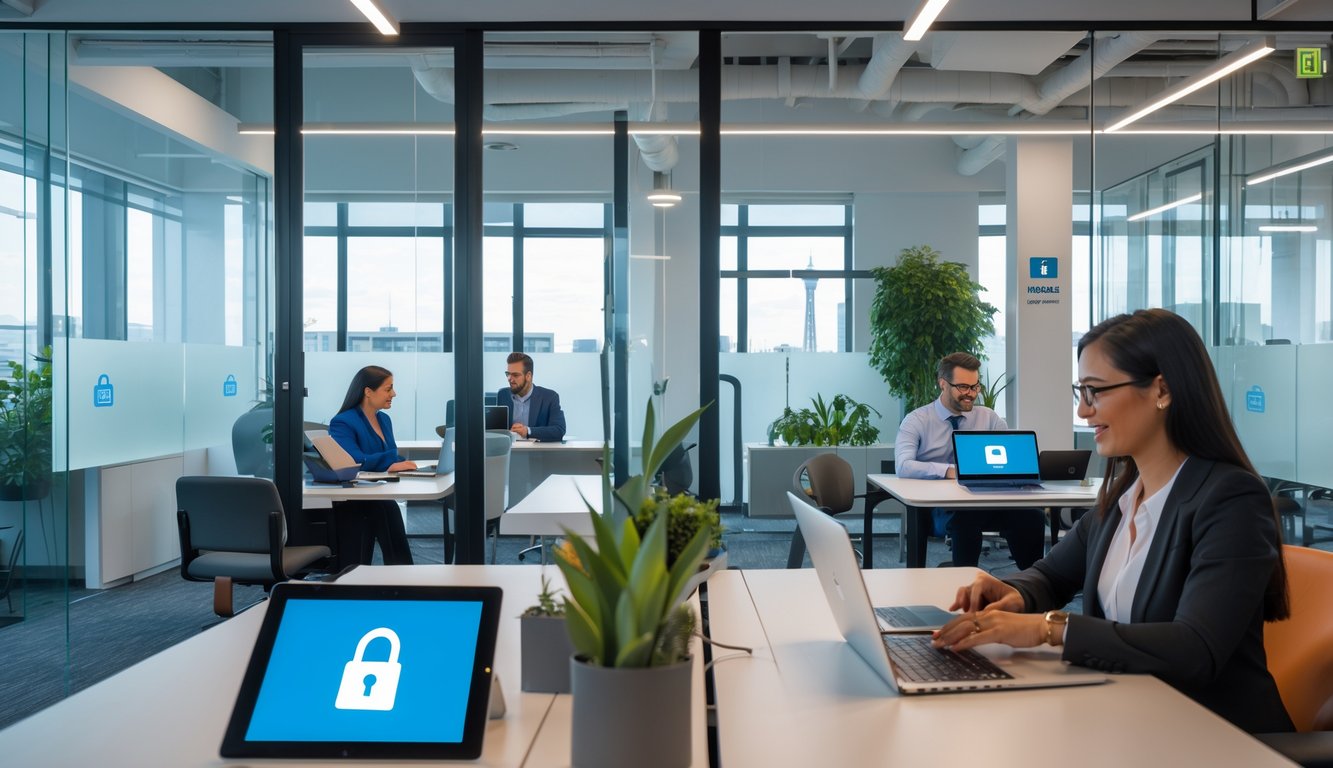
I make sure my coworking space protects member information, follows data laws, and respects ownership of creative work. I handle personal data carefully, meet legal requirements, and put agreements in place to prevent misuse or theft of ideas.
Privacy Laws and Member Data
I collect member data only when necessary, such as for billing or access control. I also explain clearly how I use and store their information.
In my space, I follow privacy laws that apply locally and nationally. These rules set limits on what I can collect and how long I can keep it.
To build trust, I provide a written privacy policy. It includes:
- What data I collect
- Why I collect it
- How I store and protect it
I avoid sharing member data with third parties unless I have permission or it’s required by law. This protects both my members and my business.
Data Protection Compliance: GDPR and CCPA
If I have members from the EU or California, I comply with the GDPR and CCPA. These laws give people rights over their personal data, such as the right to access, correct, or delete it.
Under GDPR, I must get clear consent before collecting personal data. I also have to report certain data breaches within 72 hours.
The CCPA requires me to let California residents opt out of the sale of their personal data. Even if I don’t sell data, I still give them a way to make requests about their information.
I keep a process in place to respond to these requests quickly. I document my compliance steps in case of an audit.
Intellectual Property Rights and NDAs
Many members create original work in my coworking space. This can include designs, software code, or written content.
I respect their intellectual property rights and make sure they keep ownership of their work. When members collaborate, I suggest they sign a non-disclosure agreement (NDA).
This helps prevent others from using or sharing their ideas without permission. I also make sure my membership agreements state that I don’t claim rights to members’ work.
Security Measures for Sensitive Information
I use both physical and digital security to protect sensitive data. For example, I keep server rooms locked and limit keycard access to certain areas.
On the digital side, I use:
- Encrypted storage for files
- Two-factor authentication for logins
- Regular backups to prevent data loss
I train my staff to spot phishing attempts and handle data securely. By combining these measures, I reduce the risk of breaches and keep my members’ trust.
Labor Laws and Employment Considerations

I make sure everyone who works in my coworking space is treated fairly and that I follow all legal requirements. This includes how I hire, pay, and manage staff, as well as how I work with freelancers and handle taxes.
Labor Law Compliance for Staff
If I hire staff, I must follow federal, state, and local labor laws. These laws cover wages, working hours, overtime pay, and benefits.
For example, in Ohio, I check the Bureau of Wage & Hour Administration for rules on minimum wage and overtime. I also provide a safe workplace that meets health and safety standards.
This means following OSHA guidelines and addressing hazards quickly. Clear written employment contracts help avoid disputes.
These contracts should outline job duties, pay rates, schedules, and termination policies. I keep records of hours worked and wages paid to comply with audits or inspections.
If I offer benefits like health insurance or paid time off, I make sure they meet legal requirements and are documented in writing.
Freelancers, Remote Work, and the Gig Economy
Many coworking spaces rely on freelancers or contractors for services like cleaning, marketing, or IT work. I must classify them correctly to avoid legal issues.
Misclassifying a contractor as an employee can lead to fines and back taxes. In the gig economy, flexibility is key, but I still need clear agreements.
I use contracts that define the scope of work, payment terms, and intellectual property rights. When working with remote workers, I check if labor laws in their location affect my obligations.
Some states have stricter rules for payment timelines or expense reimbursements. I also make sure freelancers have the tools they need without creating an employer-employee relationship.
This means they control their own work schedule and methods.
Tax Regulations and Reporting
I’m responsible for following tax regulations for every type of worker I engage. For employees, I withhold income tax, Social Security, and Medicare, and file regular payroll reports.
For independent contractors, I don’t withhold taxes, but I must issue a 1099 form if I pay them $600 or more in a year. I keep accurate payment records and store receipts for business expenses.
This helps during tax season and protects me in case of an audit. If I operate in multiple states, I check each state’s tax rules.
Some states require separate business registrations or tax filings for remote workers.
Environmental and Community Impact

I pay close attention to how coworking spaces affect both the environment and the neighborhoods they serve. I follow local rules that protect natural resources and build trust with nearby residents and businesses.
Environmental Laws for Coworking Spaces
When I set up a coworking space, I make sure it meets local environmental laws. In Queensland, for example, zoning rules may include requirements for waste management, energy efficiency, and green space preservation as part of town planning regulations.
I look for ways to reduce energy use, like installing LED lighting and using smart thermostats. Water-saving fixtures and recycling programs also help meet legal standards while lowering operating costs.
Some areas encourage mixed-use development that supports sustainable growth. This can mean adding bike racks, improving public transport access, or keeping a portion of the property as landscaped open space.
These steps often align with zoning laws that promote environmental health. By following these rules early, I avoid costly changes later and show clients I care about responsible business practices.
Community Relations and Local Partnerships
I’ve learned that strong local connections help a coworking space succeed.
I meet with nearby business owners and community leaders to understand their priorities and concerns.
I form partnerships with local groups to create shared events and cross-promotion.
For example, I host workshops with a nearby nonprofit or offer discounted memberships to local entrepreneurs.
I stay involved in council meetings and planning discussions.
This helps me keep up with zoning information that may affect the space and gives me a voice in shaping community development.